
Interview ·
Smart heating lowers costs, reduces CO₂ emissions, and supports ESG goals. But how can organizations successfully implement it in practice, and what strategic value does automation offer? Michael Niggemann, founder and CEO of enerthing GmbH, and Murat Mutlu, IT portfolio manager at Conneqtive, discuss these topics.
The [technical article "Digitalization Saves Energy"]() clearly demonstrated how smart heating control systems help companies improve efficiency and sustainability.
Now, in this interview, experts answer the most important practical questions on the topic of smart heating.
**More and more companies are looking for ways to reduce energy costs. Why are heating costs an ideal “low-hanging fruit”?**
**Michael Niggemann**: In times of rising energy prices, ambitious ESG targets, and growing demands on space and building performance, companies face the challenge of operating their office and commercial spaces more efficiently. Buildings are often heated regardless of whether and when rooms are in use or whether users actually want the temperature provided. Automation not only creates transparency but also provides new control over energy consumption.
**Murat Mutlu**: This is exactly where our IIoT-based digitalization solutions come in. We connect buildings using LoRaWAN technology to create smart systems. This is done through an “as-a-service” model, which is investment-friendly and has an immediate impact on the bottom line. This creates data transparency throughout the entire building. As a result, heating systems can be controlled in a targeted and demand-oriented manner.

Dr. Michael Niggemann - enerthing

Murat Mutlu - Conneqtive
**Where does the strategic value of automation and remote control lie?**
**Murat Mutlu: **Those who digitize can make decisions based on data. This data opens up new possibilities for control and optimization. Controlling and management gain greater flexibility through increased transparency.
In addition, the systems provide audit-ready data. Compliance risks are reduced, and it becomes easier to provide evidence to regulatory authorities. Data transparency supports energy accounting and improves reporting in the sustainability report.
**What success stories regarding the use of maintenance-free LoRaWAN sensors can your customers benefit from**? **Michael Niggemann: **Telekom owns a large number of office and technical properties. In over 100 of its buildings, covering a total area of 1.1 million square meters, Telekom relies on maintenance-free LoRaWAN sensors from enerthing. In total, over 8,000 enerthing sensors are in use there to collect valuable information on indoor climate and space utilization. With this setup, Telekom was able to save between 20% and 30% in energy costs through intelligent building control, depending on the location. In logistics as well, enerSENSE Industry sensors reliably deliver data—even at low temperatures of up to minus 20 degrees. Over 90 logistics sites of the Nagel Group are equipped with approximately 2,000 sensors for temperature monitoring and documentation. Here, too, the additional measurement points serve to optimize operations and reduce energy consumption. If temperatures fall below thresholds, an automated alert system helps prevent potential damage.
**What success stories regarding the use of maintenance-free LoRaWAN sensors can your customers benefit from**? **Michael Niggemann: **Telekom owns a large number of office and technical properties. In over 100 of its buildings, covering a total area of 1.1 million square meters, Telekom relies on maintenance-free LoRaWAN sensors from enerthing. In total, over 8,000 enerthing sensors are in use there to collect valuable information on indoor climate and space utilization. With this setup, Telekom was able to save between 20% and 30% in energy costs through intelligent building control, depending on the location. In logistics as well, enerSENSE Industry sensors reliably deliver data—even at low temperatures of up to minus 20 degrees. Over 90 logistics sites of the Nagel Group are equipped with approximately 2,000 sensors for temperature monitoring and documentation. Here, too, the additional measurement points serve to optimize operations and reduce energy consumption. If temperatures fall below thresholds, an automated alert system helps prevent potential damage.
Talk to our experts to find out exactly how you can save money with Smart Heating.
Contact us nowYou can find more information on smart buildings here:


Case Study
Smart Heating
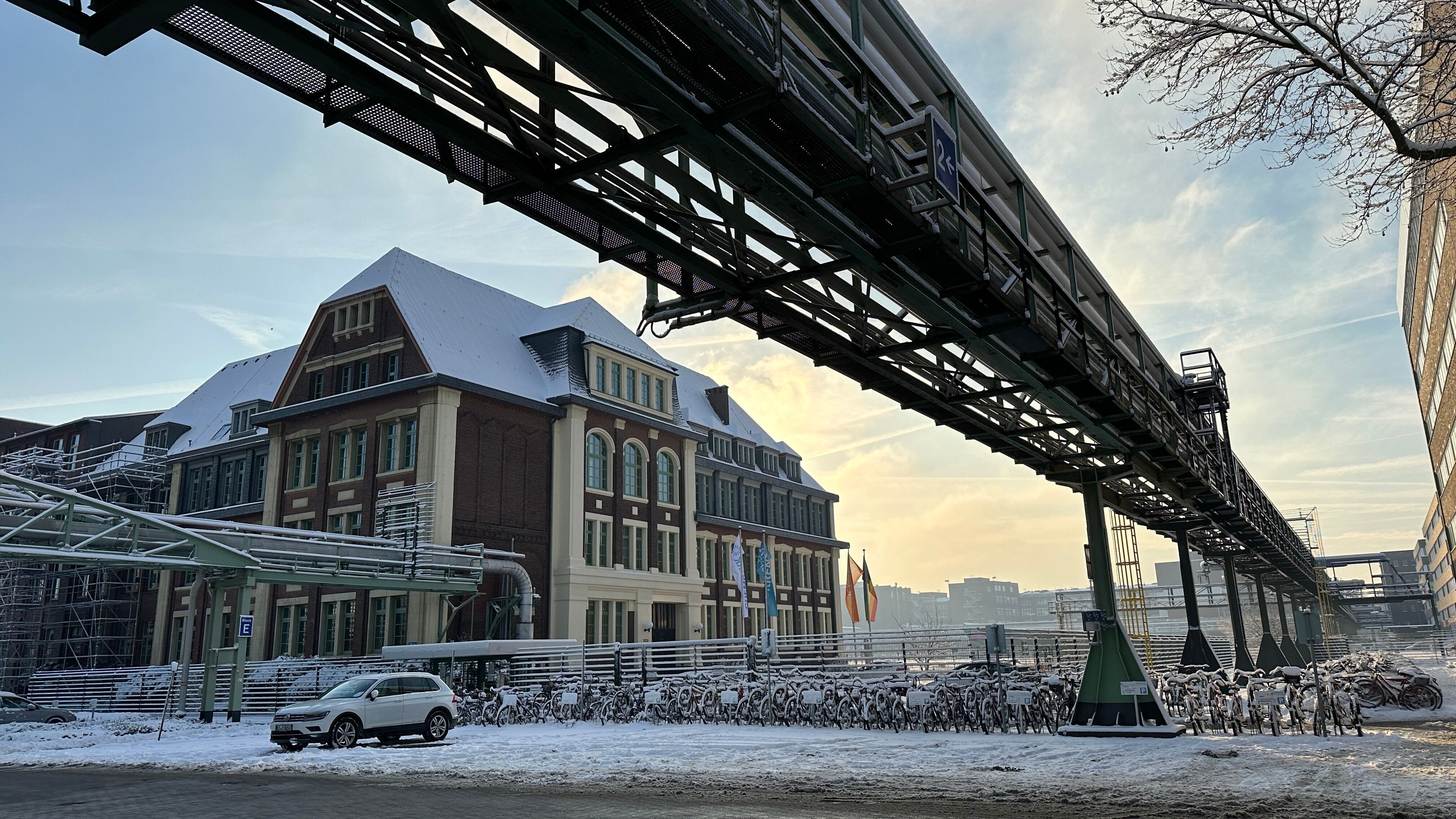
How CURRENTA is reducing its energy consumption by up to 30% through smart monitoring and smart retrofitted heating systems.


IoT Knowledge
Data Visualization
Visualization transforms IoT data into information that supports decision-making—in a way that is easy to understand, tangible, and immediately actionable.