
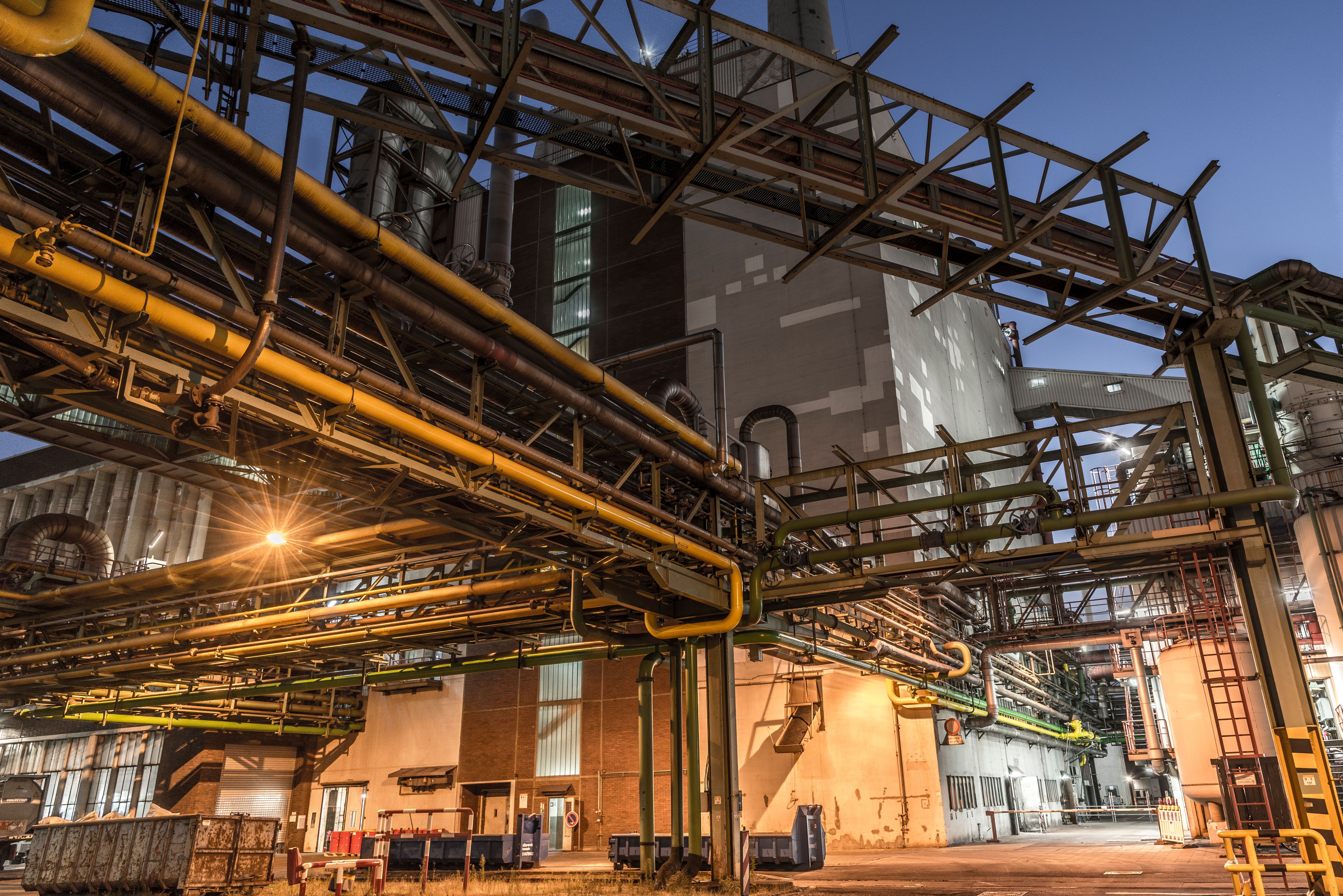

Challenge
No detailed consumption data at the facility or machine level
It was not possible to analyze energy consumption in detail — reactive power, idle consumption, and peak loads went undetected.
Manual data entry was time-consuming and prone to errors
Energy meters had to be read in the control cabinet — a process that was labor-intensive and resulted in inconsistent data quality.
ESG pressure and rising costs without a data foundation
Neither production control nor management accounting had access to up-to-date consumption data — makes it impossible to carry out a meaningful optimization.
Solution
Digital measurement data all the way to the machine. Greater efficiency, transparency and CO₂ savings at CHEMPARK.
Retrofitting using flip-top sensor technology with smart Conneqtive energy meters
These were installed without any system modifications — battery-free, maintenance-free and retrofit-compatible.
Wireless data transmission via LoRaWAN
The sensors transmit the measured values via radio — even from control cabinets or remote locations. Installation takes only a few minutes per sensor.
Dashboard
All energy data is visualized and analyzed in real time on the central cloud dashboard and made available for reporting or alerts. The sensors provide a reliable basis for decision-making regarding energy optimization, production and sustainability (ESG).