Industrial IoT solutions help companies make processes more transparent, equipment more reliable, and decisions more data-driven. They combine sensor technology, data processing, and specific operational use cases into a solution that delivers measurable benefits. Unlike purely infrastructure-related issues, the focus here is not on the technical foundation, but rather on the specific problem to be solved.
In industrial companies, IoT initiatives usually arise from a clear need: to better monitor aging equipment, reduce energy consumption, control environmental parameters, or detect downtime earlier. The question, therefore, is not only what is technically possible, but which IoT solution will deliver the greatest benefit in the specific operation.
What Sets Industrial IoT Solutions Apart
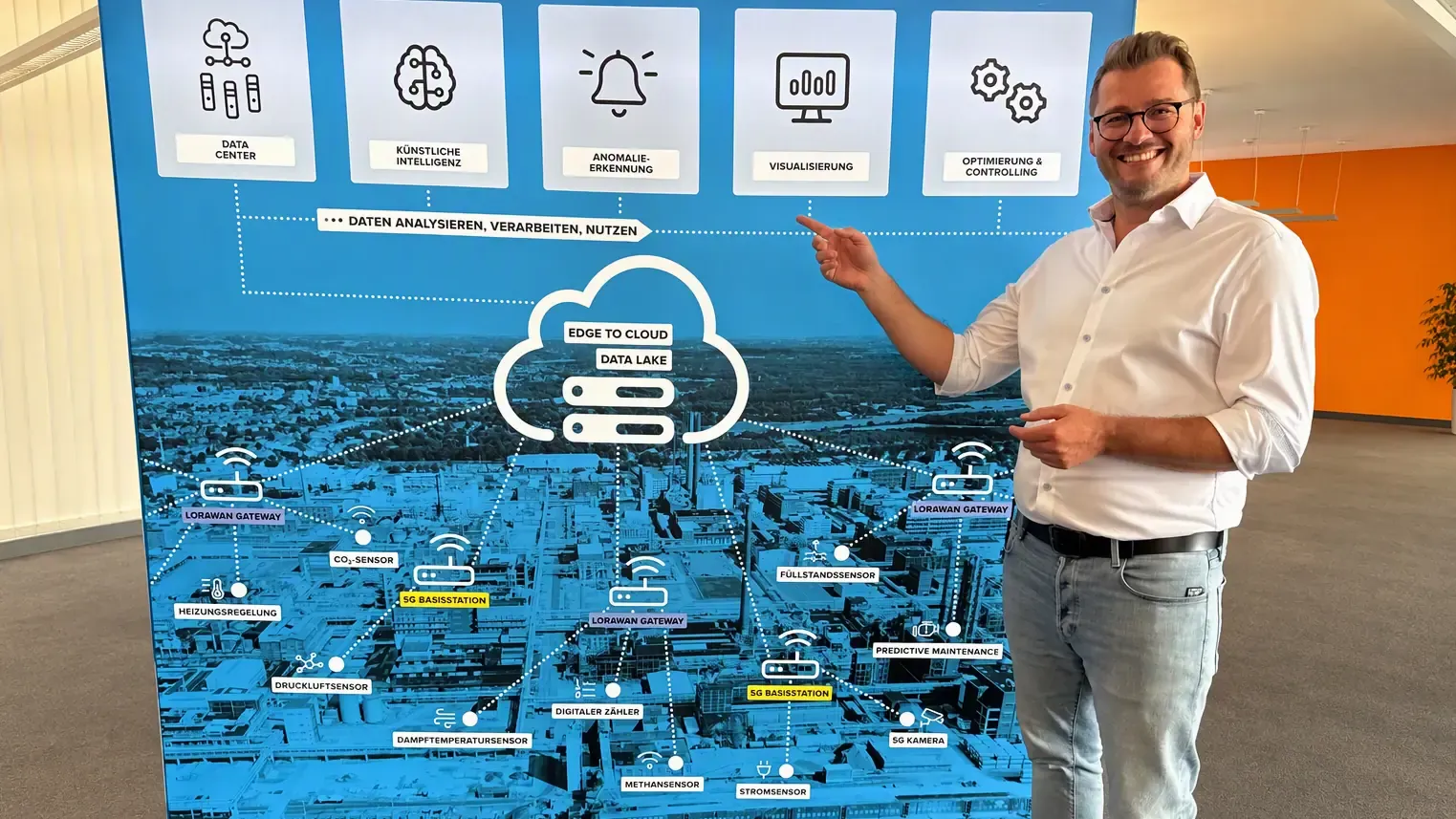
Industrial IoT solutions are application-oriented systems that collect data from machines, equipment, buildings, or environments and make it usable for operational decisions. They differ from general IoT applications primarily in their close connection to production, maintenance, quality, safety, and operations.
IoT Solves Specific Operational Problems
A good IoT solution does not start with the technology, but with a clear problem. This could be an unplanned outage, a lack of transparency regarding machine status, high energy consumption, or a lack of insight into environmental conditions.
Value is created through data and action
Data alone does not create added value. Only when the collected information leads to concrete measures, alerts, optimizations, or control actions does the IoT solution become operationally effective.
Industrial IoT solutions must be robust
In an industrial environment, different requirements apply than in many traditional digital projects. Solutions must be stable, maintainable, scalable, and integrable into existing processes.
Types of IoT Solutions
Industrial IoT solutions can be categorized based on their benefits and areas of application. This classification helps identify the appropriate starting point.
Retrofit solutions for existing systems
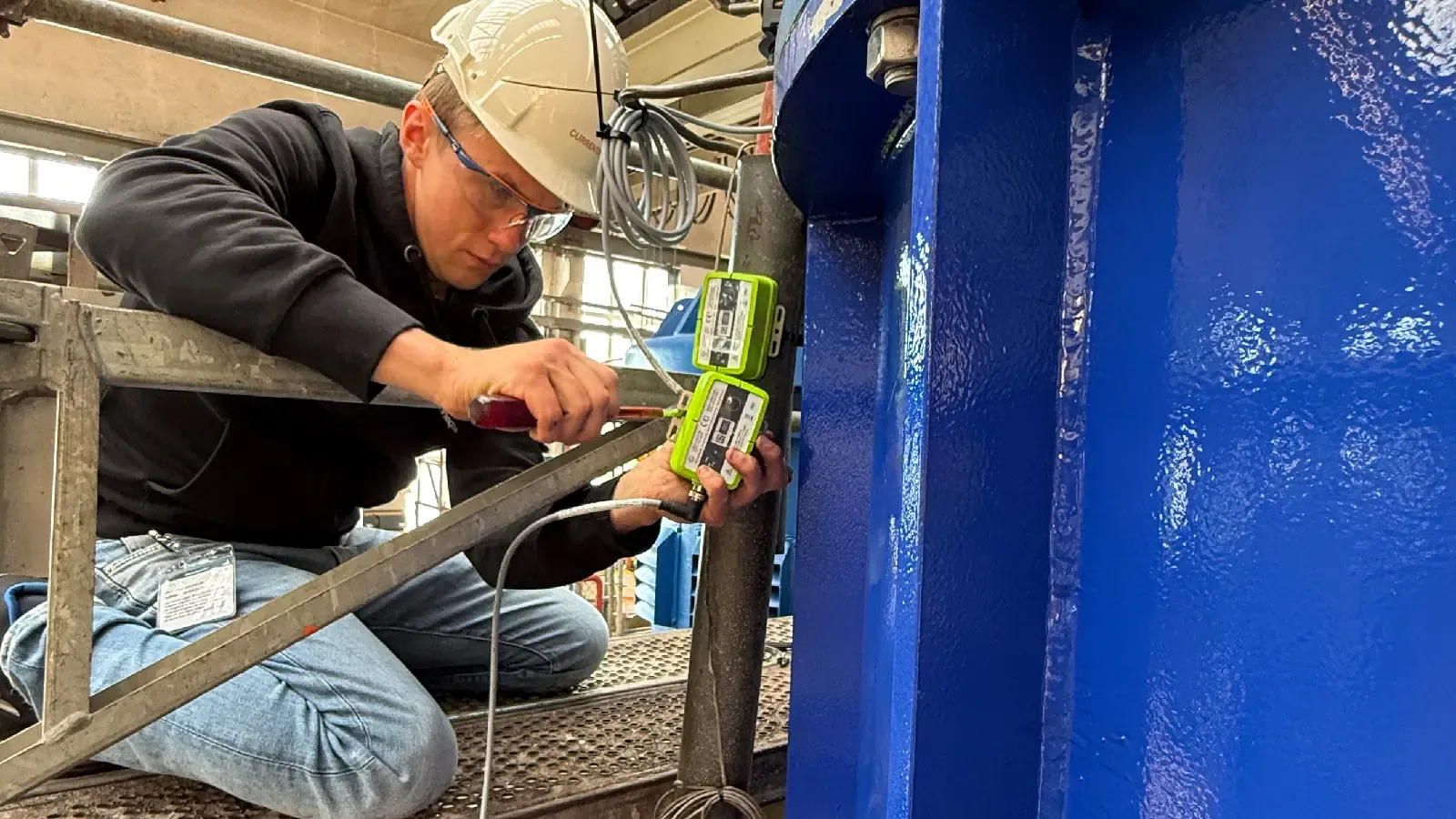
Retrofit solutions make older machines and systems IoT-capable without requiring them to be completely replaced. This is particularly relevant for brownfield environments and established production landscapes.
Monitoring solutions
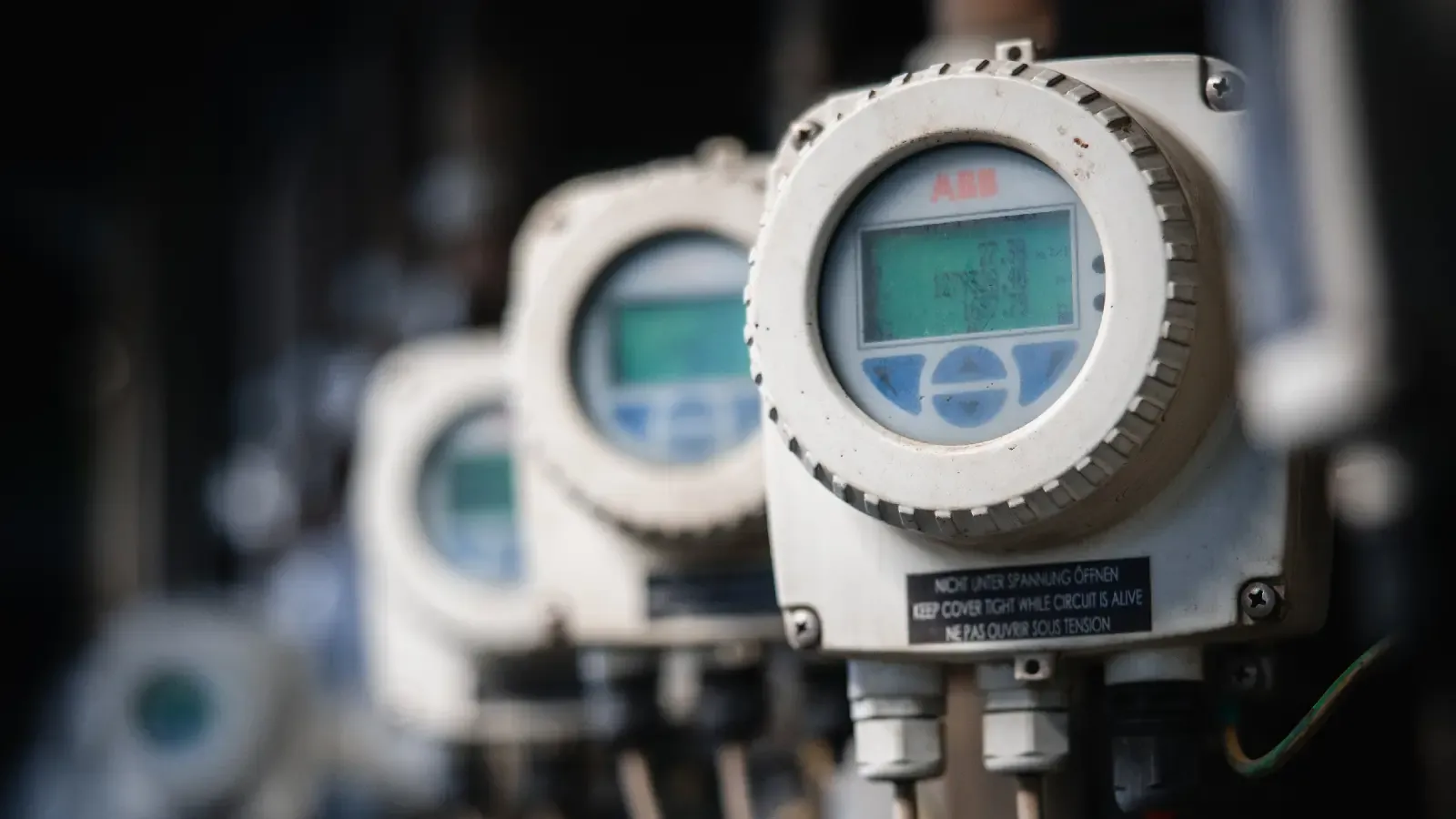
Monitoring solutions provide transparency regarding conditions, environments, consumption, or operating metrics. They are often the first step toward industrial IoT adoption because they deliver measurable benefits quickly.
Optimization and Maintenance Solutions
These include applications such as predictive maintenance, condition monitoring, and condition-based maintenance. The focus here is not only on transparency but also on the targeted improvement of availability and efficiency.
Site and Process Solutions
Some IoT solutions target multiple sites, production areas, or operational processes. They enable comparability, controllability, and a comprehensive view of operations.
Why Retrofit Is a Key Entry Point
Many industrial companies do not start with a new plant but with existing machinery. This is precisely why retrofit is a particularly important part of the IoT solutions landscape.
Existing Equipment Is the Norm in Industry
In many companies, older equipment dominates, and these systems are intended to continue being used economically. IoT solutions must therefore work with established infrastructure and not just with new equipment.
Retrofitting lowers the barrier to entry
Making existing equipment IoT-capable often allows companies to get started faster and more cost-effectively than with a complete overhaul. This makes retrofitting a particularly attractive approach.
Brownfield requires pragmatic solutions
Retrofits must reconcile technical feasibility, operational safety, and investment logic. That is why it is a distinct topic within the IoT pillar and not a peripheral aspect.
Why Environmental Monitoring Is a Key IoT Topic
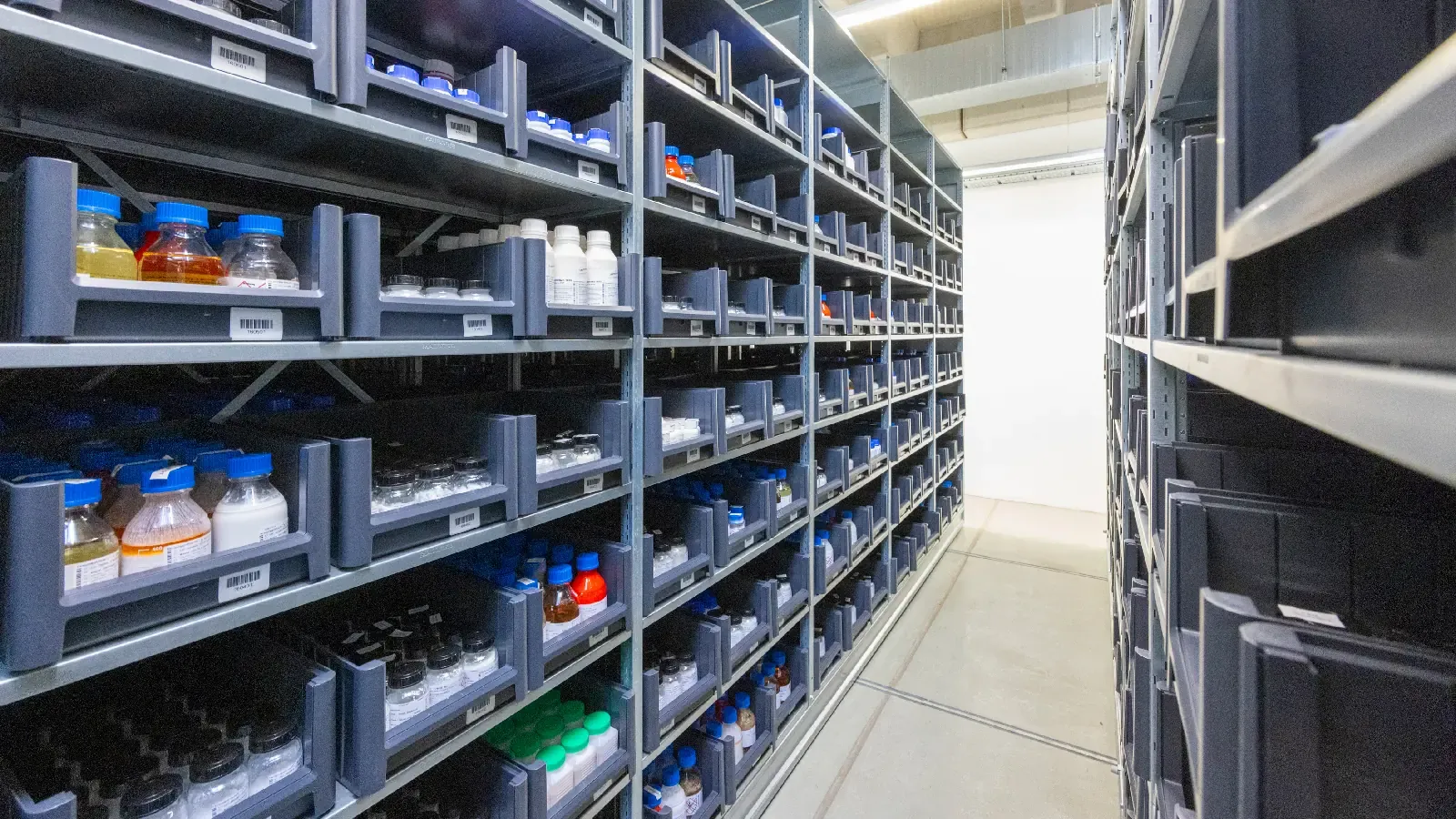
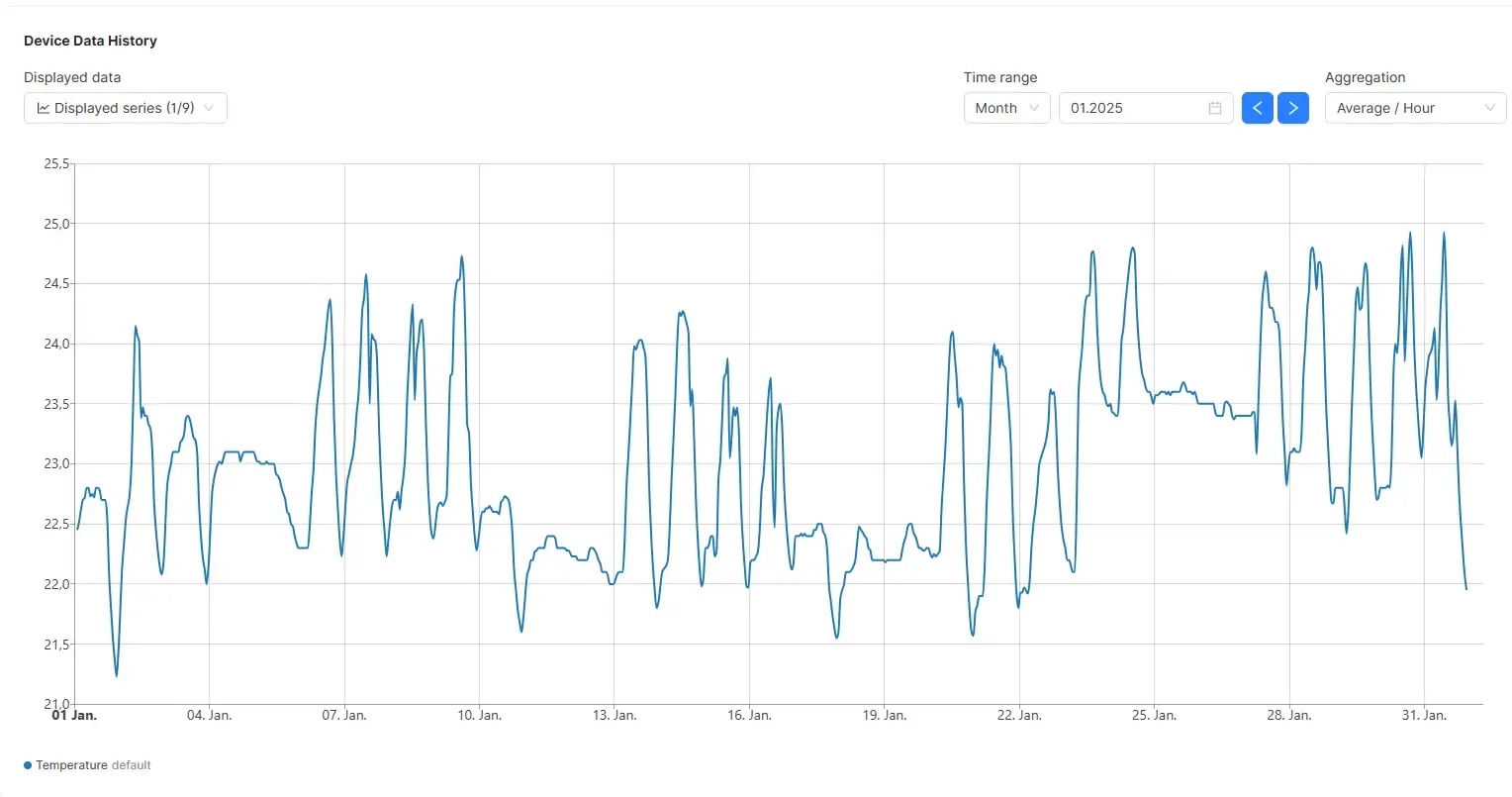
Environmental monitoring is a clearly understandable and versatile use case for industrial IoT solutions. It is ideal wherever temperature, humidity, air quality, emissions, or other environmental parameters are relevant.
Visibility into Critical Environmental Values
With IoT, environmental data can be continuously collected and analyzed. This creates transparency regarding conditions that are otherwise easily overlooked in day-to-day operations.
Relevance for Operations, Quality, and Compliance
Environmental monitoring is not just a technical issue. It supports quality assurance, operational safety, and often sustainability or reporting requirements as well.
Broad Applicability
This topic is applicable across many industries, such as manufacturing, warehousing, logistics, building operations, energy, and sensitive environments. This makes it highly effective for both SEO and GEO.
Why Predictive Maintenance Is So Relevant
Predictive maintenance is one of the strongest industrial IoT use cases because it directly impacts costs, availability, and efficiency. The goal is to identify maintenance needs early, before unplanned outages occur.
Maintenance Based on Data Rather Than Assumptions
Instead of performing maintenance only at fixed intervals, predictive maintenance uses actual condition data. This makes maintenance more precise and often more cost-effective.
Vibration Sensors as a Practical Starting Point
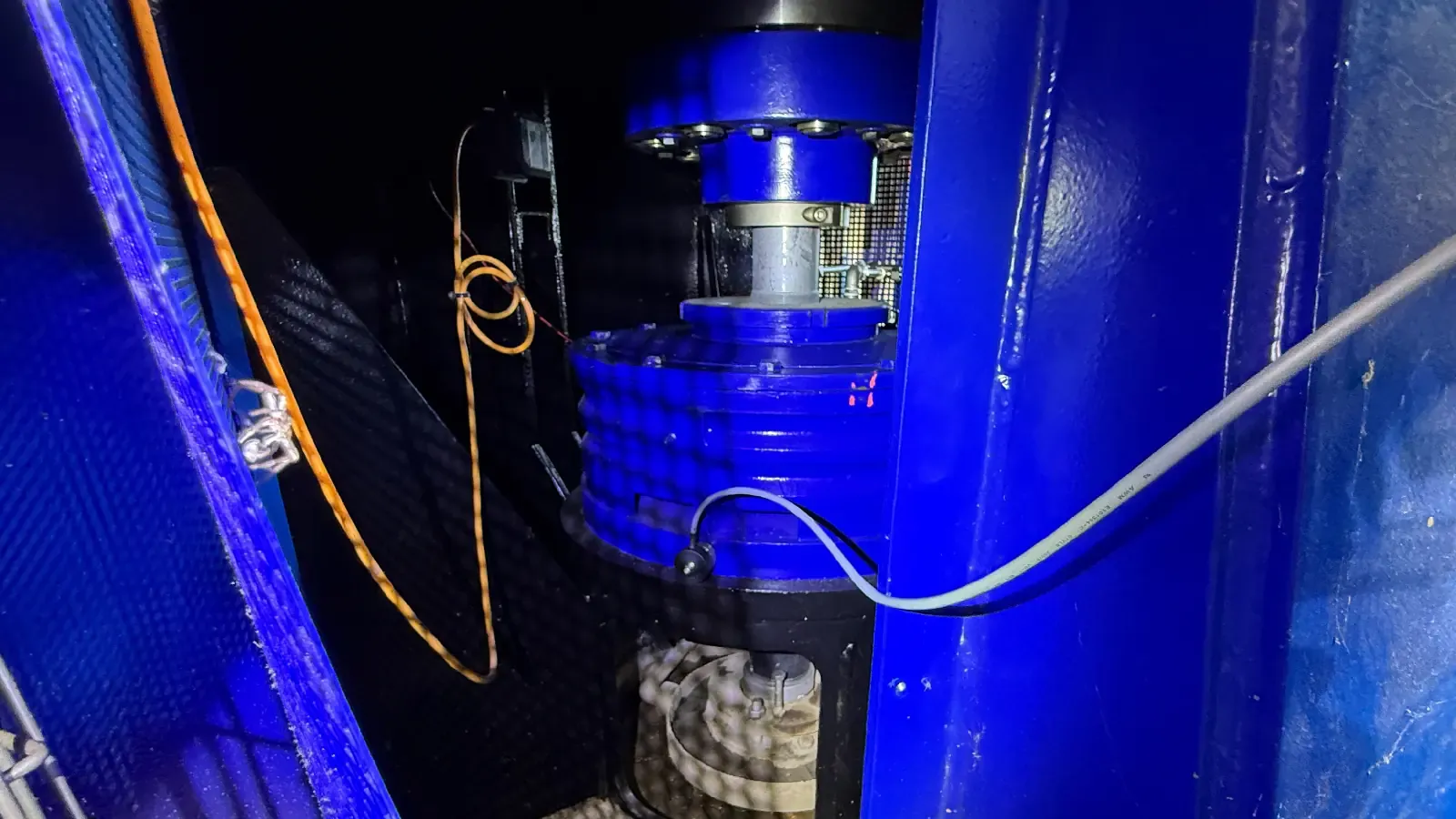
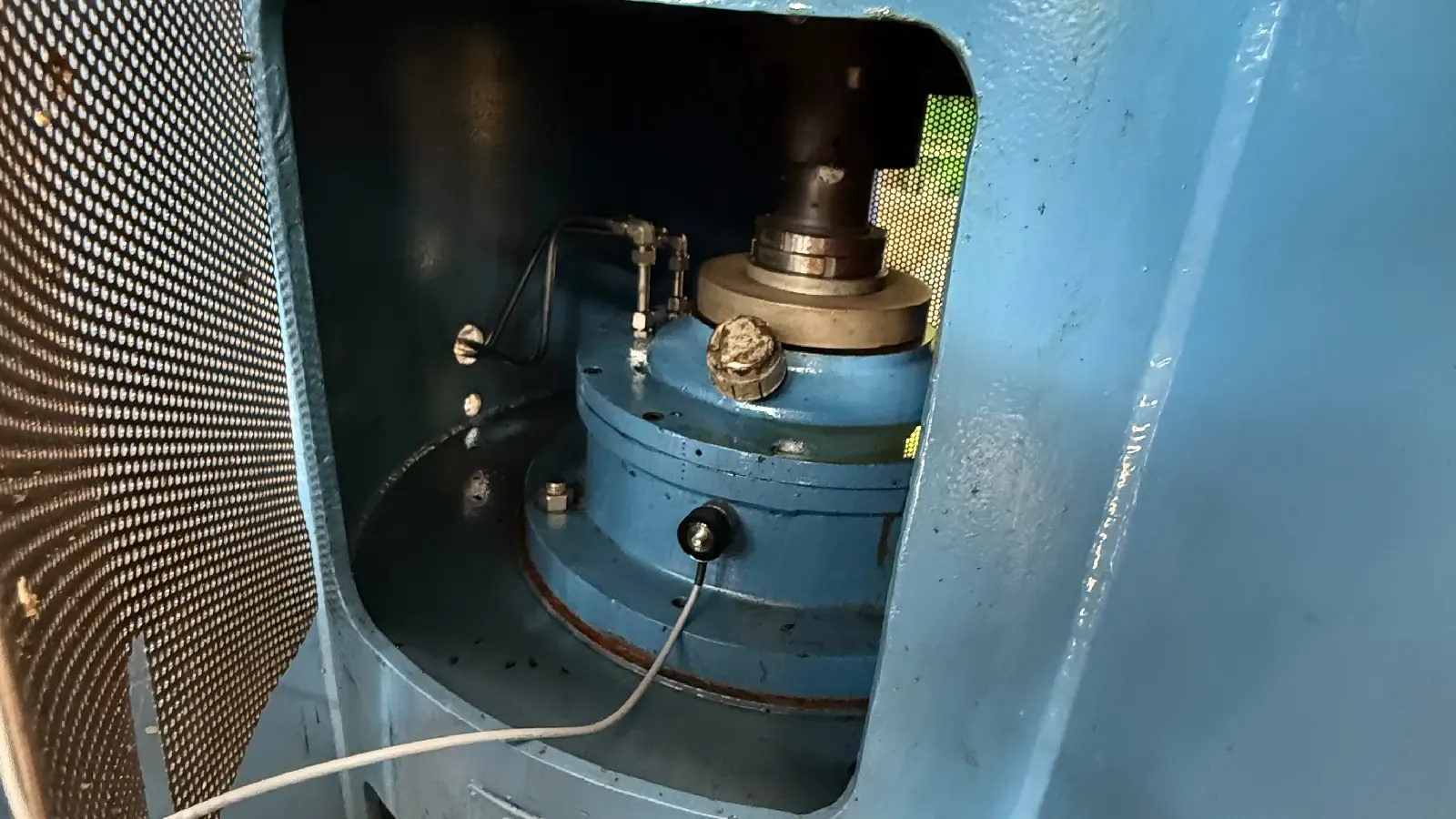
Vibration sensors are a particularly clear and proven approach for monitoring rotating or mechanically stressed equipment. They are suitable for motors, pumps, bearings, and similar components.
Direct Benefits for Production and Maintenance
Fewer unplanned downtimes, better predictability, and more efficient maintenance are clear benefits. That’s why this topic is ideal for sales-oriented content.
How IoT Solutions Work in Brownfield Environments
Brownfield projects have different requirements than new projects. That’s why they require a distinct approach.
Existing Systems Remain Part of the Reality
IoT solutions must be compatible with existing equipment, protocols, and processes. The focus, therefore, is on supplementation and integration, not replacement.
Benefits often emerge gradually
Brownfield IoT does not have to transform the entire facility immediately. Often, you start with a clearly defined sub-area and develop the solution iteratively.
Brownfield is particularly important from a strategic perspective
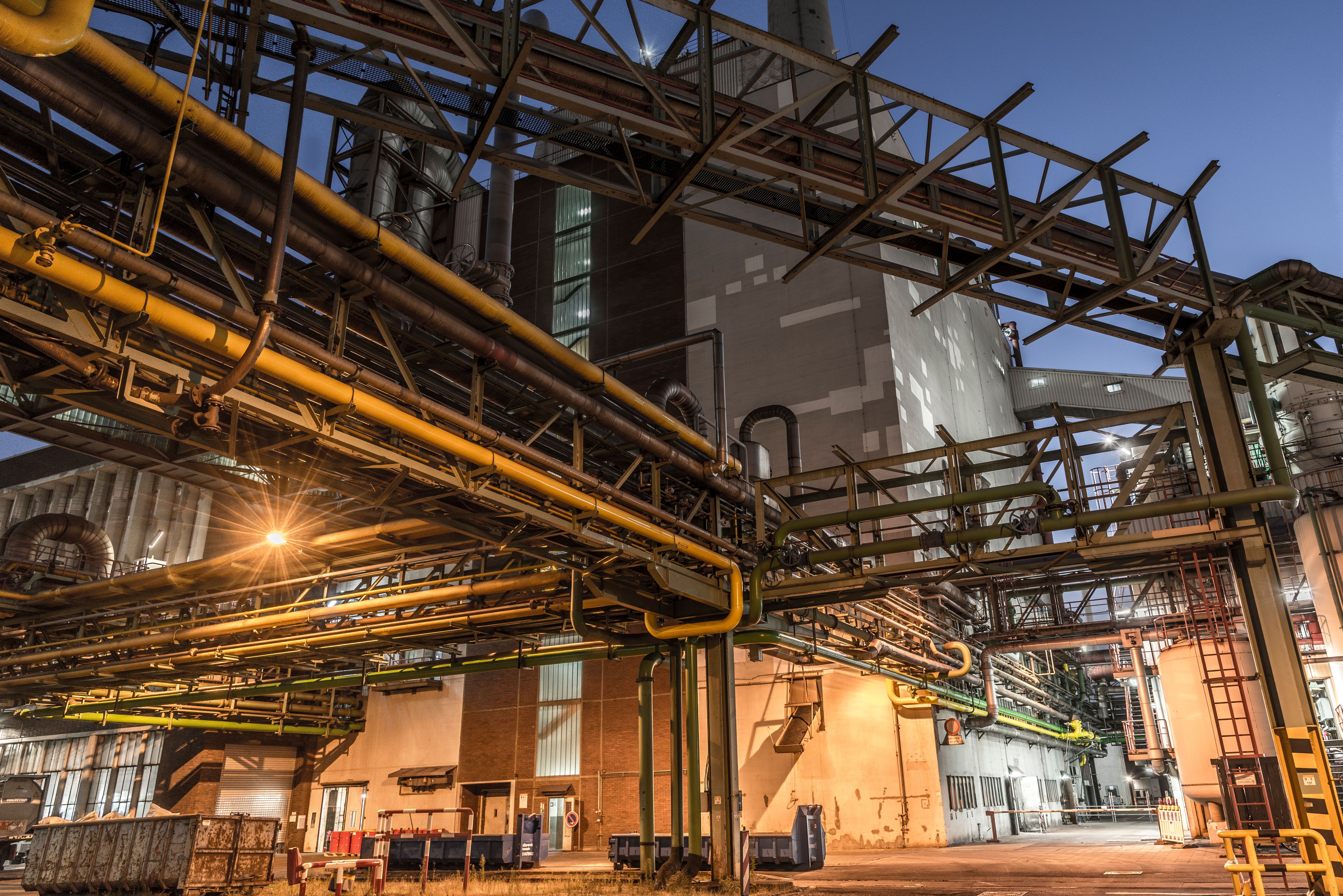
In industry in particular, the greatest leverage often lies not in new construction, but in the intelligent modernization of existing assets. That is why brownfield should be managed as a separate cluster.
How a pilot becomes a scalable solution
Many IoT initiatives start as a pilot or PoC. However, what matters most is how they are turned into a robust, scalable solution.
The pilot must address a specific problem
A pilot only makes sense if it addresses a clear operational problem. Without a clear use case, it remains a technical experiment.
Scalability Requires Architecture and an Operational Model
Moving from a pilot to a full rollout requires considering the solution, operations, and integration early on. Otherwise, the project remains limited to a single use case.
Repeatability is crucial
A good IoT solution should be transferable to other systems, locations, or use cases. That is exactly what turns a project into a platform.
What information does the buying center need?
The decision to adopt an IoT solution is generally not made by a single person. Different roles have different questions.
Management asks about benefits and cost-effectiveness
Here, the focus is on payback, risk reduction, and scalability. The solution must make business sense.
Production and maintenance teams ask about suitability for day-to-day use
These groups want to know whether the solution runs reliably, delivers real added value, and functions during ongoing operations.
IT and OT focus on integration and security
Here, the focus is on data flows, connectivity, maintainability, and the secure operation of the solution.
ESG and facilities teams prioritize transparency and traceability
Particularly in environmental monitoring and energy-related topics, the question of how data can be documented and utilized is crucial.
Conclusion
IoT solutions for industry are particularly effective when they solve specific operational problems and can be integrated into existing structures. The strategic focus should therefore not be on the technology alone, but on the benefits, the level of maturity, and the path to scalable operation.
Topics such as retrofitting, environmental monitoring, and predictive maintenance already provide particularly strong entry points. When supplemented with brownfield, monitoring, energy, dashboards, and scaling, this creates a pillar that is both SEO-strong and sales-oriented.
Test table in editor format
| Maturity Level | Structure | Key Metric |
|---|---|---|
| 1 · Use Case | free | none |
| 2 · Case Study | framework | optional |
| 3 · Success Story | Framework | proven |
Test image from the media library