/Knowledge/Steam Pipe Monitoring

Success Story · 6/4/2026

Steam Pipe Monitoring

Challenge

A lack of transparency regarding steam temperatures leads to inefficiency

Solution

A digital twin of the steam networks enables optimized burner control

Highlights

  • 8 Steam Networks
  • 45 sensors
  • Expected annual savings in the seven-figure range
IndustriesChemistryPharmaceuticals

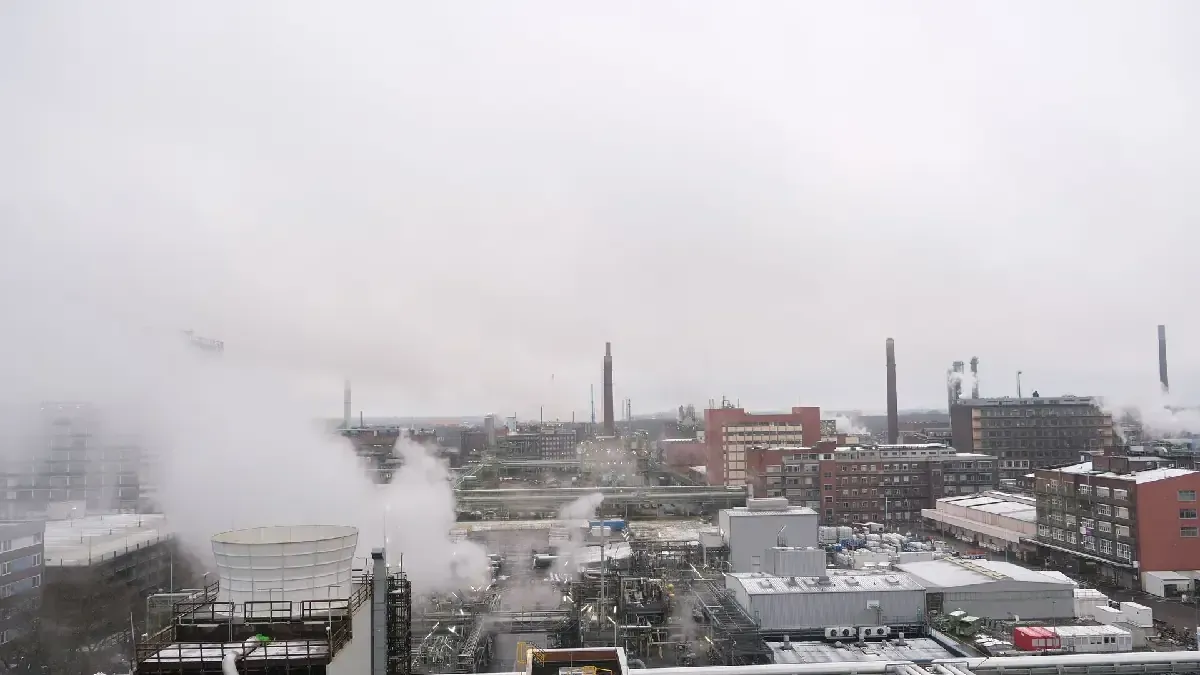
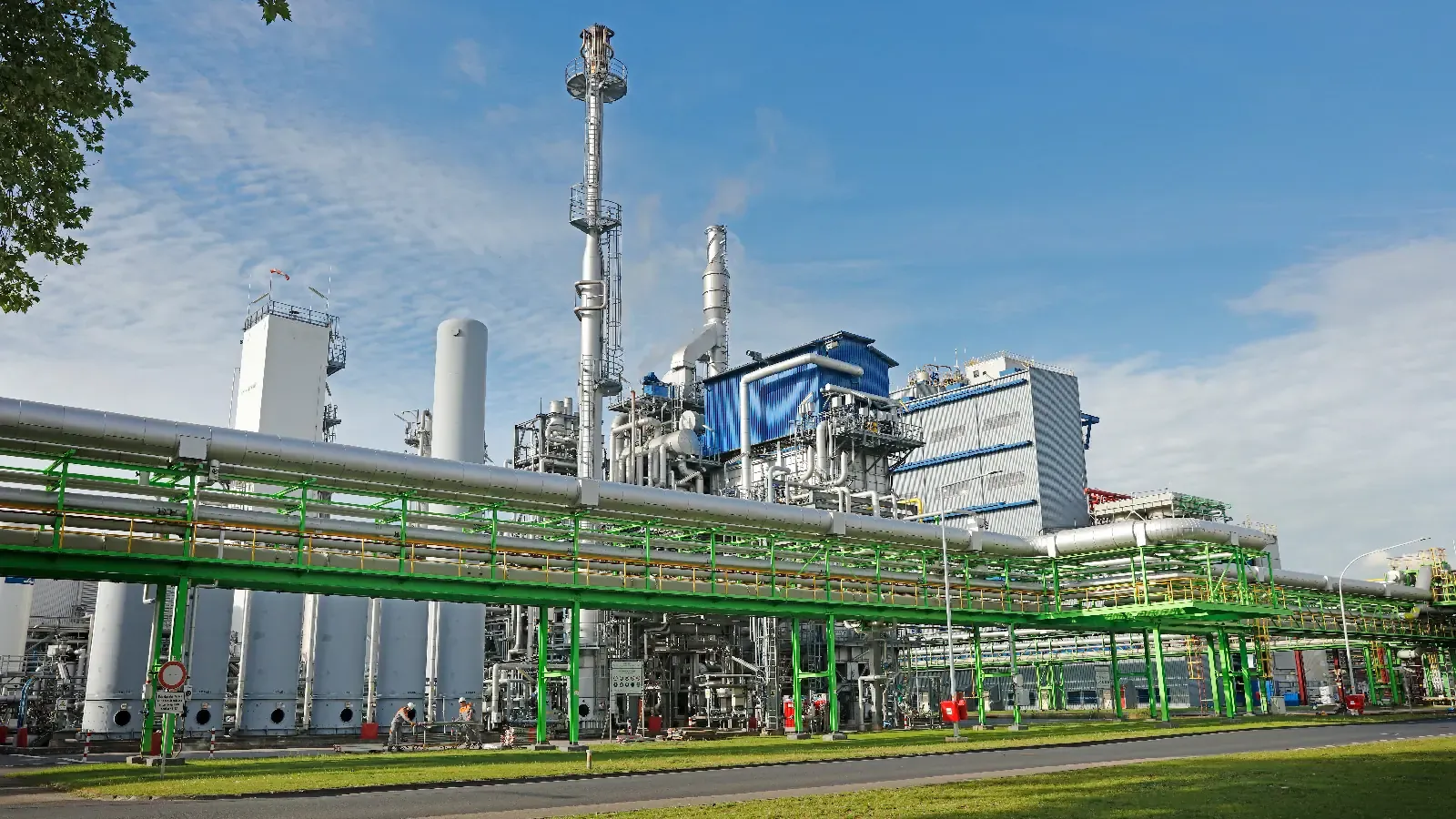
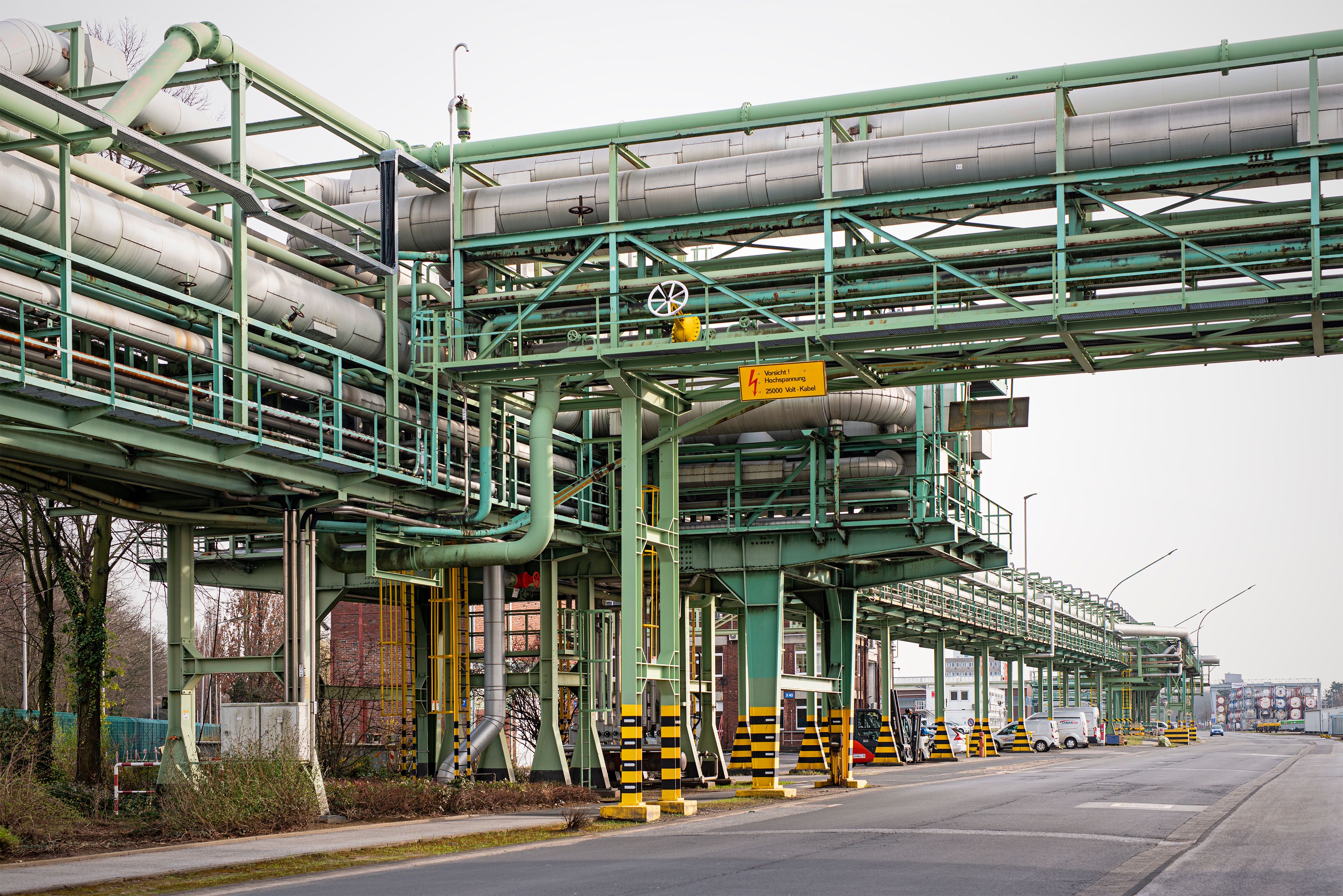
CURRENTA operates eight steam networks with three different steam quality levels across the three CHEMPARK sites. Network-wide monitoring of steam temperatures is critical to efficiency and consequently energy costs. Until now, temperatures at the respective points in the steam network were recorded only manually and not consistently.

Challenge

Lack of data

The lack of an overview of real-time temperatures in the steam network prevents the identification of unnecessarily high temperatures

Unnecessary energy consumption

Excessively high feed-in temperatures due to a lack of data, resulting in increased energy consumption and reduced power plant efficiency

Delayed adjustment

Manual evaluations prevent the timely optimization of burner settings

Solution

A digital twin of the steam networks enables the automated optimization of burner settings based on real-time sensor data.

Retrofitting

Conneqtive is equipping the steam networks with 10 to 15 high-temperature sensors each to monitor steam temperature

Automated data transfer

The live data is transmitted via Conneqtive LoRaWAN®

Visualization

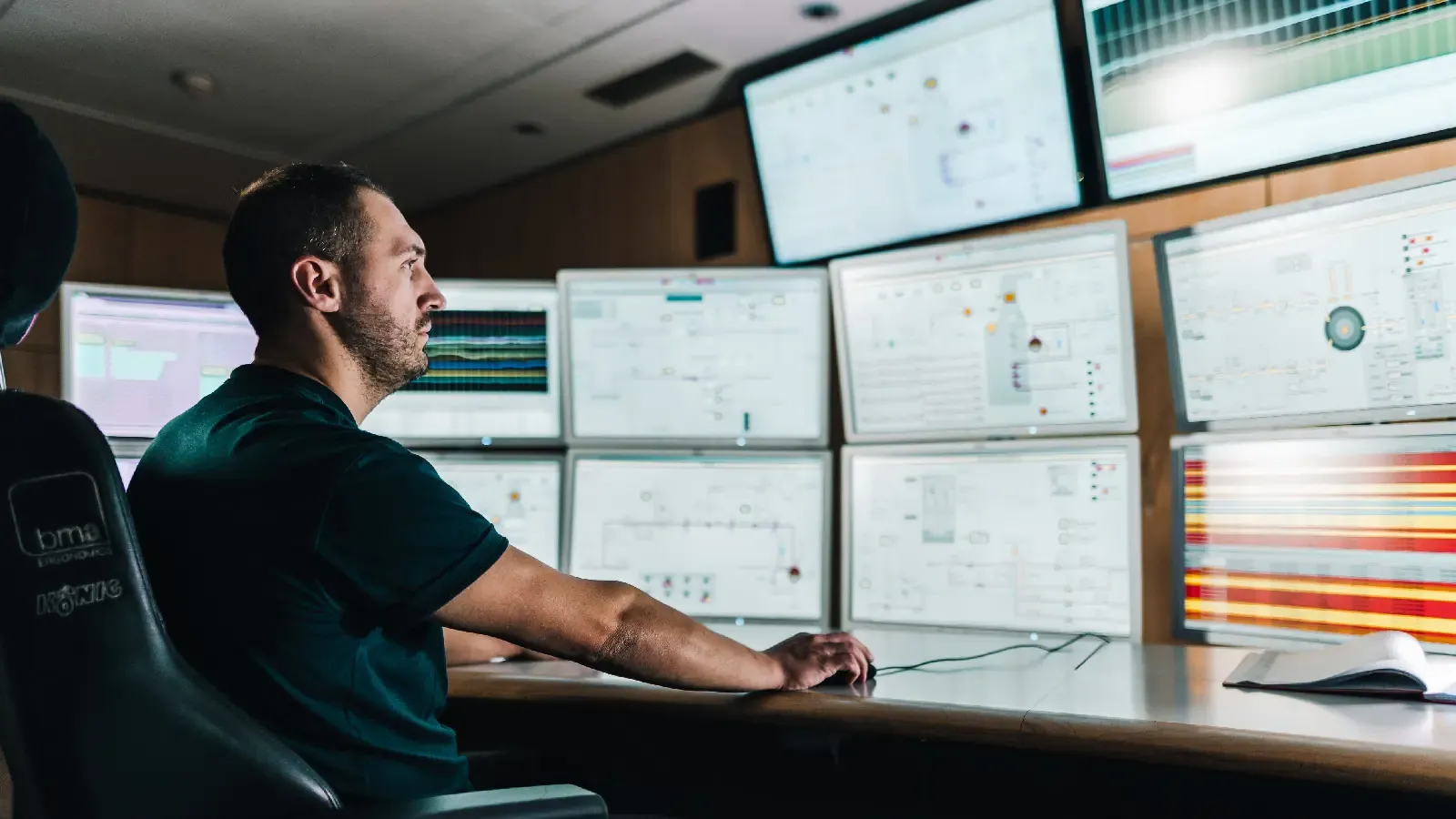
A dashboard displays real-time temperature trends for all areas of the steam networks

Data-driven optimization

The data provides the basis for automated fine-tuning of the burner settings at the power plant
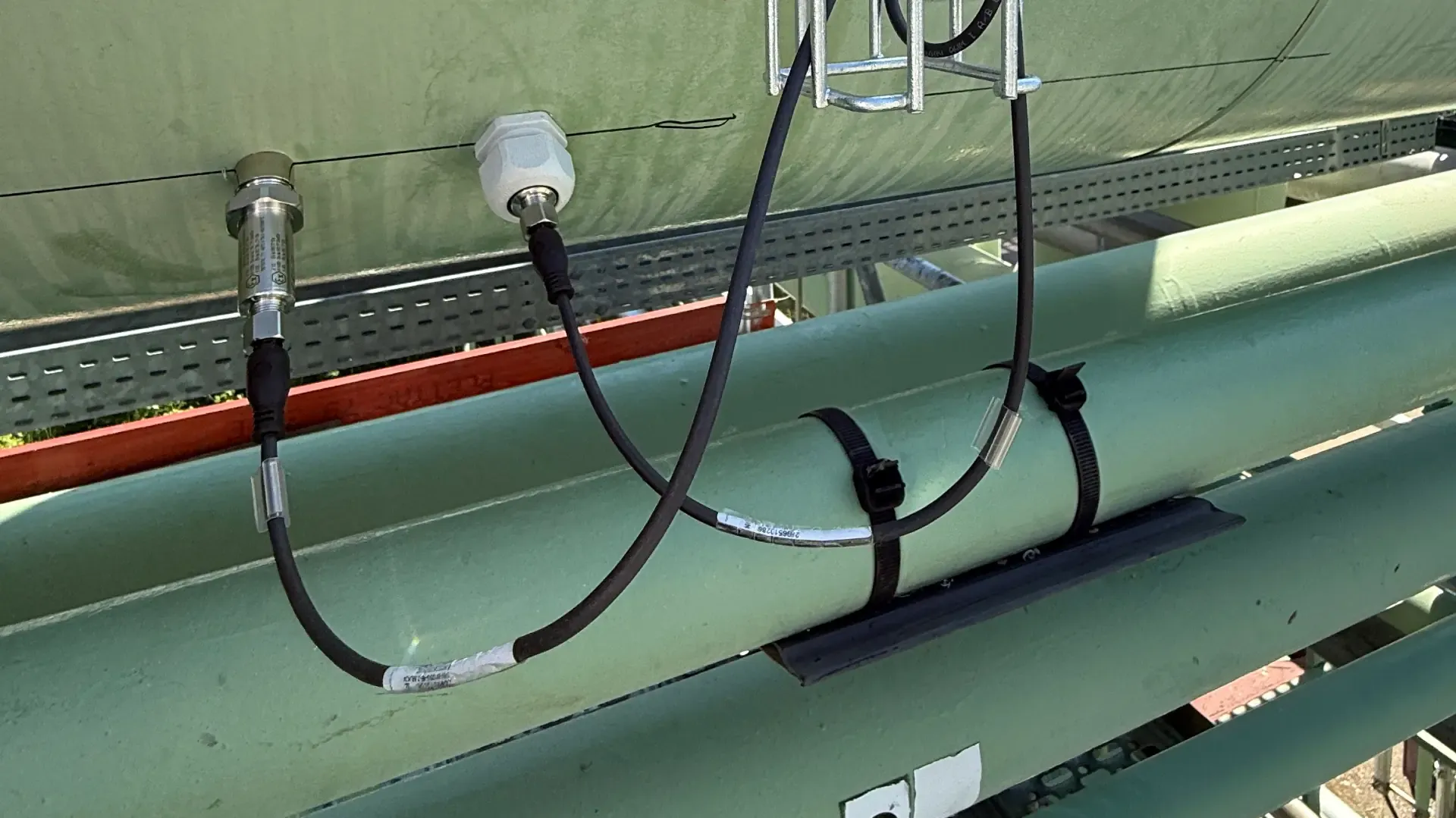
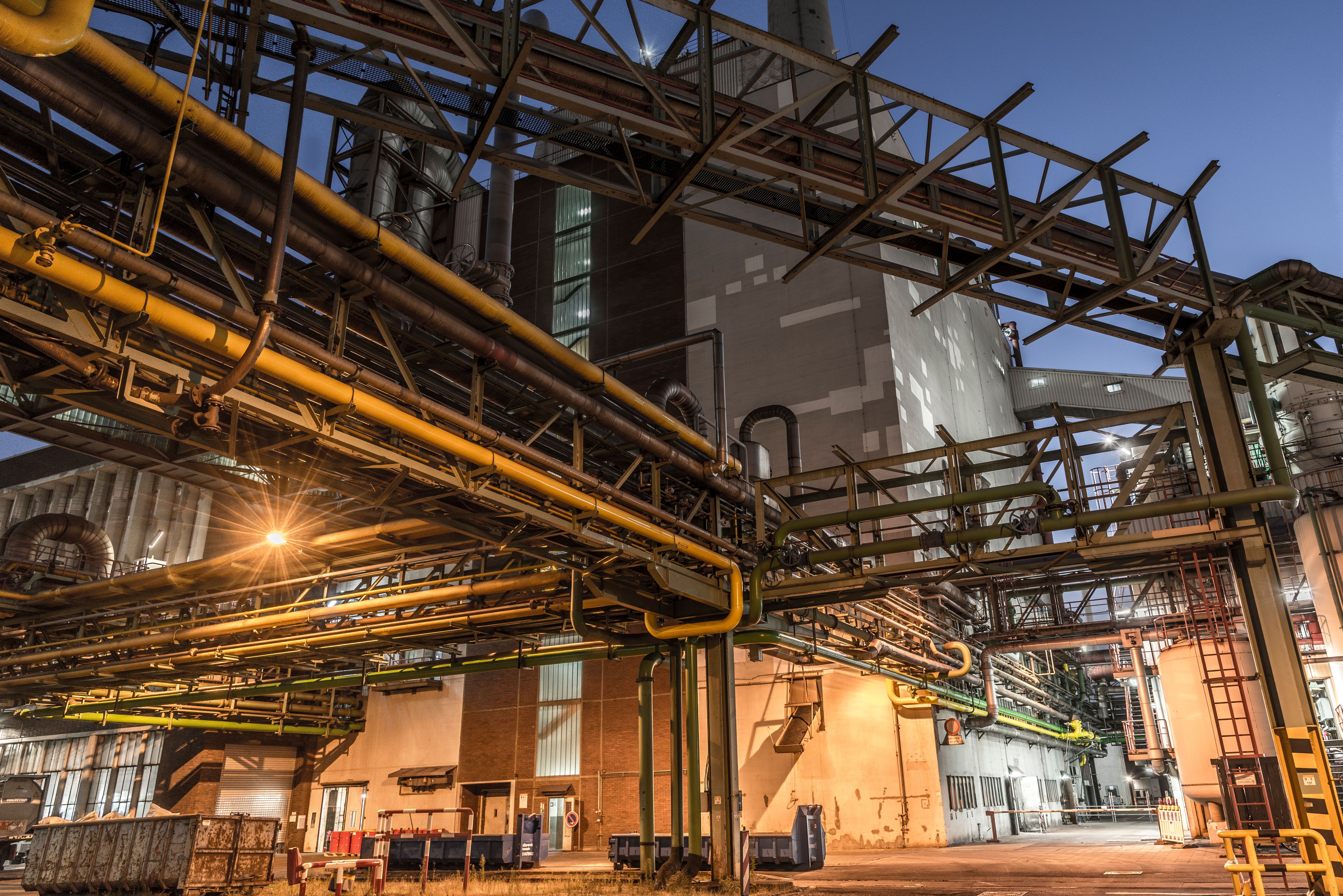
Retrofit LoRaWAN sensors on steam lines
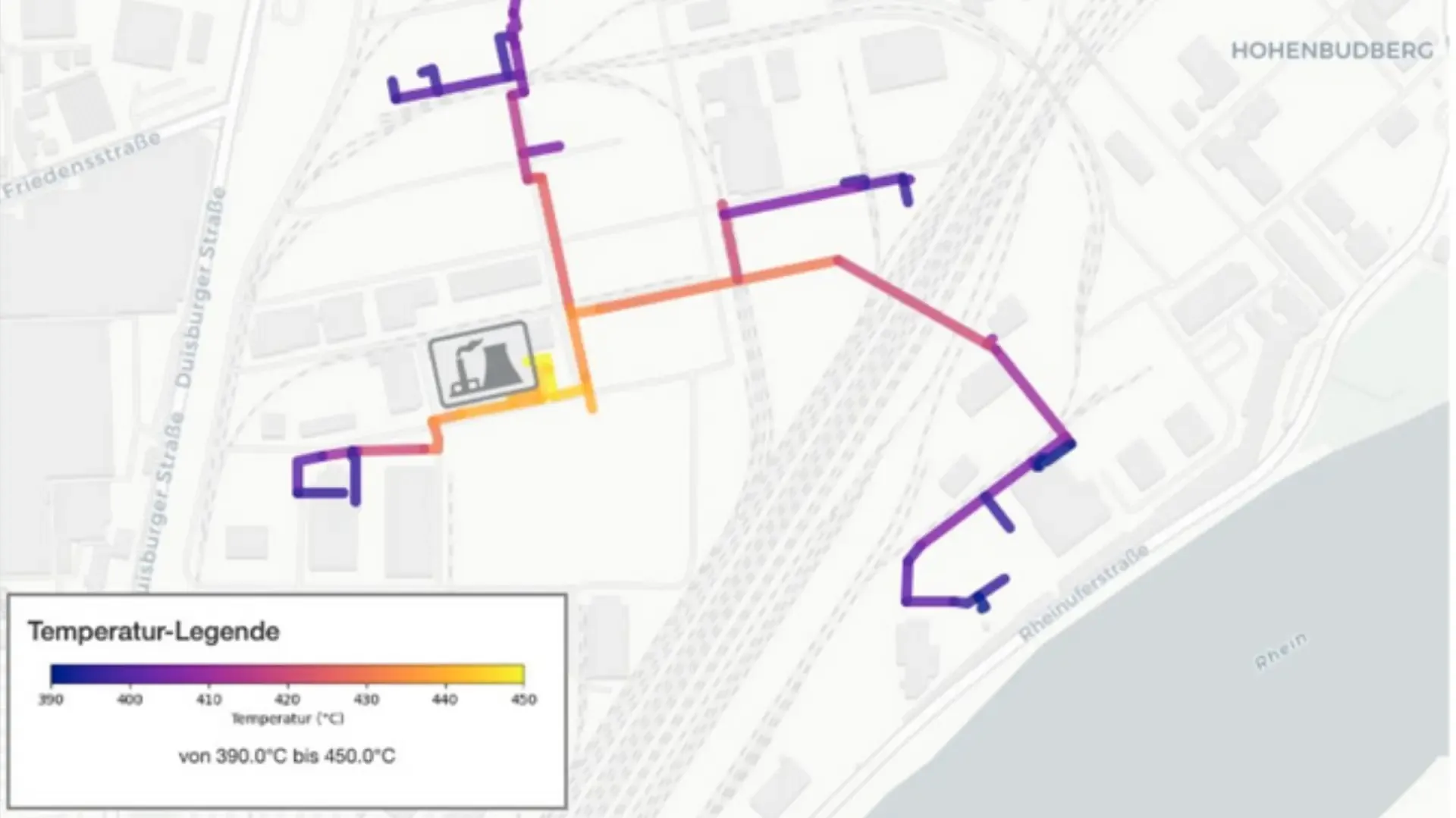
Digital twin of the steam network with temperature visualization
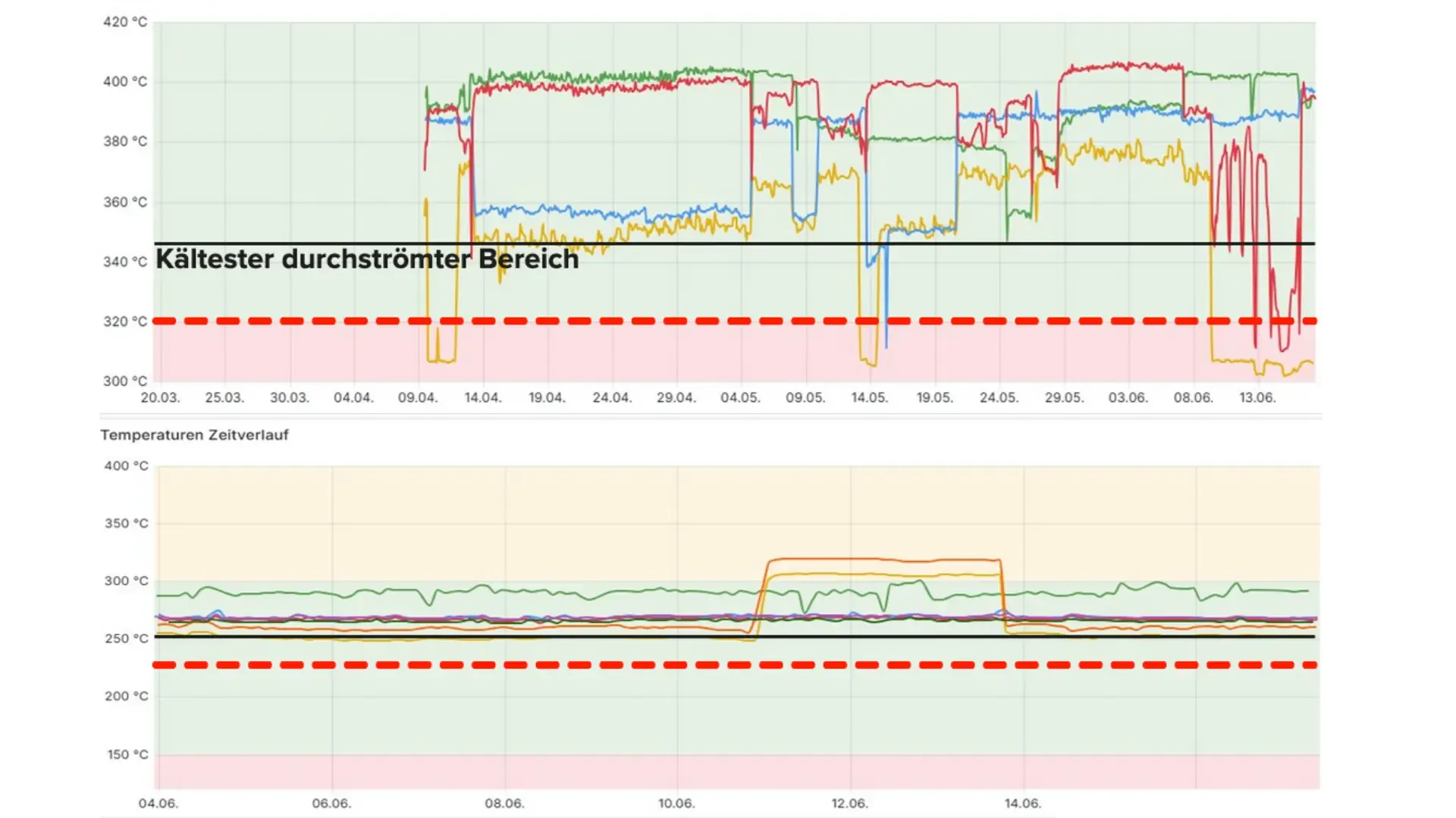
Visualization of optimization potential in the dashboard


Outcome

  • Feedwater temperature reduced by up to 20°C while maintaining steam quality
  • Expected annual savings of €10,000 per °C reduction per network
  • Annual savings in the seven-figure range are possible
  • Expected reduction of 9,200 tons of CO₂ per year
  • Further efficiency improvements in the future through machine learning

Related articles