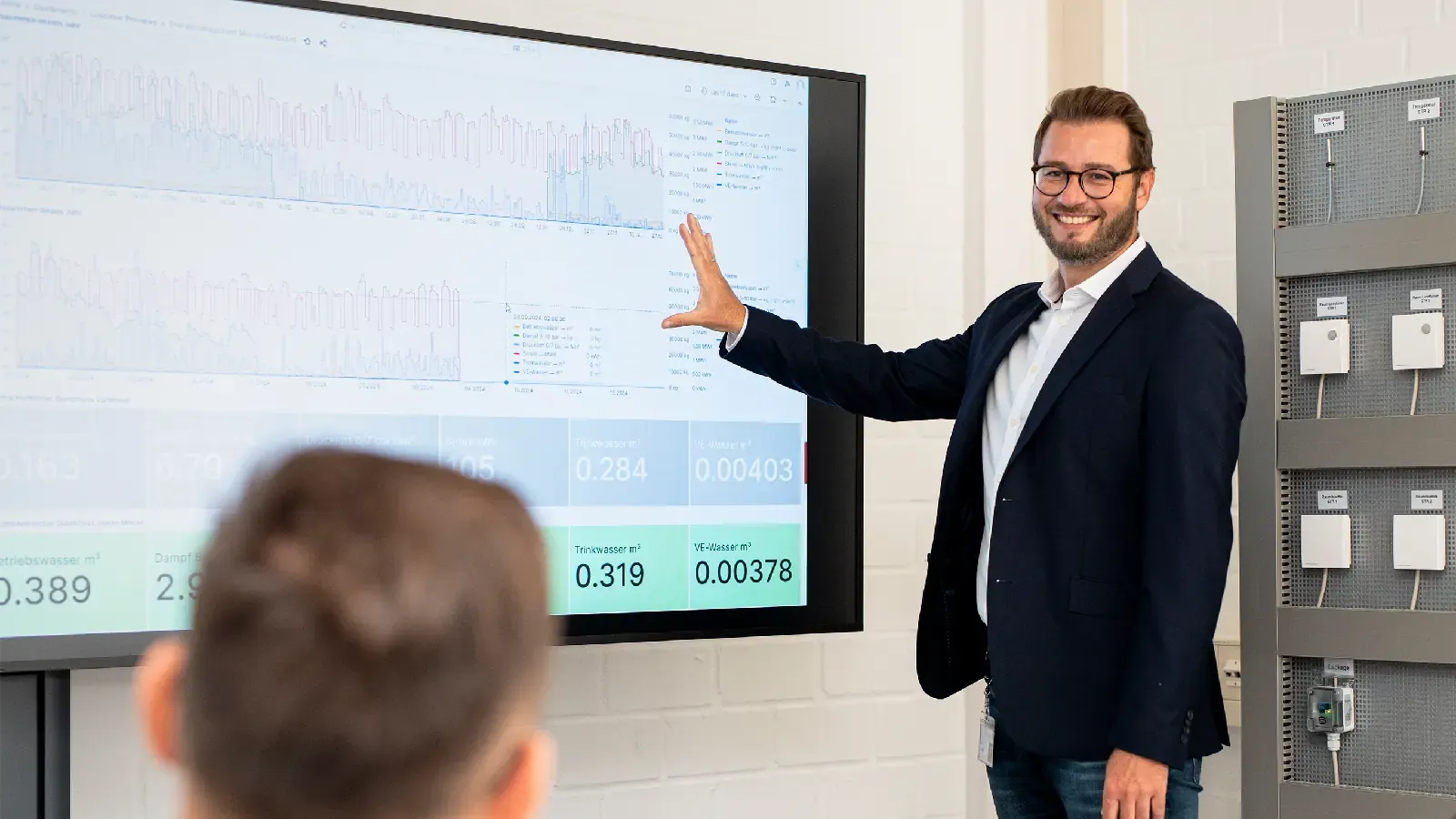
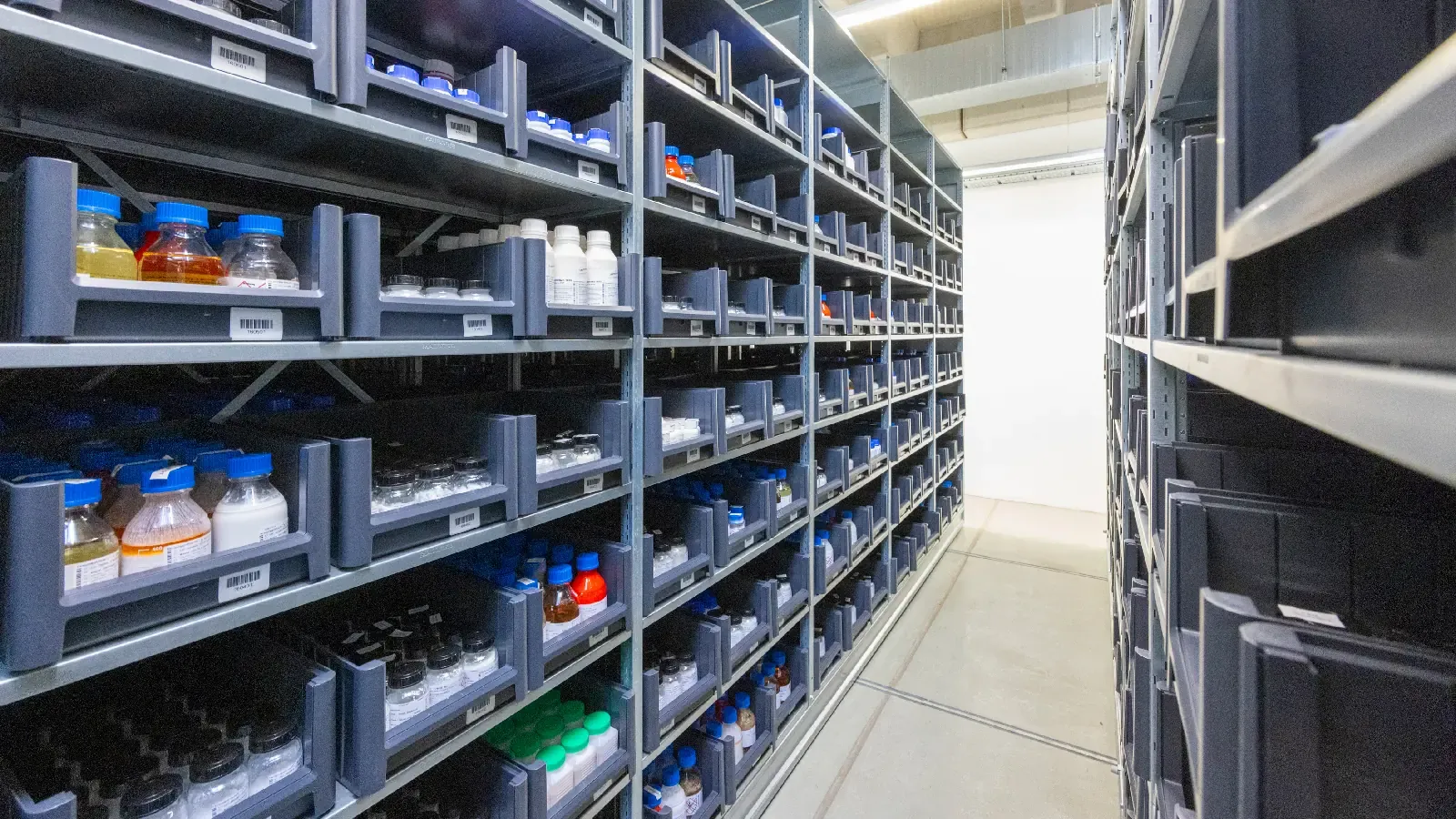
At a large-scale industrial park—with river access, a rail spur, and various handling points for truck entry and exit, similar to the Chemparks in Leverkusen and Krefeld-Uerdingen—various material and transport flows converge daily. For example, raw materials are unloaded on the riverbank using crane systems; railcar loads or containers arrive on the premises via rail, such as at the shipping area; and deliveries and shipments are made by truck via the road network. In such environments, transparent asset tracking is a key driver of efficiency and control.
Asset tracking helps make equipment, tanks, containers, and movable goods digitally visible. Especially in complex site structures, this creates clear operational value along the entire logistics and production chain.
What Asset Tracking Means in This Context
Asset Tracking describes the digital tracking of movable objects across defined zones, processes, and transfer points.
Transparency regarding the movement of goods and materials
Assets are not only recorded but also made visible along the entire path from delivery, through handling and storage, to onward transport.
Cross-site tracking
Especially at multimodal locations, it is important to know when an asset transitions from river, rail, or truck transport into internal processes.
Operational Availability
What matters is not just the location of an asset, but whether it is available where it is needed in the process.
Why the location context is crucial here
A Chempark with multimodal connections is more than a traditional production site. It is a logistics hub where different transport routes converge and both internal and external material flows must be coordinated.
River Connections
Raw materials unloaded on the riverbank must be transferred in a traceable manner from the transshipment point to storage or production areas.
Rail Logistics
Container and railcar shipments require transparency during arrival, unloading, temporary storage, and onward transport.
Truck Logistics
Road access via highways enables flexible deliveries and shipments, which must also be integrated into the tracking process.
In-Plant Logistics
Between unloading, warehousing, production, and shipping, there are many transfer points where tracking adds value.
Which Assets Are Typically Tracked
Containers and Loading Units
They are particularly relevant for rail and truck transport as well as temporary storage.
Raw materials and semi-finished goods
These must remain traceable during the transition from the transshipment point to the plant.
Tools and equipment
They are indispensable for maintenance, assembly, and operational processes.
Mobile transport aids
These include, for example, pallets, roll containers, special containers, or loading aids.
Which technologies are used for this
What else is available?
RFID
Suitable for defined transfer points, such as in warehouses or at loading stations.
Bluetooth and Sensor Tagging
Useful for movable objects in confined areas or warehouses.
RTLS
Real-time location systems are relevant when movements throughout the entire site need to be trackable.
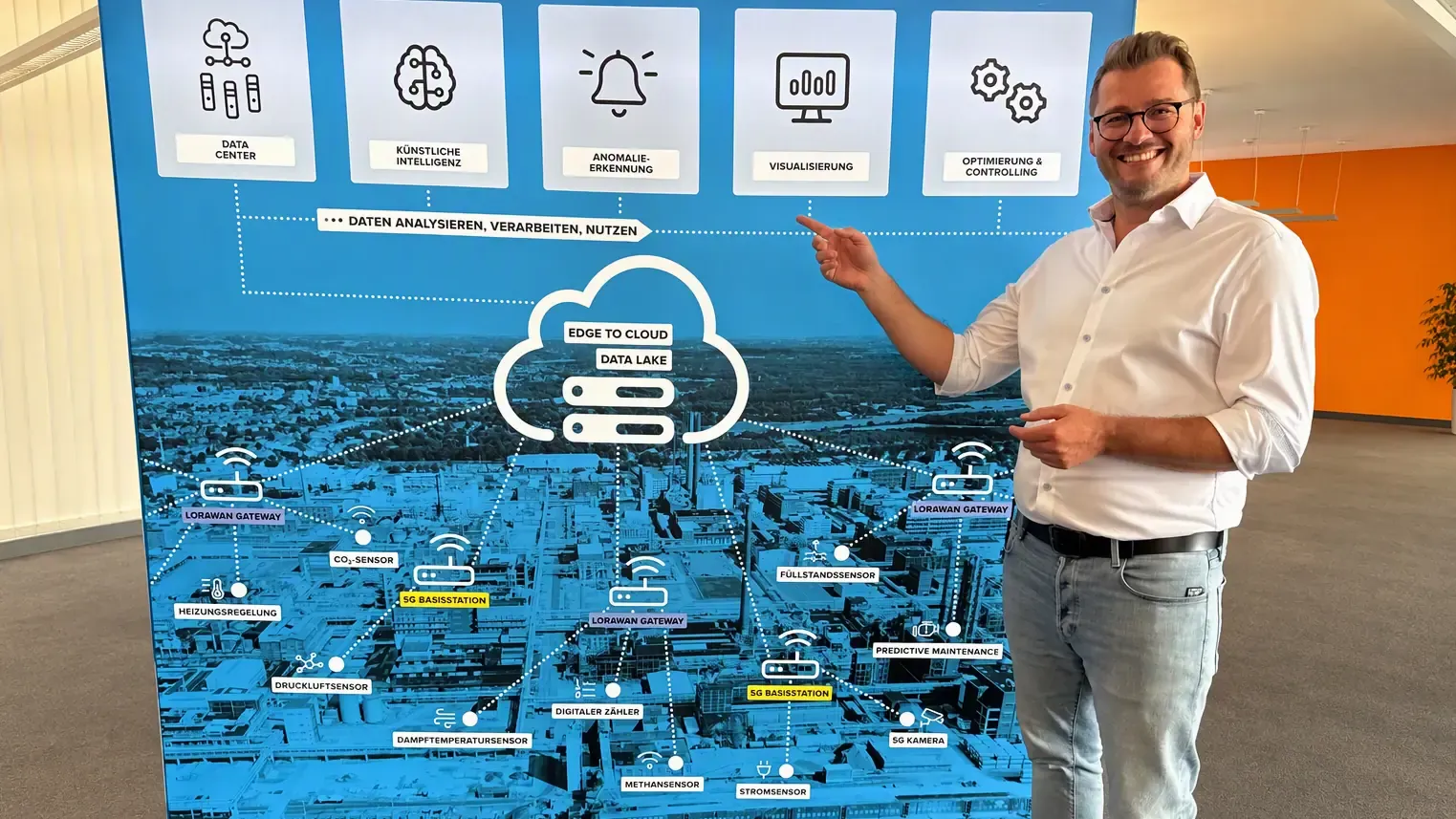
Combination with gateways and platforms
The tracking data is collected, transmitted, and transferred to operational systems.
Benefits at a multimodal site
Better overview of transshipment points
River, rail, and truck traffic can be viewed within a unified framework.
Less time spent searching and waiting
Assets can be identified and assigned more quickly.
Greater process reliability
Misrouting, losses, or unnecessary downtime are reduced.
Improved coordination
Coordination between logistics, production, and operations becomes significantly easier.
Typical Use Cases at Chempark
Unloading at the Riverbank
Tracking makes it possible to track when raw materials arrive and where they are forwarded.
Rail delivery
Container and railcar movements can be integrated into the plant workflow.
Truck delivery
Arrival, handoff, and removal can be managed with greater transparency.
Internal plant logistics
Materials, containers, and tools move between the warehouse, production, and shipping while remaining visible.
What role does Conneqtive play as an IoT system provider?
As an IoT system provider, Conneqtive can help select the right solution for each location and the existing logistics structure.
Selecting the Right Tracking Technology
Not every environment requires real-time tracking, but every one needs the right technical approach.
Integration into Existing Workflows
Tracking must support the work and not create additional complexity.
Scaling to Additional Site Areas
What works at transshipment points can often be extended to warehousing, production, or shipping.
Conclusion
Asset tracking at a multimodal site is a highly relevant industrial use case with direct ties to logistics, production, and operations.