Many industrial companies are not faced with the question of whether to build from scratch, but rather how they can gradually digitize existing facilities and production environments. This is exactly where brownfield IoT comes in. Instead of starting from scratch, existing machines, processes, and infrastructure are taken into account and enhanced with IoT capabilities.
Brownfield is therefore not a niche topic, but rather the typical reality of many industrial projects. Anyone who wants to successfully implement IoT solutions in a brownfield setting needs a pragmatic approach to legacy systems, ongoing operations, technical limitations, and phased modernization.
What “Brownfield” Means in the Context of IoT
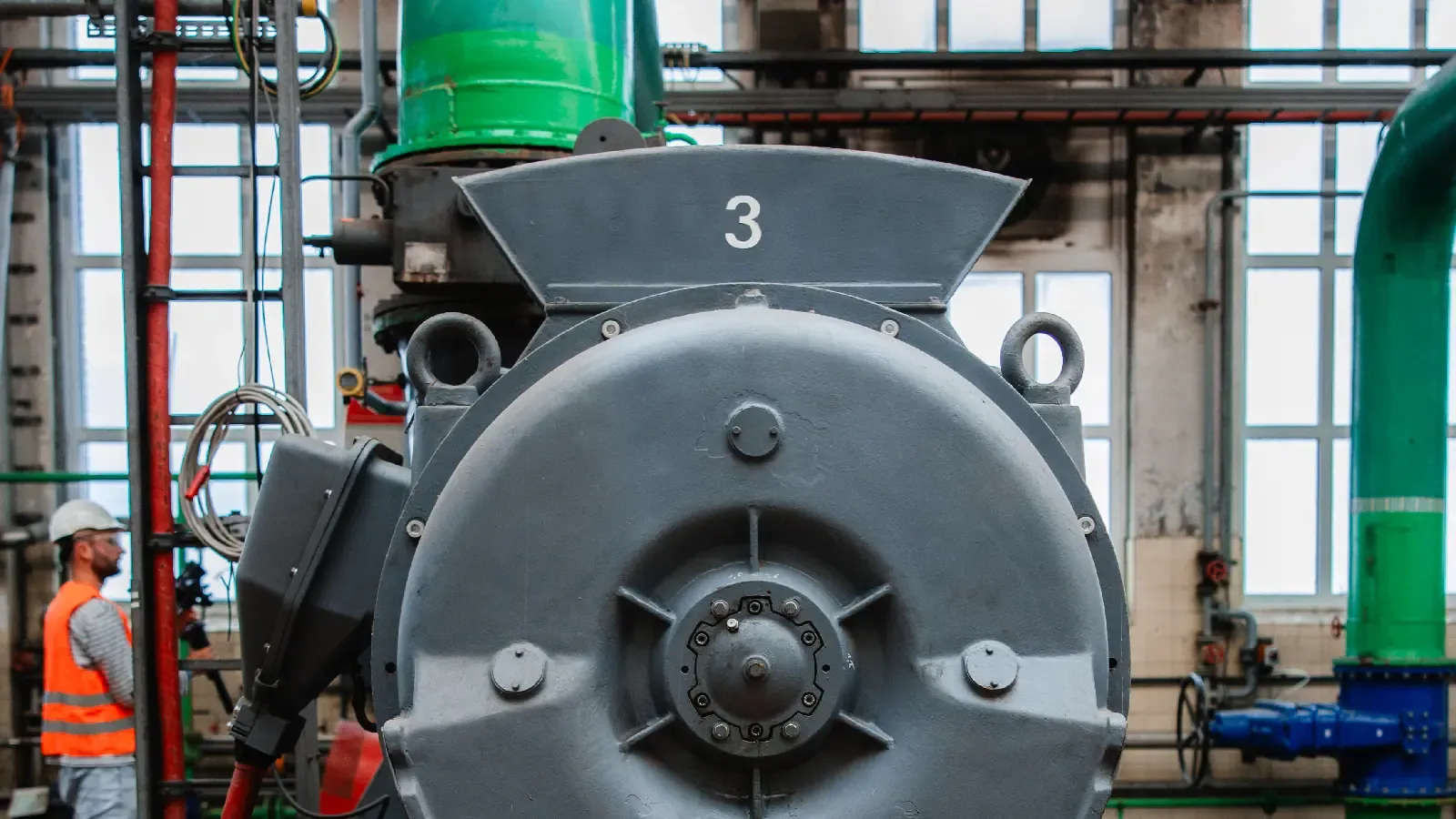
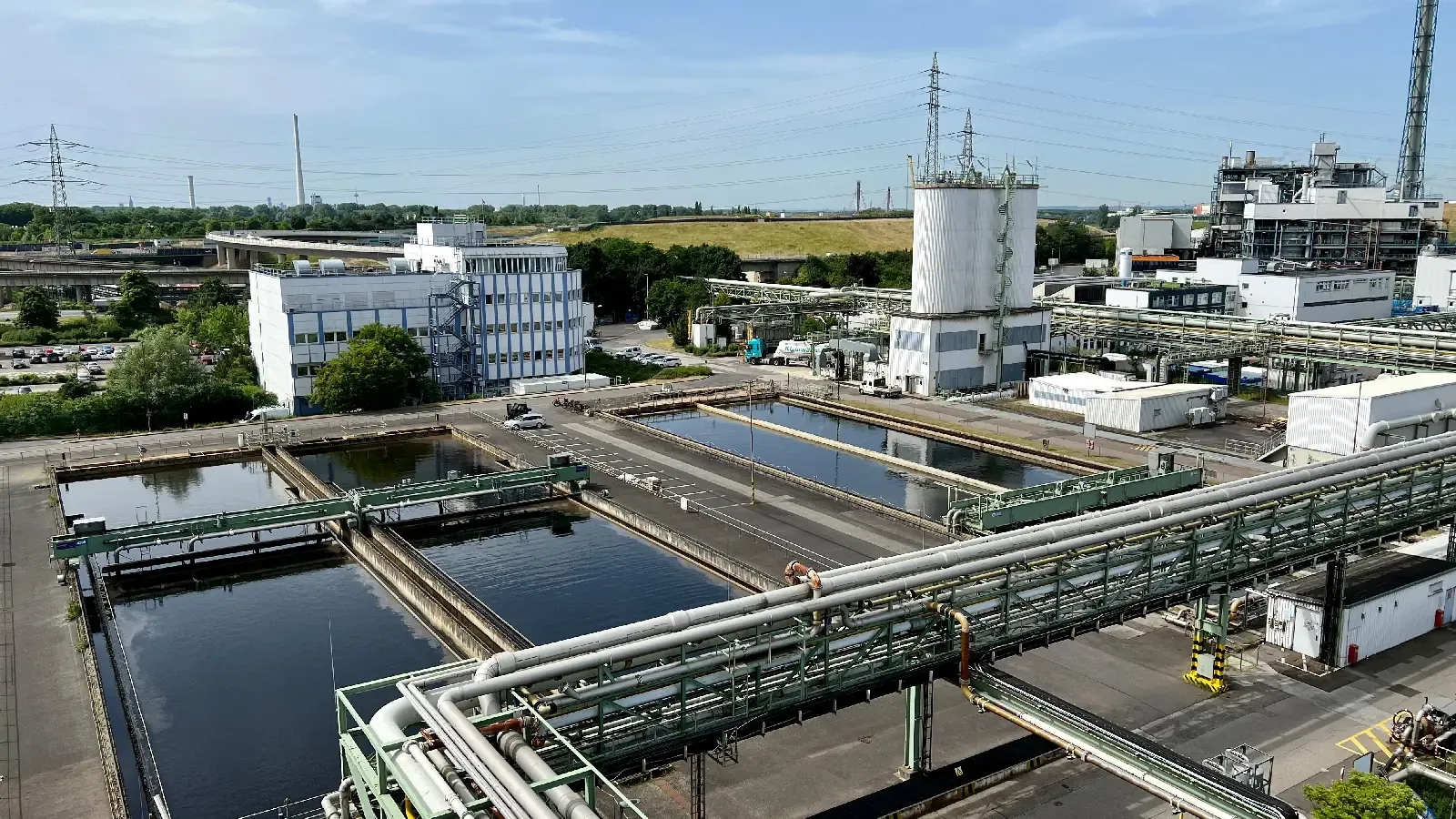
“Brownfield” describes existing industrial environments where machines, plants, and processes are already in operation. IoT solutions must integrate into this established structure rather than completely replace it.
Existing Structures as a Starting Point
In brownfield settings, there is often already a functioning production line that must not be interrupted. This makes any intervention more challenging.
Digitalization Under Real-World Conditions
Brownfield IoT must deal with age, heterogeneity, and gaps in documentation. This is precisely what distinguishes it from new projects.
Gradual Modernization Instead of Complete Replacement
The focus is usually on supplementation, not replacement. This makes brownfield projects particularly cost-effective and practical.
Why Brownfield Is the Norm for Many Companies
Most industrial companies do not operate in completely new environments, but rather with established facilities and sites. That is why brownfield is not a special case, but often the standard starting point.
Production facilities often operate for a long time
Machines and equipment are frequently operated for many years. A complete replacement is not always practical or possible.
Investments must pay off
Brownfield projects must be economically viable. IoT solutions should therefore deliver measurable added value as quickly as possible.
Existing processes must be maintained
Digital retrofitting must not unnecessarily disrupt ongoing operations. This makes implementation challenging, but realistic.
The challenges posed by brownfield projects
Brownfield projects are feasible, but they present specific challenges.
Varied plant conditions
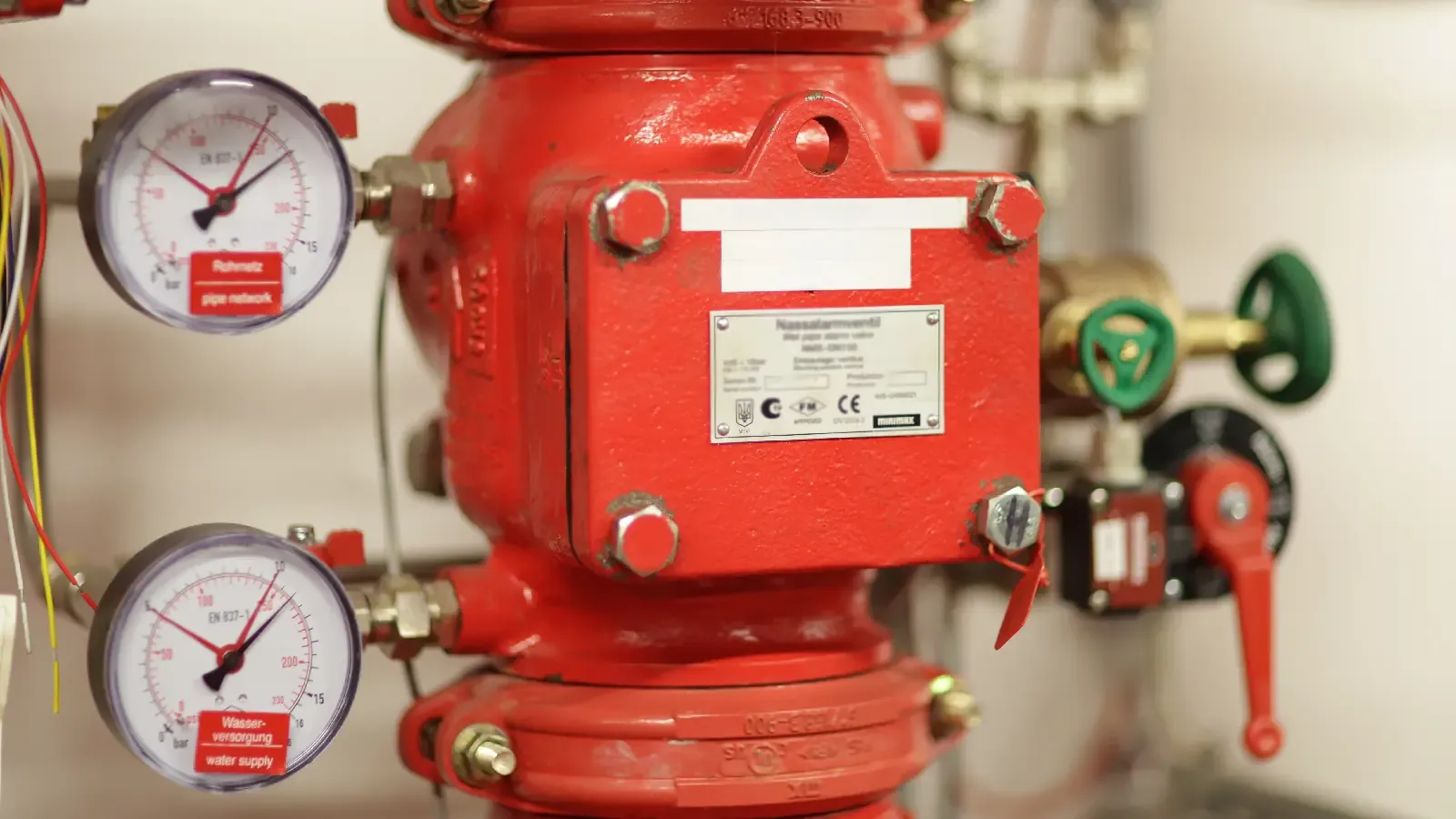
Not every machine is the same age, has the same documentation, or is equally accessible. This increases the planning effort.
Integration into ongoing processes
IoT solutions must not disrupt the production workflow. This requires close coordination with operations and maintenance.
Historically evolved IT and OT structures
In brownfield environments, different generations of systems often coexist. This complicates standardization and rollout.
The big picture is more important than the individual solution
Brownfield is rarely a one-time project. A solution must be designed in such a way that it can be expanded later.
Which IoT solutions work particularly well in brownfield environments
Not every IoT application is equally well-suited for existing environments. Some areas are particularly compatible.
Retrofit
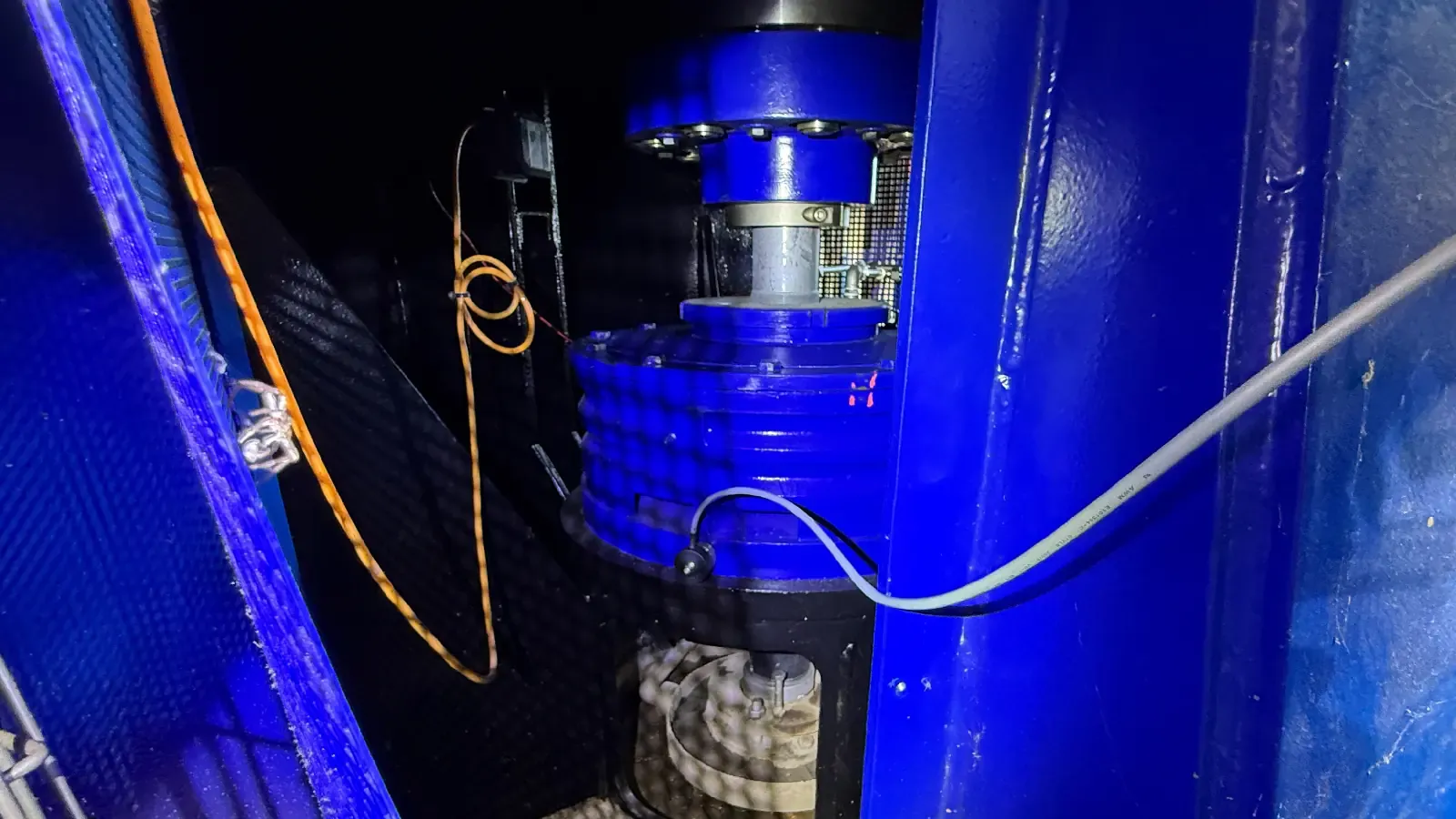
Retrofit is often the first step in making brownfield facilities IoT-capable. It adds sensors and data pathways to existing machinery.
Environmental Monitoring
Environmental monitoring systems can often be retrofitted relatively easily and provide quick benefits. This makes them ideal for brownfield projects.
Predictive Maintenance
For critical machines, their condition can be specifically monitored to prevent downtime. This is particularly valuable in brownfield environments.
Condition Monitoring
Condition monitoring is often a useful intermediate step before predictive maintenance is fully established.
Why Brownfield Needs Its Own Cluster Page
Brownfield Is More Than Just a Retrofit
A retrofit is a specific measure; Brownfield is the framework. This distinction prevents confusion between the two concepts.
Brownfield Connects Many Use Cases
This context is ideal for considering various IoT solutions together without mixing them.
Brownfield Is Strategically Relevant to Purchasing Decisions
Many decision-makers are looking specifically for solutions for existing systems, not for abstract future scenarios. That’s why this topic is particularly relevant to real-world situations.
The role of the IoT System House in this process
Brownfield projects often require a partner capable of reconciling technical and organizational realities.
Assessment and Prioritization
A system integrator can help identify which facilities and areas should be digitized first.
Technical integration
Connecting existing systems, sensors, and platforms is often more complex in brownfield projects than in new projects.
Project management and scaling
A good partner helps turn a single brownfield use case into a repeatable modernization model.
Questions Companies Should Clarify in Advance
Before implementing brownfield IoT, companies should answer a few questions.
Which systems are prioritized?
Not everything needs to be digitized at the same time. Clear prioritization is crucial.
Which modernization steps are realistic?
The solution should be tailored to the condition of the existing plant. Not every plant requires the same level of detail.
How can operations remain stable?
Brownfield IoT must always be designed with ongoing operations in mind. This requires a well-defined implementation strategy.
How can the system be scaled later?
Ideally, a brownfield project should be designed so that additional systems or locations can be added later.
Conclusion
For many industrial companies, IoT solutions in brownfield environments are the most important and realistic path to digitalization. They combine existing operational realities with step-by-step modernization, thereby delivering particularly practical added value.