In industrial settings, it is not only the availability of materials and resources that determines the process, but also the environment in which they are stored or processed. Temperature, humidity, air quality, and other environmental conditions can have a direct impact on quality, safety, and storage stability. This is precisely why environmental monitoring is a key component in the context of the IoT.
Especially at complex industrial sites with logistics, warehousing, and transshipment areas, it serves as a valuable complement to asset tracking. While asset tracking focuses on the movement of goods, environmental monitoring focuses on the conditions under which they are stored and used.
What Room and Environmental Monitoring Means
Room and environmental monitoring describes the continuous recording of environmental and room parameters in industrial areas.
Making Conditions Visible
Temperature, humidity, air quality, and other parameters are continuously monitored.
Relevance for Storage and Quality
The environment can influence whether materials or products maintain a defined level of quality.
Early warning function
Deviations can be detected early, before they lead to malfunctions or quality issues.
Which parameters are typically measured
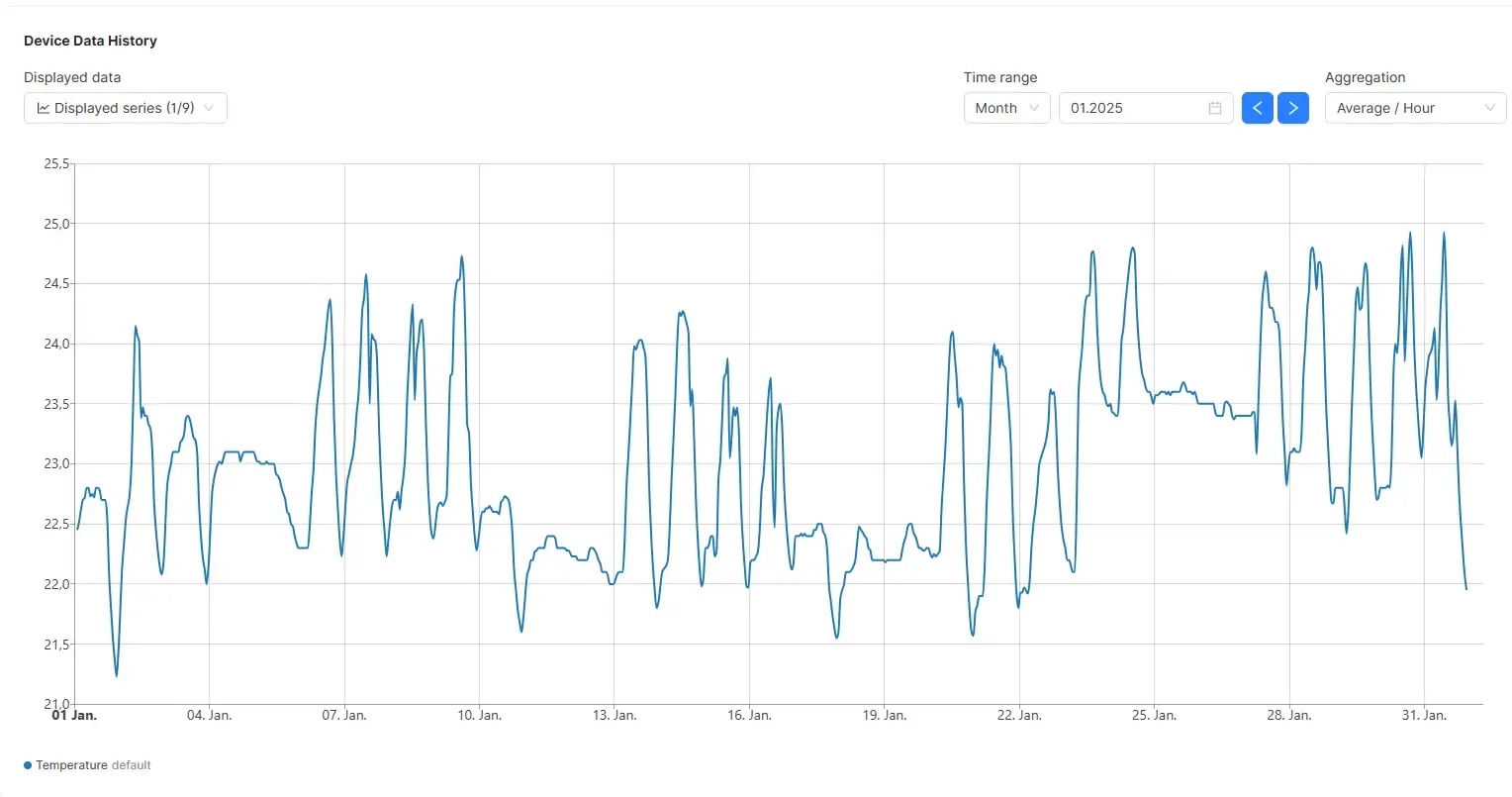
Temperature
Important for storage, process stability, and material quality.
Humidity
Particularly relevant for sensitive materials, packaging, or production environments.
Air quality
For example, CO2, particles, or other relevant environmental parameters.
Indoor climate and condition parameters
Depending on the application, other parameters such as light, pressure, or noise levels may also be relevant.
Where environmental monitoring is particularly important
Storage areas
This involves quality assurance for materials, raw materials, or products.
Transshipment and temporary storage zones
Environmental monitoring is crucial, especially at logistics hubs.
Quality-critical areas
Areas with sensitive products or critical process conditions benefit particularly.
Facility-related rooms
Technical rooms or locations with special security requirements can also be monitored.
Why the connection to asset tracking is important
Asset tracking shows where an object is located. Environmental monitoring shows the condition of the environment surrounding that object. Together, this provides a more complete picture for logistics, storage, and quality.
Movement plus Conditions
A container, vessel, or raw material can only be effectively managed when its location and environment are considered together.
Greater Process Reliability
Combining both approaches reduces risks in the material flow.
Better Quality Control
The environment becomes a decisive factor, especially for sensitive goods.
What Benefits Does the Use Case Offer?
Ensuring Quality
Deviations in warehouse or room conditions are detected more quickly.
Stabilizing Operations
Facility and operations teams receive reliable information about critical conditions.
Reducing risks
Problems caused by improper climate conditions, incorrect storage, or unnoticed violations of threshold values can be avoided.
Creating transparency
Conditions are monitored in a data-driven, traceable manner rather than through random spot checks.
Typical industrial use cases
Material Storage
Sensitive raw materials or intermediate products must be stored under defined conditions.
Packaged Goods and Containers
Even packaged goods can react to environmental conditions.
Technical and operational areas
For example, storage zones, technical rooms, or quality-critical production environments.
Areas with fluctuating conditions
Monitoring is particularly important in areas where temperature and humidity fluctuate significantly.
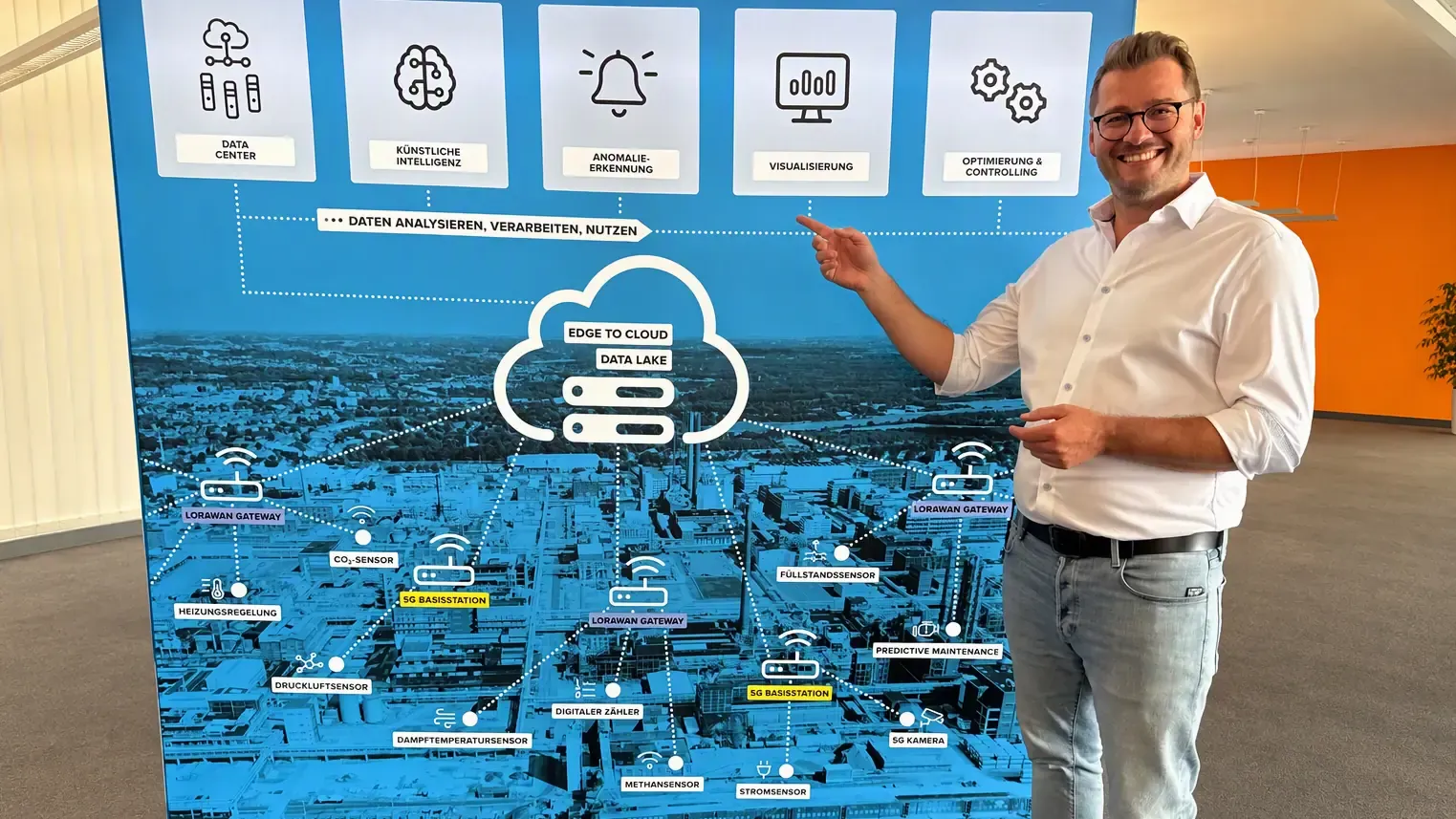
The role of sensor technology and data integration
Sensor technology as the foundation
Without suitable sensors, there can be no reliable monitoring.
Data must be continuously available
Individual measurements are usually insufficient; seamless data collection is crucial.
Integration into systems
The data should be integrated into dashboards, alerts, or operational processes.
On the role of the IoT system provider Conneqtive
An IoT system provider like Conneqtive can put together the right sensor technology, data architecture, and visualization for room and environmental monitoring.
Defining Appropriate Measurement Points
It is crucial to determine where and what should be measured.
Integration into Existing Site Processes
Monitoring must work in conjunction with facility management, logistics, and quality control.
Scaling Across Rooms or Sites
Once a monitoring system is up and running, it can often be extended to other areas.
Conclusion
Room, warehouse, and environmental monitoring is a useful industrial IoT use case that is gaining particular importance when combined with asset tracking. It supports quality, operational safety, and transparency, even though it is not typically one of the very early purchase triggers.