Industrial IoT only succeeds in the long run if the underlying IT infrastructure is robust, secure, and scalable. Sensors, machines, and applications can only capture and process data reliably if networks, connectivity, data centers, and platforms work together seamlessly.
What infrastructure does a robust industrial IoT solution require?
In industrial and safety-critical environments, infrastructure is not a side issue but the foundation of every IoT solution. Anyone aiming to achieve transparency across assets, operational availability, or automated reporting needs an architecture that combines technical stability with operational flexibility.
Why infrastructure is critical in Industrial IoT
Many IoT initiatives fail not because of the idea but because of the infrastructure. As soon as multiple plants, sites, or data sources need to be connected, weaknesses become apparent in networks, interfaces, latency, operating models, or security.
A sustainable infrastructure ensures that data is reliably captured, transmitted, processed, and made available. Without this foundation, IoT usually stalls at the pilot stage or becomes too costly in regular operation.
Infrastructure is more than technology
Infrastructure includes more than just servers or networks. It refers to the entire technical foundation: field connectivity, data paths, platform operations, authentication, access control, monitoring, and failover capability. Only when these layers work together does a robust IoT system emerge.
Industrial reality is heterogeneous
In many companies, modern systems coexist with older assets, local custom solutions, and differing operational requirements. A good infrastructure must be able to accommodate this heterogeneity without creating additional complexity.
What building blocks an IoT infrastructure comprises
A robust IT infrastructure for Industrial IoT typically consists of several layers that build on one another.
Field and device layer
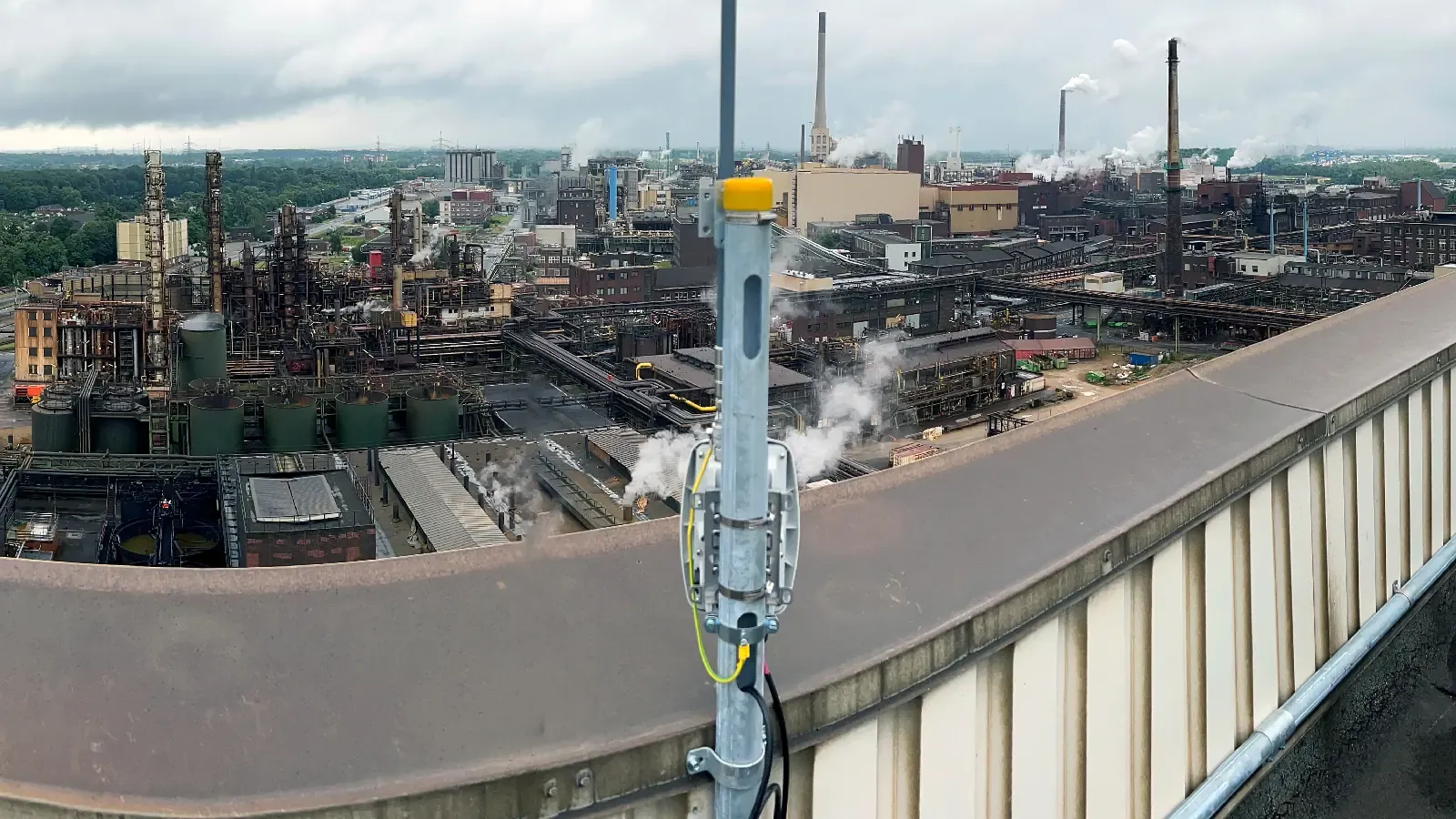
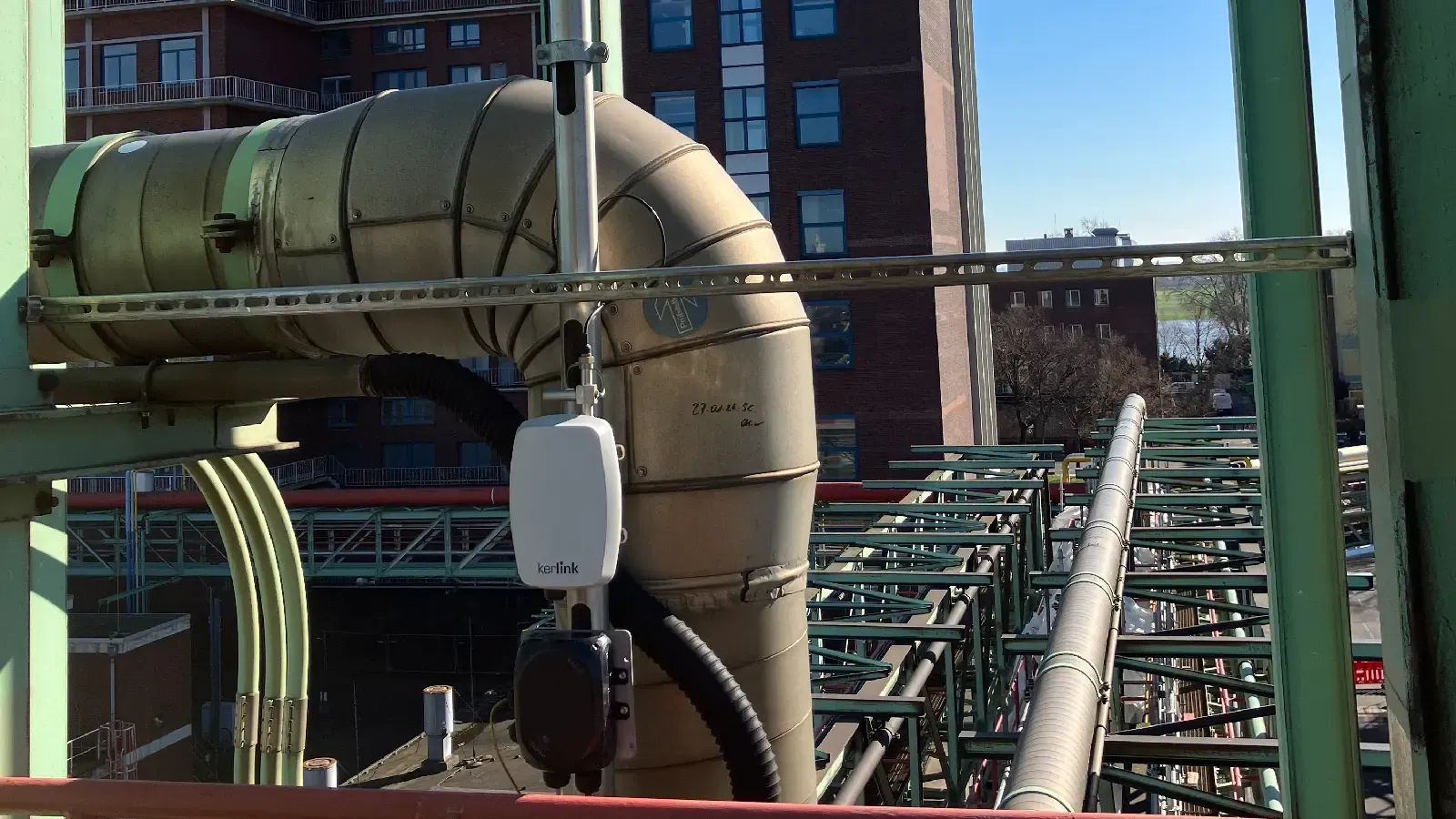
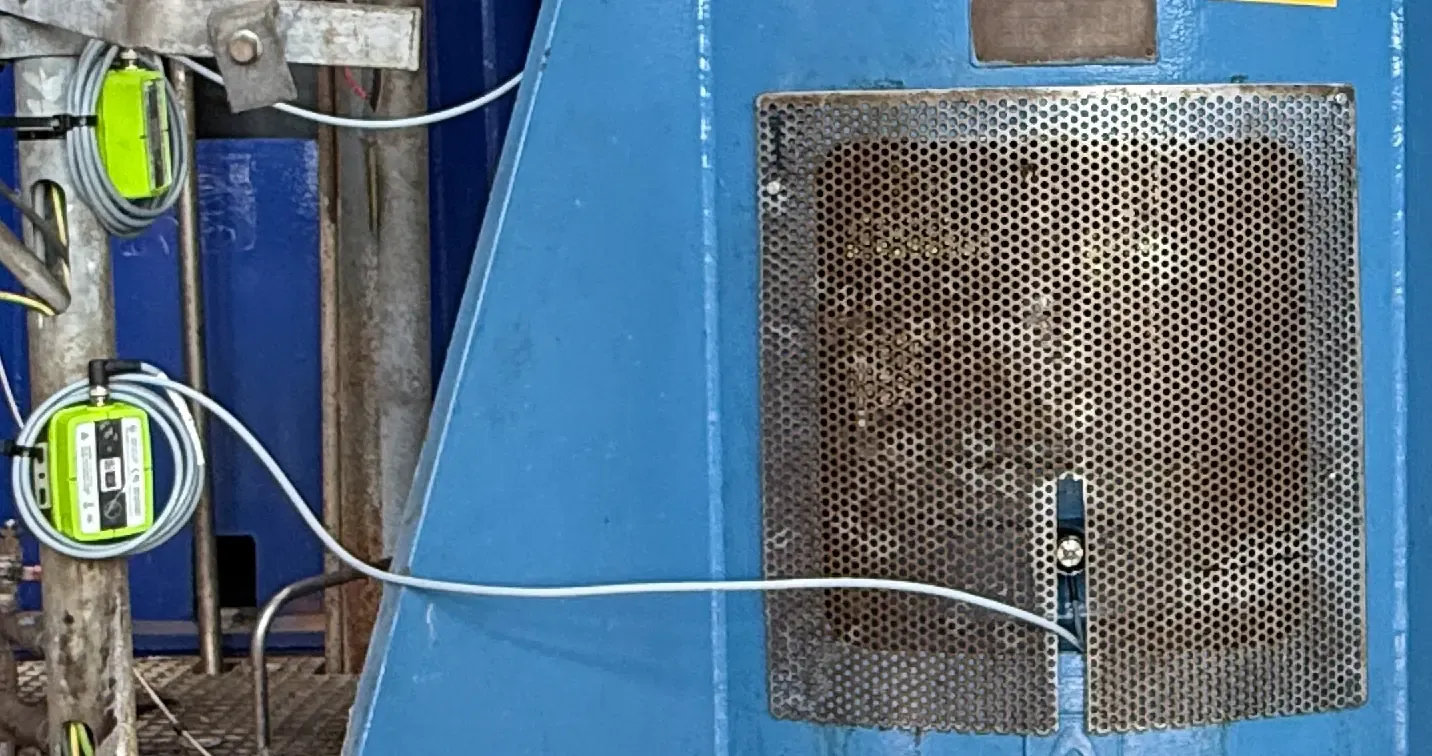
This is where sensors, machines, controllers, and gateways reside. They capture states, measured values, and events, forming the basis for all downstream applications. It is important that the devices can be integrated into the overall system and operated reliably.
Networks and connectivity
Data must be transported securely and reliably from the field to the platform. This includes LAN, WAN, or mobile networks as well as secure connection paths between plants, sites, and data center or cloud components. Robust connectivity is especially critical in industrial environments.
Data center and hosting
Data must be processed, stored, and made available. This requires a stable hosting or data center structure that ensures availability, security, scaling, and operations. Depending on the use case, this can be organized locally, centrally, or in hybrid form.
Platform and application layer
At the platform layer, data is collected, analyzed, and made usable for business applications. This includes dashboards, alerting, reports, interfaces to third-party systems, and, where applicable, AI or analytics functions.
Security and access management
An IoT infrastructure must be protected against unauthorized access, manipulation, and outages. This includes identity and access management, segmentation, encryption, logging, and continuous monitoring.
What requirements industrial IoT infrastructure must meet
Industrial IoT places high demands on the technical foundation. The infrastructure must not only work but also hold up permanently in ongoing operations.
Availability
Many industrial applications depend on continuous data streams. Networks, platforms, and data centers must therefore be designed for high availability. Otherwise, outages directly affect operations, transparency, and responsiveness.
Scalability
A solution that works at one site cannot automatically be transferred to additional plants or applications. A good infrastructure is therefore designed so that it can scale without having to be developed from scratch each time.
Security
The more production and operational data is networked, the more important a robust security concept becomes. This applies to technical protection mechanisms as well as to processes, roles, and access models.
Integration capability
The infrastructure must be able to incorporate existing systems. In practice, this means that different protocols, systems, assets, and operating models must be brought together without destabilizing the installed base.
What role the data center plays in IoT
The data center is a central building block of every industrial IoT architecture. This is where data converges, is processed, and is made available for further use. A robust data center ensures that IoT solutions are not only technically feasible but also sustainably operable.
Central data processing
IoT generates large volumes of operational data. This data must be captured and processed in a structured way so that it can be used for monitoring, reporting, or analysis. The data center provides the technical foundation for this.
Availability and location considerations
For industrial companies in particular, availability, latency, and trust in the location play an important role. Depending on requirements, a local, German, or European data center can offer strategic advantages, for example with regard to data protection, control, and operational security.
The data center as an operational anchor
An IoT solution needs a stable location for storage, analysis, and application operations. The data center is therefore not just infrastructure but a central operational anchor of the overall model.
Why connectivity is critical in Industrial IoT
Without stable connectivity, there is no industrial IoT. Sensors, machines, and platforms must be securely connected to one another — both within a single site and across sites.
Reliable data transmission
If data is transmitted incompletely, with delays, or insecurely, the solution loses its value. Connectivity must therefore be aligned with the respective requirements: real-time, near-real-time, or asynchronous data transmission.
Segmentation and protection
Connectivity must be designed so that not every component can communicate directly with every other one. Segmentation, defined access points, and secure transitions between the OT and IT worlds are among the basic principles of an industrial IoT architecture.
Scalable connectivity
A good connectivity concept supports not just a single use case but can be extended to additional machines, lines, or plants. This is especially important if companies want to integrate additional use cases later on.
Why platform operations are part of the infrastructure
In many projects, the platform is regarded as a purely software component. In reality, however, its operation is also part of the solution's critical infrastructure. Only if platforms run stably can data be used and processes supported.
Operation, not just provisioning
A platform must be monitored, maintained, updated, and secured. This includes monitoring, backup, error handling, and ongoing development. Anyone who fails to account for these tasks risks instability in ongoing operations.
Data availability for business units
Even the best IoT infrastructure is of little use if business units have no reliable access to the data. Platforms, interfaces, and analyses must therefore be set up so that they are genuinely usable in day-to-day work.
What an IoT System House delivers in this area
An IoT System House combines the individual infrastructure building blocks into a functioning overall architecture. It evaluates technical options, integrates existing systems, and ensures that infrastructure and operations fit together.
Typical tasks include:
- Architecture consulting.
- Selection of suitable network and platform components.
- Integration of field devices and existing systems.
- Setup of data center and hosting structures.
- Security design.
- Operating models and managed services.
Infrastructure as part of the overall system
Infrastructure must not be considered in isolation. It has to match the use case, the security requirements, and the operating model. An IoT System House ensures precisely that these layers are aligned with one another.
Which questions companies should clarify in advance
Before an IoT infrastructure is planned, companies should answer a few key questions:
- Which data sources are to be connected?
- What level of availability is required?
- How many sites or plants are to be integrated?
- Which security and compliance requirements apply?
- How is the solution to be operated?
- Which systems need to be connected?
- What scaling is planned in the medium and long term?
The more clearly these questions are answered, the more robustly the infrastructure can be designed.
Conclusion
IT infrastructure is the foundation of every industrial IoT solution. Networks, data centers, connectivity, platform operations, and security must be set up to withstand the demands of everyday industrial operations. Only then can IoT create lasting value.
For companies, this means: anyone looking to build Industrial IoT strategically should not treat infrastructure as a technical side issue but as a key prerequisite for security, scalability, and operational reliability.
Read more here
The article "Regulated Connectivity - Provider Status in IoT" explains why regulated network operation is especially relevant for safety-critical applications.