Condition monitoring involves continuously monitoring the condition of machines, systems, or components and identifying deviations at an early stage. With IoT, this condition monitoring becomes significantly more powerful because data can be automatically collected, transmitted, and analyzed. This provides transparency into what is currently happening in the system without the need for manual checks.
For industry, condition monitoring with IoT offers a crucial advantage: When the condition and performance trends of a machine are known, operations and maintenance teams can respond more effectively, identify risks earlier, and better prevent downtime. Condition monitoring is therefore a very pragmatic and often rapid entry point into data-driven maintenance and plant control.
What Condition Monitoring with IoT Means
Condition monitoring describes the ongoing monitoring of the actual condition of plants or components. IoT makes this approach digital, scalable, and continuously usable.
Making Conditions Measurable
Sensors record relevant values such as vibrations, temperature, operational behavior, or other condition indicators. This makes the machine’s condition objectively visible.
Continuous Monitoring
Unlike sporadic inspections, data is collected continuously. This allows changes to be detected early.
Transparency Instead of Assumptions
Condition monitoring does not replace technical expertise, but it makes it data-driven and traceable. This leads to better-informed decisions.
Why Condition Monitoring Is So Important in Industry
Many industrial problems show early warning signs before they lead to a failure. Condition monitoring helps make these signs visible.
Early warning of malfunctions
When values change, this can indicate wear, stress, or other problems. Early detection increases responsiveness.
Improved operational reliability
Those who know the condition of their equipment can identify critical developments in a timely manner and take corrective action.
More Predictable Maintenance
Instead of relying solely on fixed intervals, maintenance decisions can be based more closely on the actual condition of the equipment. This improves predictability.
Which Data Is Relevant for Condition Monitoring
The specific data depends on the machine, system, and application. The following values are used particularly frequently.
Vibrations
Vibration data is a key indicator of mechanical changes. It is particularly important for rotating or loaded components.
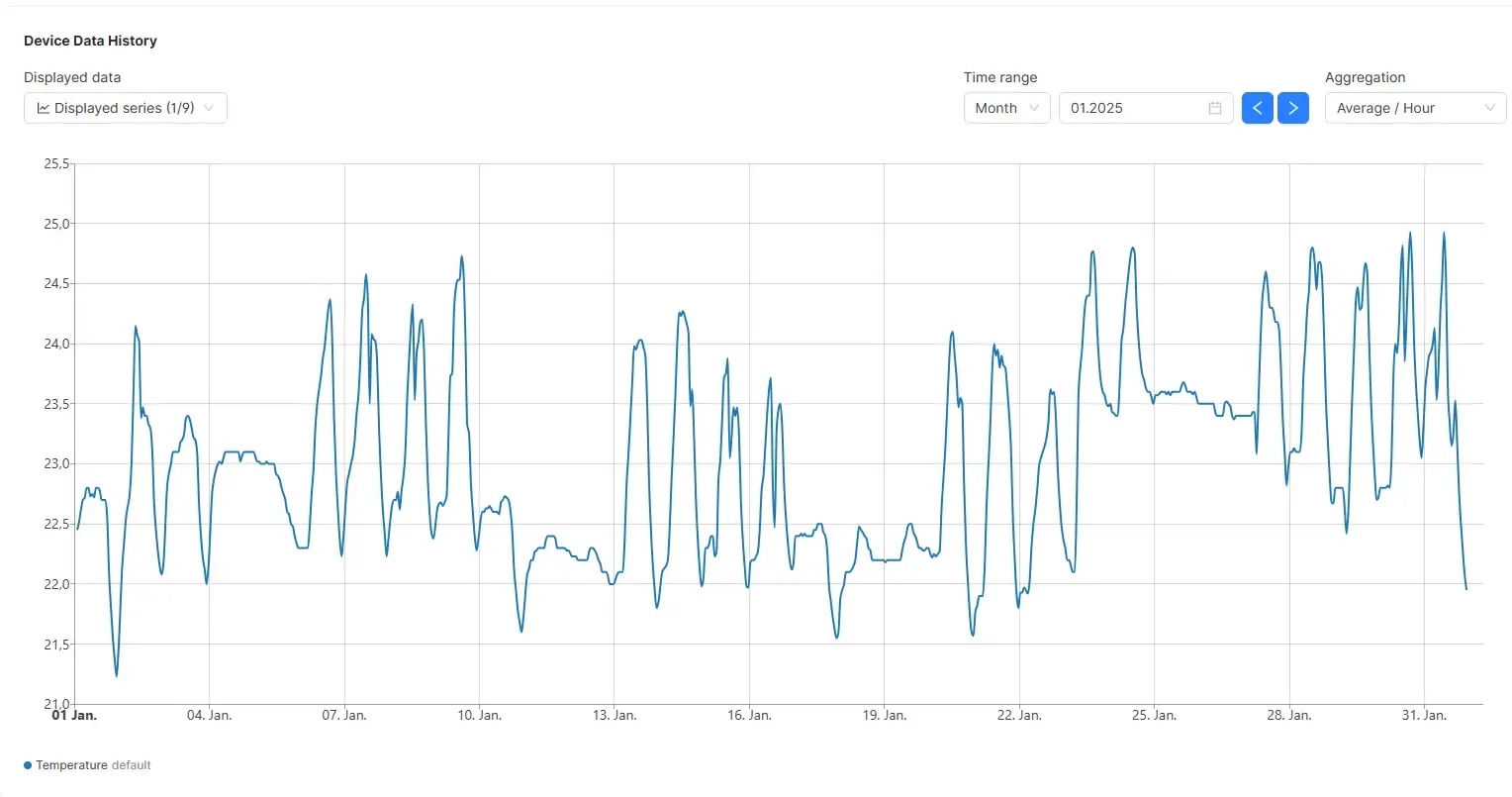
Temperature
Temperature changes can indicate friction, overload, or technical problems.
Runtime and operating status
Operating data such as runtimes, switching cycles, or status changes can also provide important insights.
Additional status values
Depending on the application, pressure, current consumption, or other physical values may be relevant. It is always important to consider the specific context of the system.
The Benefits of Condition Monitoring
Condition monitoring is often a particularly pragmatic use case because it can deliver benefits quickly.
Earlier Detection of Problems
Changes become apparent before a major failure occurs.
Better Prioritization
Not every machine requires the same level of attention. Condition data helps identify critical areas.
Greater transparency for operations and maintenance
Both departments gain a shared data foundation, enabling them to collaborate more effectively.
Foundation for Predictive Maintenance
Condition monitoring is often the first step toward predictive maintenance. It creates the data foundation on which future predictions can be based.
What’s the Difference from Predictive Maintenance?
The terms are often used interchangeably, but should be clearly distinguished.
Condition monitoring describes the current state
The goal here is to determine how a system is currently performing.
Predictive Maintenance goes one step further
Here, the goal is to use the condition data to determine future maintenance needs.
The two go hand in hand but are not identical
Condition monitoring is the foundation; predictive maintenance is the more advanced application. This distinction should remain clear throughout the article.
Where condition monitoring is particularly useful
Not every system needs predictive maintenance right away, but many systems are already benefiting from proper condition monitoring.
Critical machines
When a failure has immediate consequences for production, condition monitoring is particularly valuable.
Rotating components
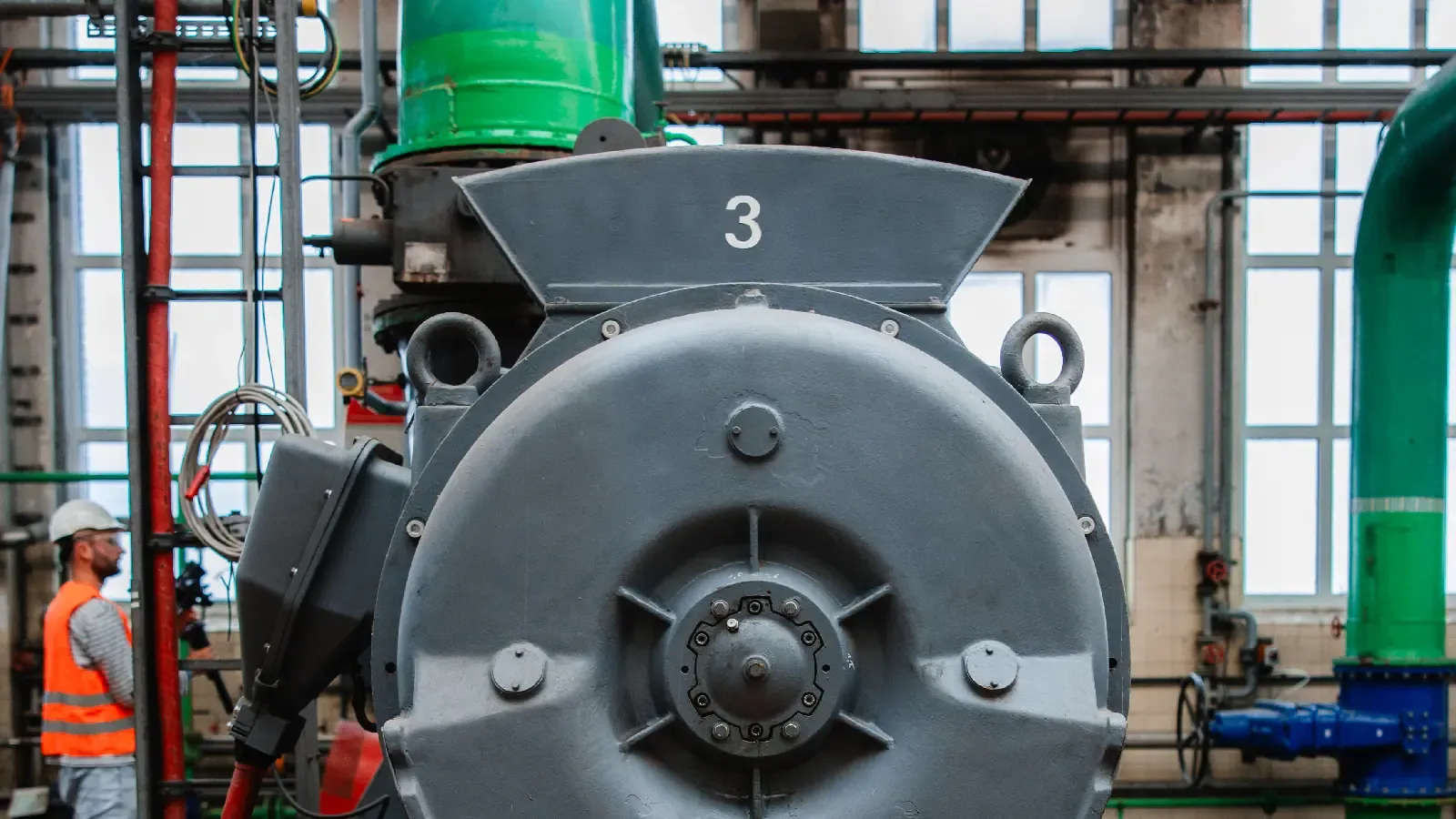
Motors, pumps, fans, and bearings are typical applications for condition data.
Brownfield environments
In existing facilities, condition monitoring can be a good starting point because it can be implemented in a relatively focused manner.
High-Load Facilities
Where machines are subjected to heavy loads, continuous monitoring helps identify risks earlier.
The Role of the IoT System Provider
Condition monitoring is technically less complex than some larger IoT projects, but it still requires careful implementation.
Selecting Suitable Sensors
The system integrator helps define the appropriate measurement points and sensors.
Linking Data and Operations
The data collected must be integrated into maintenance and operations to be effective.
Considering scalability
A good partner ensures that an initial monitoring setup can later evolve into a broader use case.
Questions companies should clarify in advance
Before getting started, a few fundamentals should be clarified.
Which systems or components should be monitored?
Clear prioritization is important to ensure the initial implementation remains meaningful.
Which condition data is relevant?
Not every measurable parameter is operationally relevant. What matters is how it relates to the system’s behavior.
Who responds to anomalies?
Condition monitoring is only effective if it’s clear how alerts are handled.
How is the benefit measured?
Key metrics such as response time, reduction in downtime, or improved predictability help evaluate success.
Conclusion
Condition monitoring with IoT is a very practical and valuable introduction to data-driven monitoring of industrial plants. It provides transparency into the current machine condition, supports operations and maintenance, and lays the foundation for advanced maintenance models.