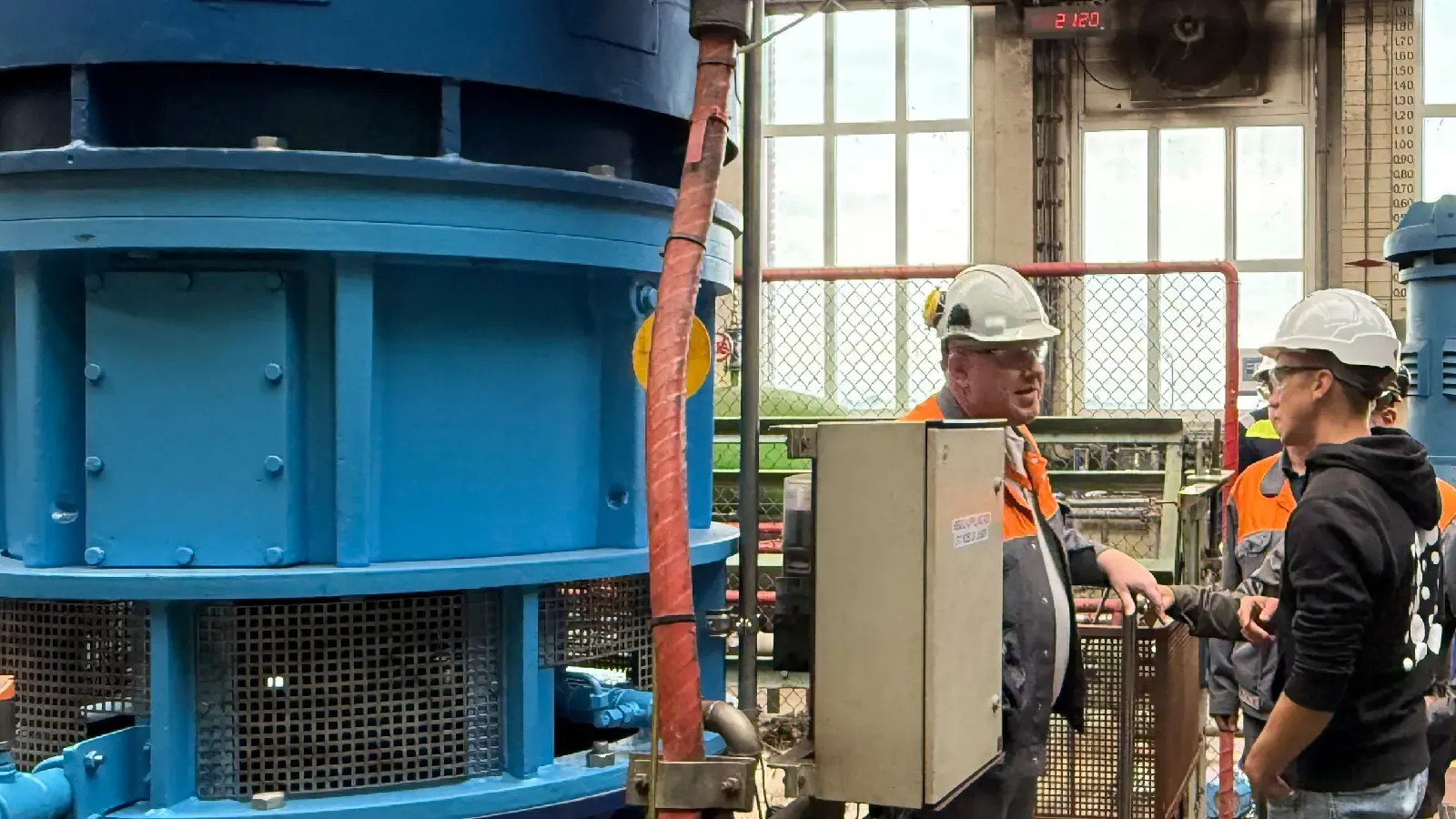
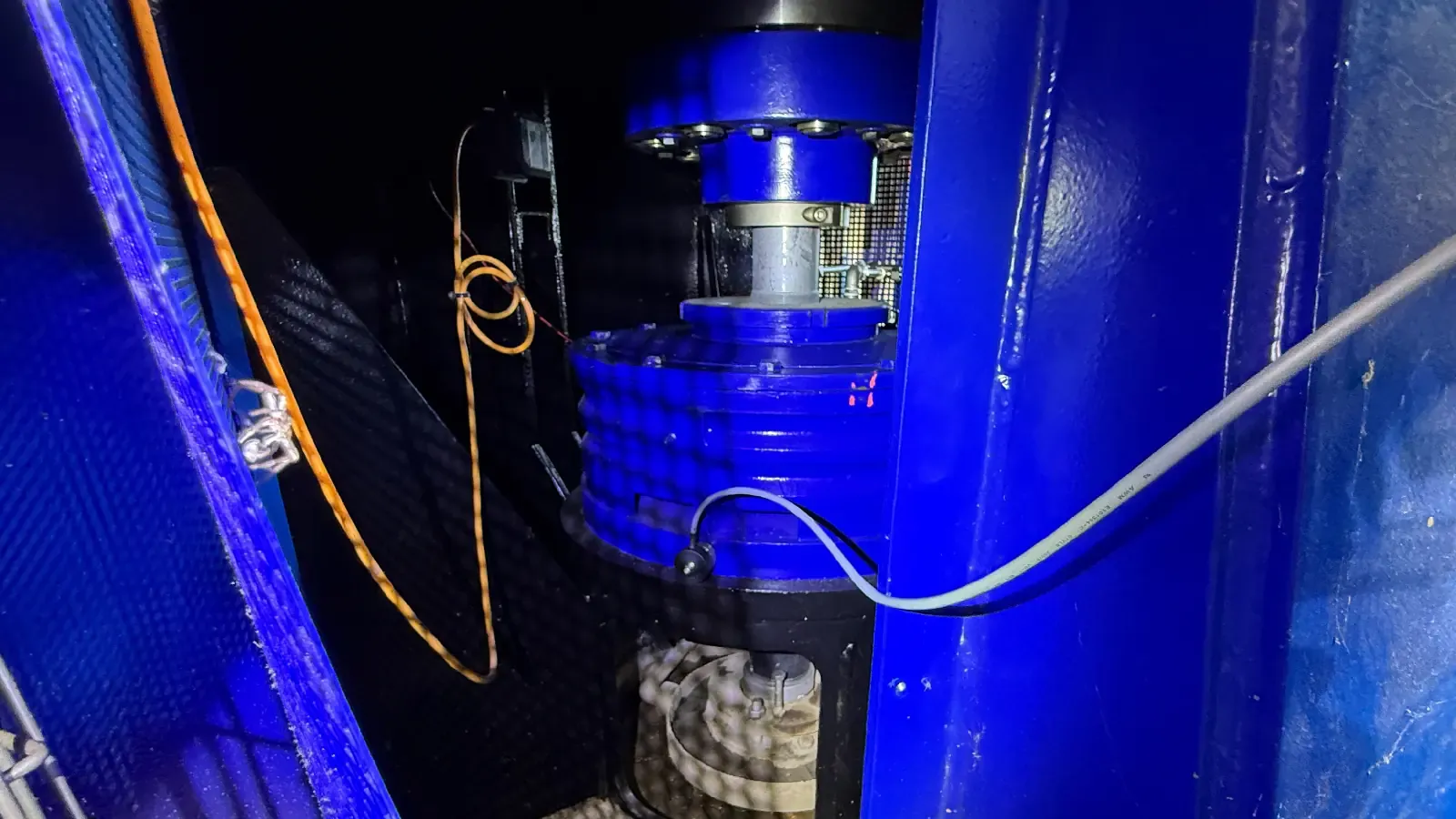
Many industrial companies work with a machine pool that has grown over years or decades. These assets are often reliable, but their digital capabilities are limited. IoT retrofit offers a pragmatic way to equip existing machines with sensors, connectivity, and data processing without having to replace them entirely.
This is precisely why retrofit is such an important entry point into industrial IoT solutions. It allows companies to create transparency, monitor conditions, and implement initial data-based optimizations without having to invest in a complete overhaul right away.
Why retrofit is so relevant for industry
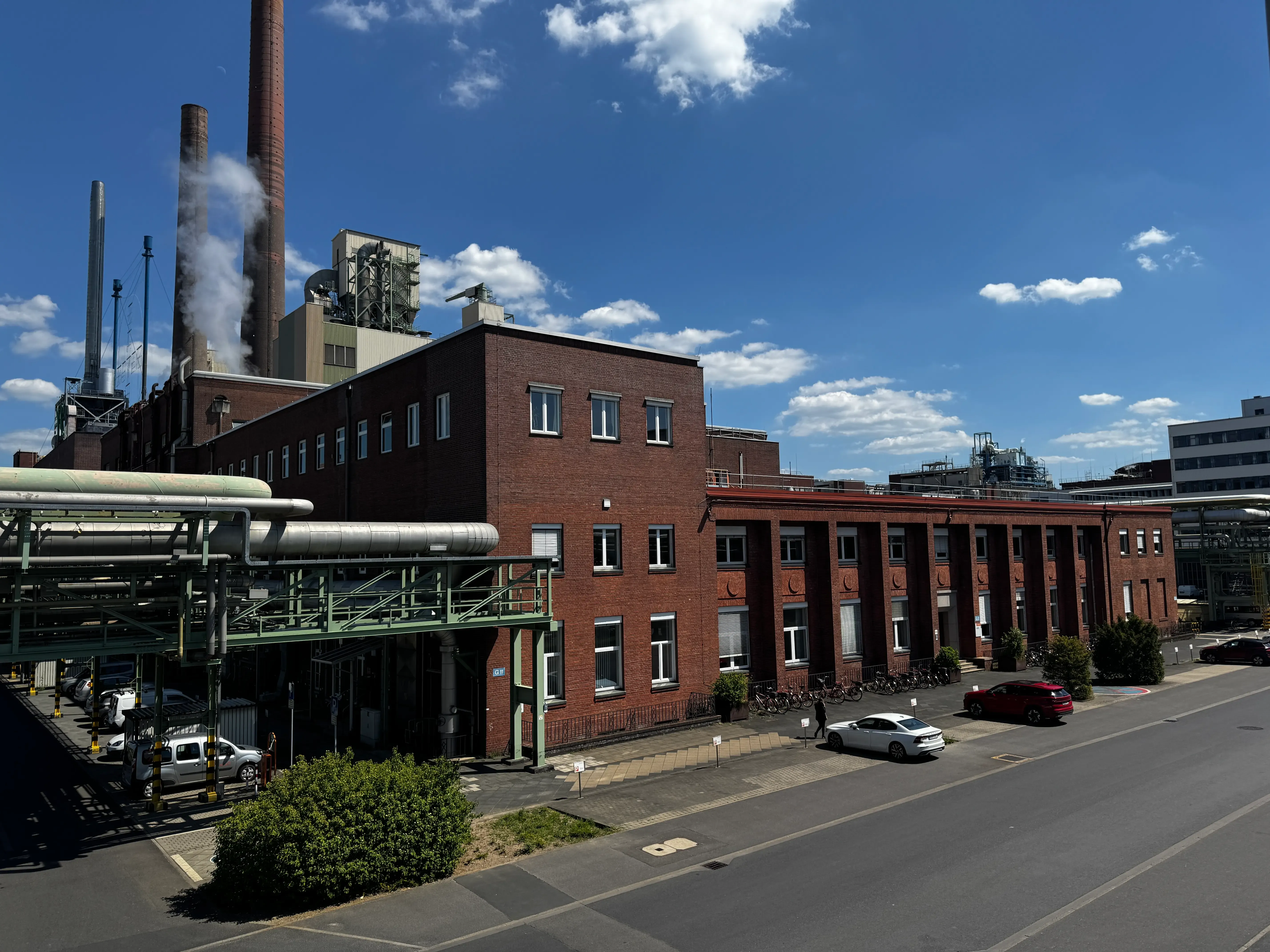
In many operations, the reality is not a greenfield site but the existing machine pool. Retrofit is therefore not a special case, but often the most realistic path toward IoT.
Legacy assets are economically important
Older assets are often still productive and are intended to be used for as long as possible. Replacing them is not always economically viable or feasible in the short term.
Digitalization has to start with reality
IoT projects need to start where actual operations take place. Retrofit makes exactly that possible, because it complements existing structures instead of replacing them.
Getting started is often faster and more affordable
Retrofitting individual components is in many cases significantly easier to implement than building something entirely new. This lowers the barriers to entry and reduces project risk.
What IoT retrofit means in practice
In an IoT context, retrofit means equipping existing assets with digital capabilities. Depending on the use case, this includes sensors, gateways, communication modules, data platforms, and visualization.
Retrofitting sensors
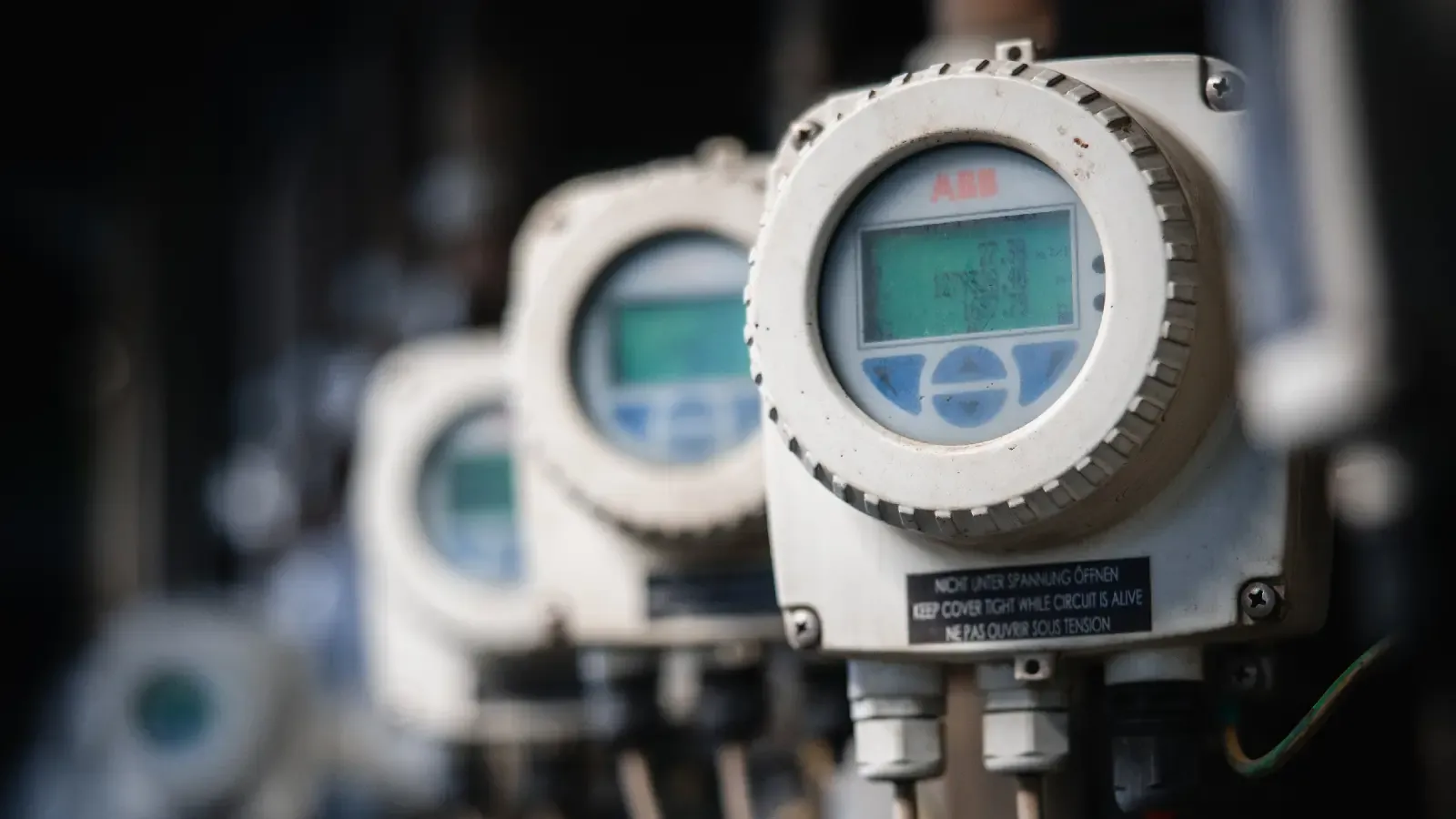
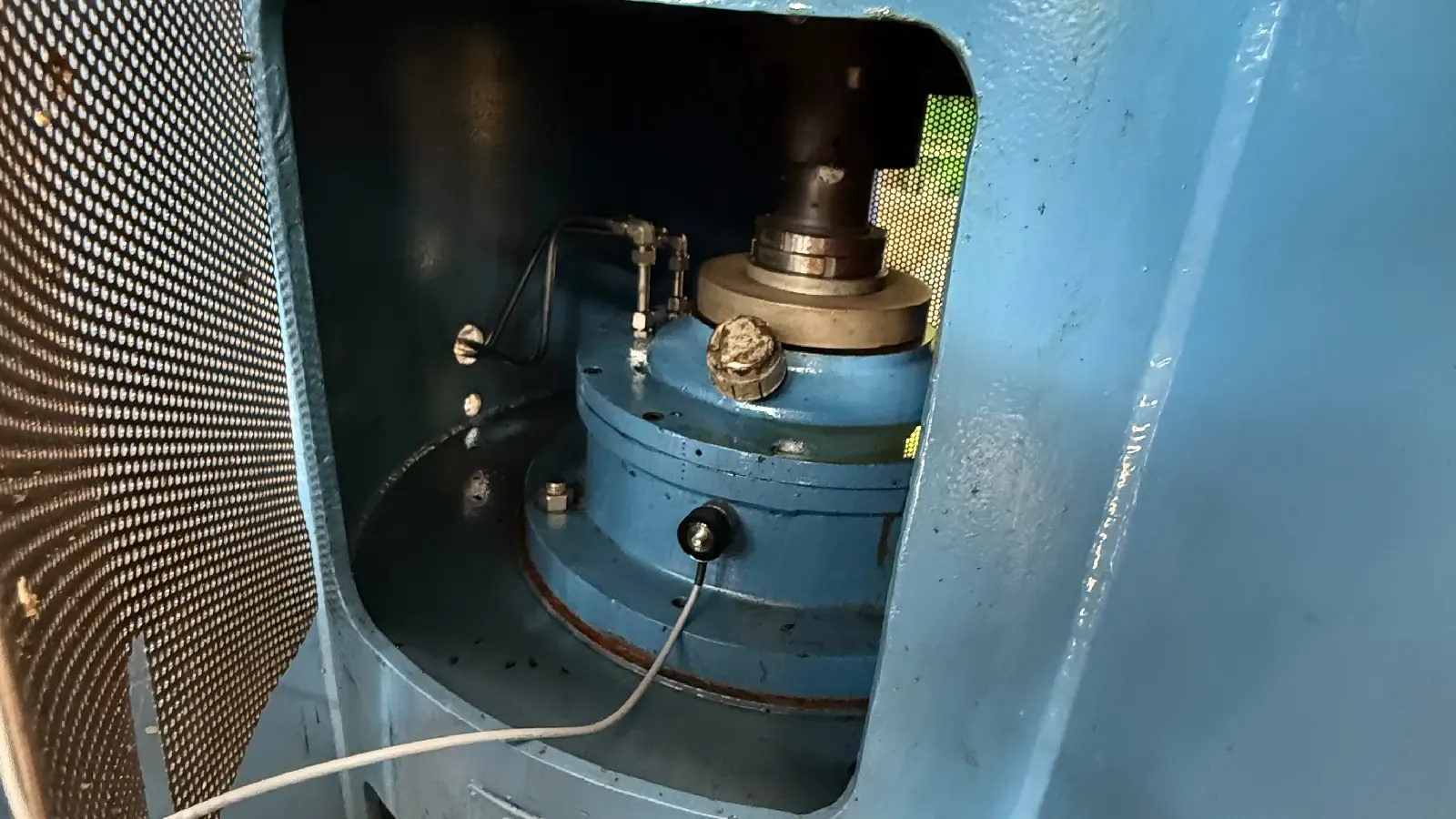
A common first step is retrofitting sensors on machines or assets. This makes conditions, values, or movements measurable that were not previously captured.
Making data visible
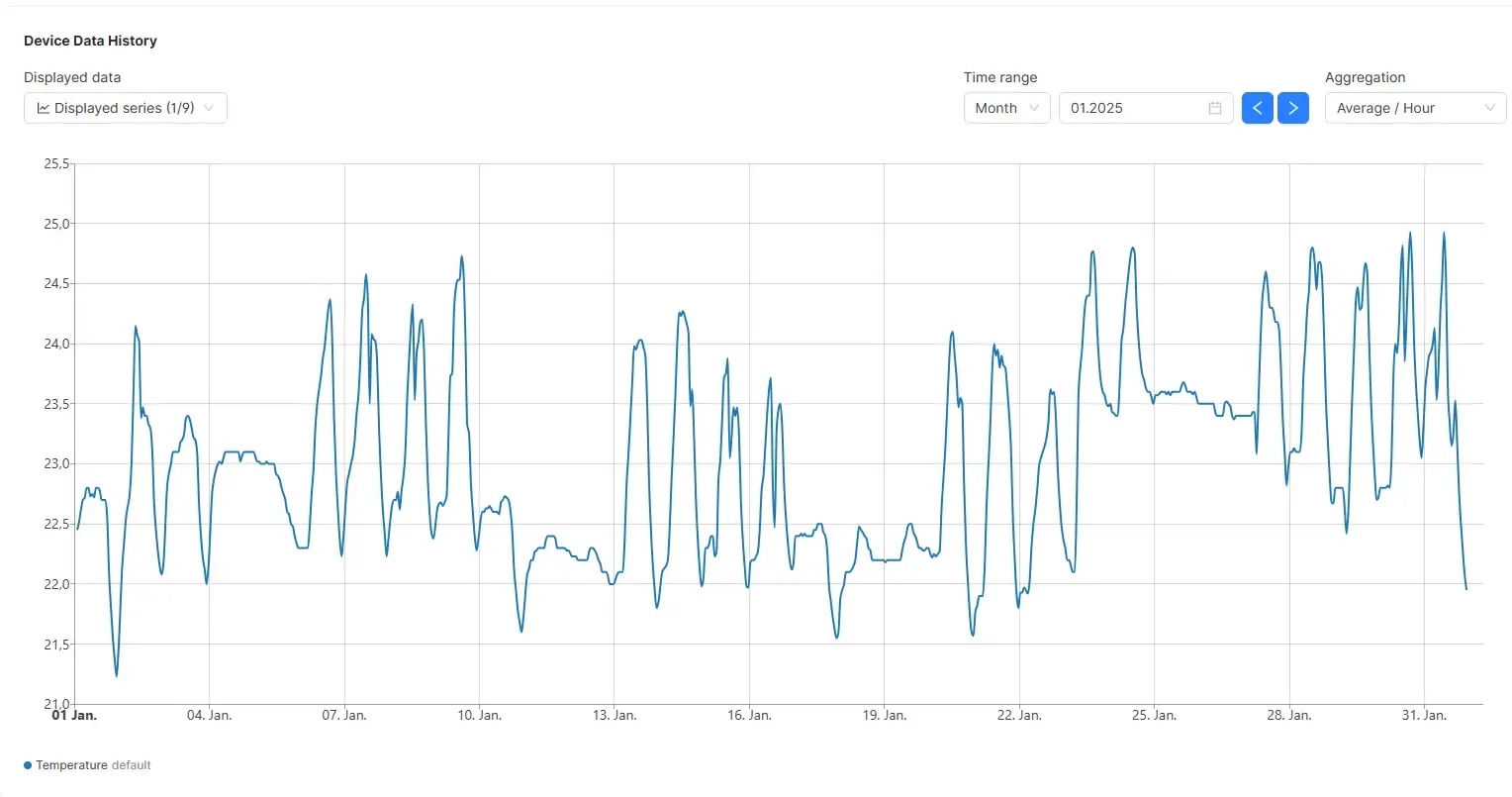
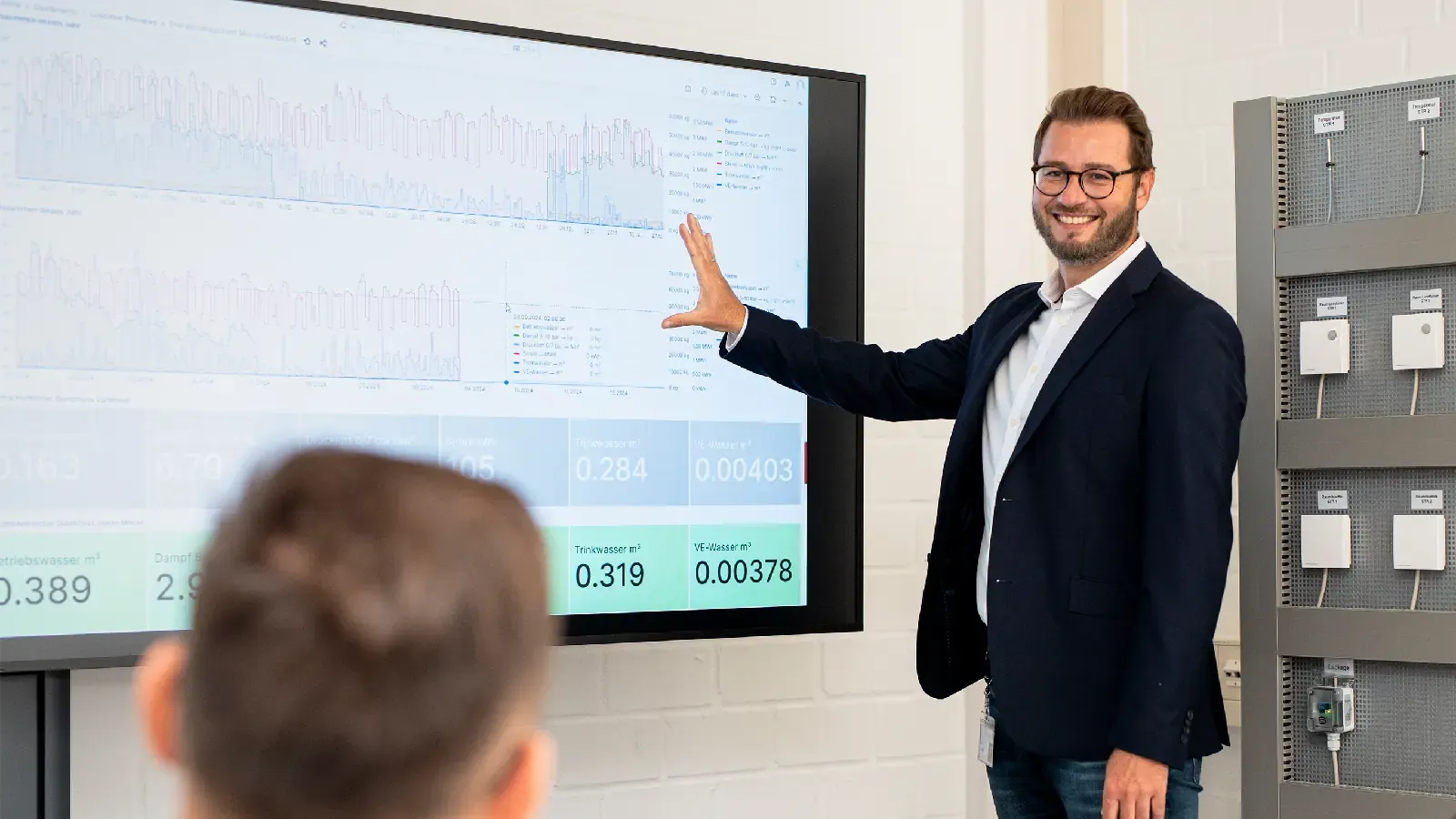
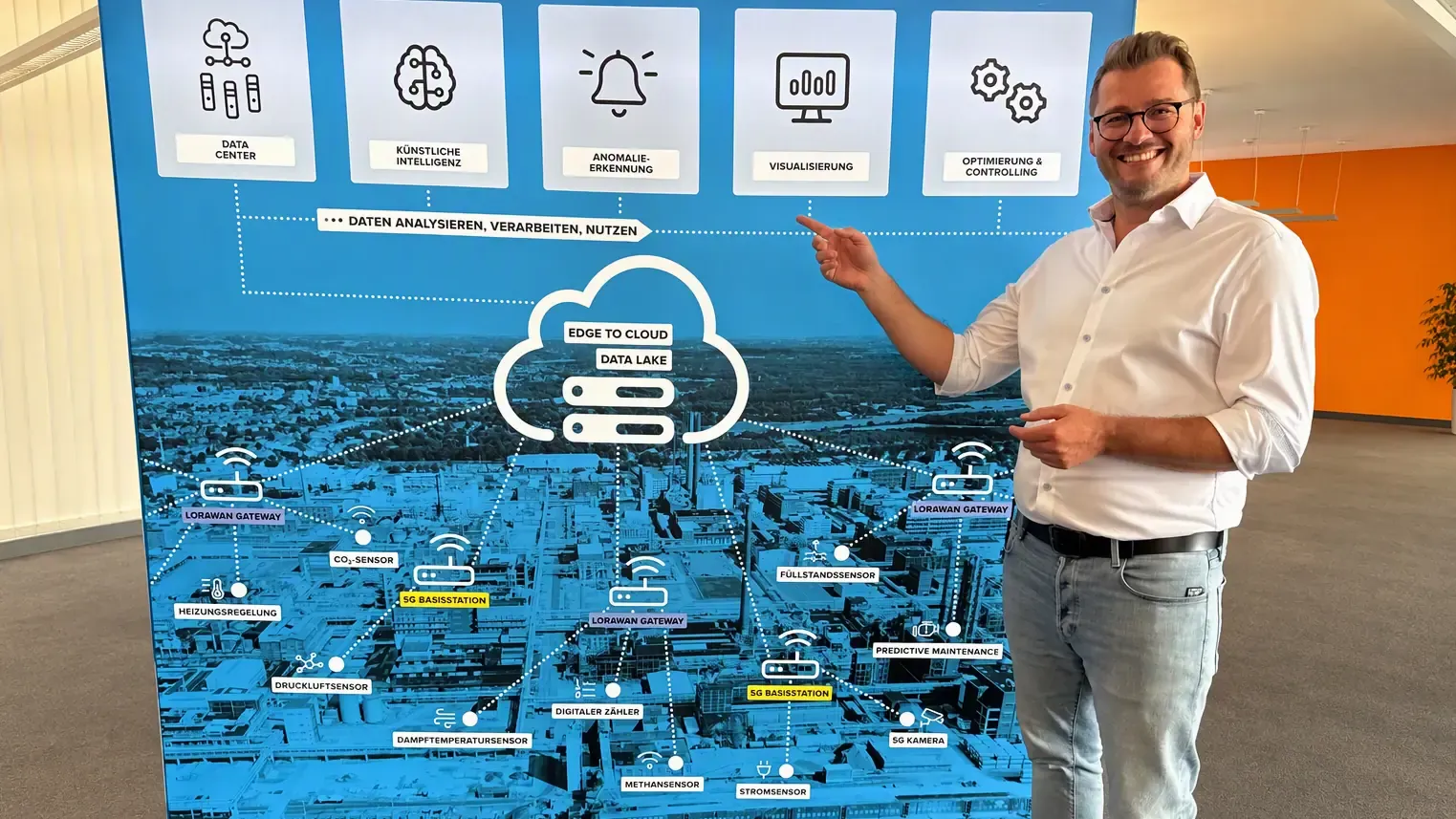
The captured values are transmitted to an IoT solution and processed there. This creates transparency, alarms, and a basis for decision-making.
Complementing existing processes
Retrofit does not fundamentally change ongoing operations; it complements them with digital information. That is exactly what makes it attractive for many companies.
The benefits retrofit offers
IoT retrofit brings several benefits that are particularly relevant for existing production environments.
Lower investment requirements
Instead of replacing assets entirely, existing systems are complemented in a targeted way. This is often significantly more attractive from an economic perspective.
Faster transparency
Even individual retrofitted sensors can deliver valuable insights into the condition of an asset. This creates visible value earlier on.
Greater planning reliability
When asset conditions are better known, maintenance, operations, and optimization can be planned more precisely.
A better foundation for further IoT steps
Retrofit is frequently the first step toward broader digitalization. A single use case can later grow into a scalable IoT solution.
When retrofit is the right choice
Retrofit is not the best solution in every situation, but it makes particular sense in many industrial contexts.
When assets are to remain in use
If a machine pool is still working economically, retrofitting is often more worthwhile than replacement.
When fast results are required
Retrofit can create value comparatively quickly because only certain parts of the system are supplemented.
When you are dealing with brownfield operations
Especially in production environments that have grown over time, retrofit is often the realistic entry point into IoT. It helps introduce digital functions step by step.
When risk needs to be kept low
Retrofitting individual components is usually easier to control than a major conversion. This can significantly reduce project risk.
The challenges retrofit brings with it
Retrofit is pragmatic, but not trivial. In existing plants in particular, technical and organizational questions need to be clarified carefully.
Varying asset conditions
Not every machine is of the same age, equally well documented, or equally accessible. This makes standardization more difficult.
Integration into existing processes
The new IoT functionality has to work in harmony with ongoing operations. This concerns both technical and organizational aspects.
Dependency on the existing environment
Depending on the age and condition of the asset, retrofitting can involve varying levels of effort. Retrofit therefore requires a realistic on-site assessment.
Scaling requires standards
A single successful retrofit project is not yet a scalable solution. For later rollouts to work, patterns and standards have to be defined.
Which use cases are particularly well suited
Not every asset needs a comprehensive IoT solution right away. It is often worth starting with clearly defined use cases.
Condition monitoring
Retrofit is very well suited to making machine conditions visible and detecting anomalies early.
Maintenance support
Retrofitted sensors can help assess maintenance needs more accurately and make measures easier to plan.
Energy and consumption transparency
Consumption data can also frequently be captured and analyzed through retrofitting. This is particularly relevant for efficiency and sustainability topics.
Asset benchmarking and optimization
When several similar assets are retrofitted, conditions and utilization can be compared more effectively. This creates additional optimization potential.
How retrofit differs from the brownfield topic
Retrofit is the measure, brownfield is the context
Retrofit describes the specific upgrade. Brownfield describes the industrial environment, grown over time, in which this upgrade takes place.
Retrofit can be part of a brownfield strategy
Many companies use retrofit as an entry point into more comprehensive brownfield digitalization. The article should therefore clearly connect to that topic.
Keeping them separate avoids redundancy
If brownfield later appears as its own cluster, this article should focus on the retrofit itself and not fully anticipate the brownfield topic.
The role of the IoT System House
Retrofit is often not a standard product but a project with many dependencies. This is why working with an IoT System House is especially valuable.
Assessing the starting position
A systems integrator can assess which retrofit measures are technically sensible and economically viable.
Selecting the right components
Sensors, data paths, and the platform have to fit the existing asset. This is exactly where an integrated project approach helps.
From pilot to scale-up
Once retrofit works on a first asset, the systems integrator can help turn it into a repeatable model.
Conclusion
IoT retrofit is one of the most important and most practical ways to make legacy assets digitally usable. It combines economic common sense with technical progress and is particularly well suited to companies that want to start with their existing machine pool.
The article should therefore clearly highlight the benefits of retrofitting, transparency, and step-by-step modernization. This makes retrofit a strong entry point into the entire world of IoT solutions.
Further reading:
- IoT solutions for industry
- IoT solutions in brownfield environments
- Condition monitoring with IoT
- Predictive maintenance with vibration sensors
- IoT dashboards and visualization
- From PoC to a scalable IoT solution
- Energy and consumption monitoring with IoT