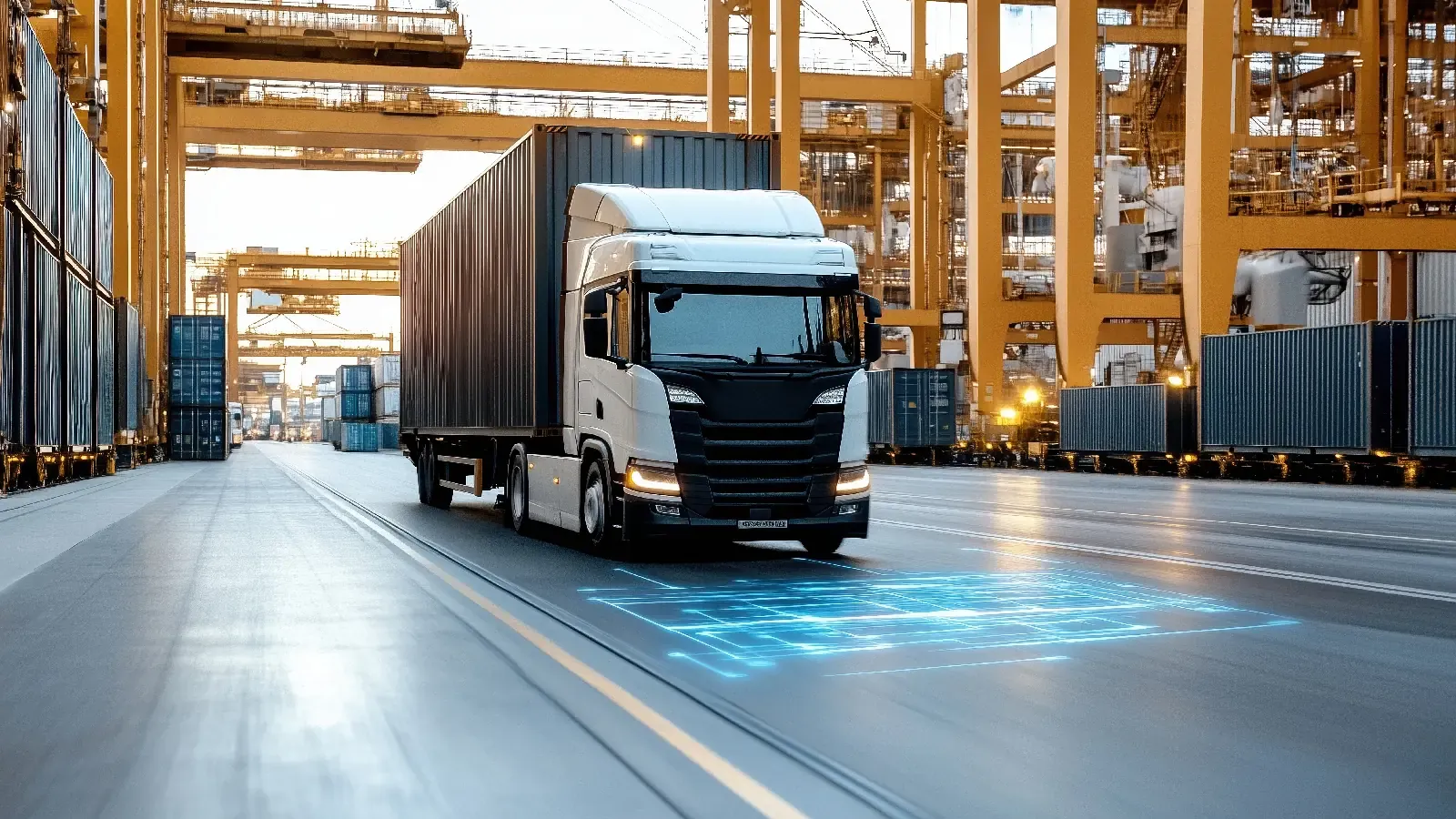
Edge computing is a key component of modern Industrial IoT architectures. Instead of processing data first in a central platform or cloud, it is processed close to the machine, system, or production line. This can reduce latency, increase stability, and relieve the load on central systems.
In industrial settings, edge computing is relevant wherever fast response times, local autonomy, or preprocessing of data are important. At the same time, edge computing is not a replacement for the entire IoT architecture, but rather a complement within a larger infrastructure model.
What Edge Computing Means in the Industrial IoT
Edge computing refers to data processing at the edge of the network—that is, in close proximity to the data source. In the Industrial IoT, this typically means that data from machines, sensors, or controllers is preprocessed, filtered, or analyzed locally before being forwarded to central systems.
Proximity to the Data Source
The key difference from centralized processing lies in the spatial and functional proximity to the industrial process. This enables faster decision-making and reduces dependence on a permanent connection to a remote data center or the cloud.
Edge as Part of the Infrastructure
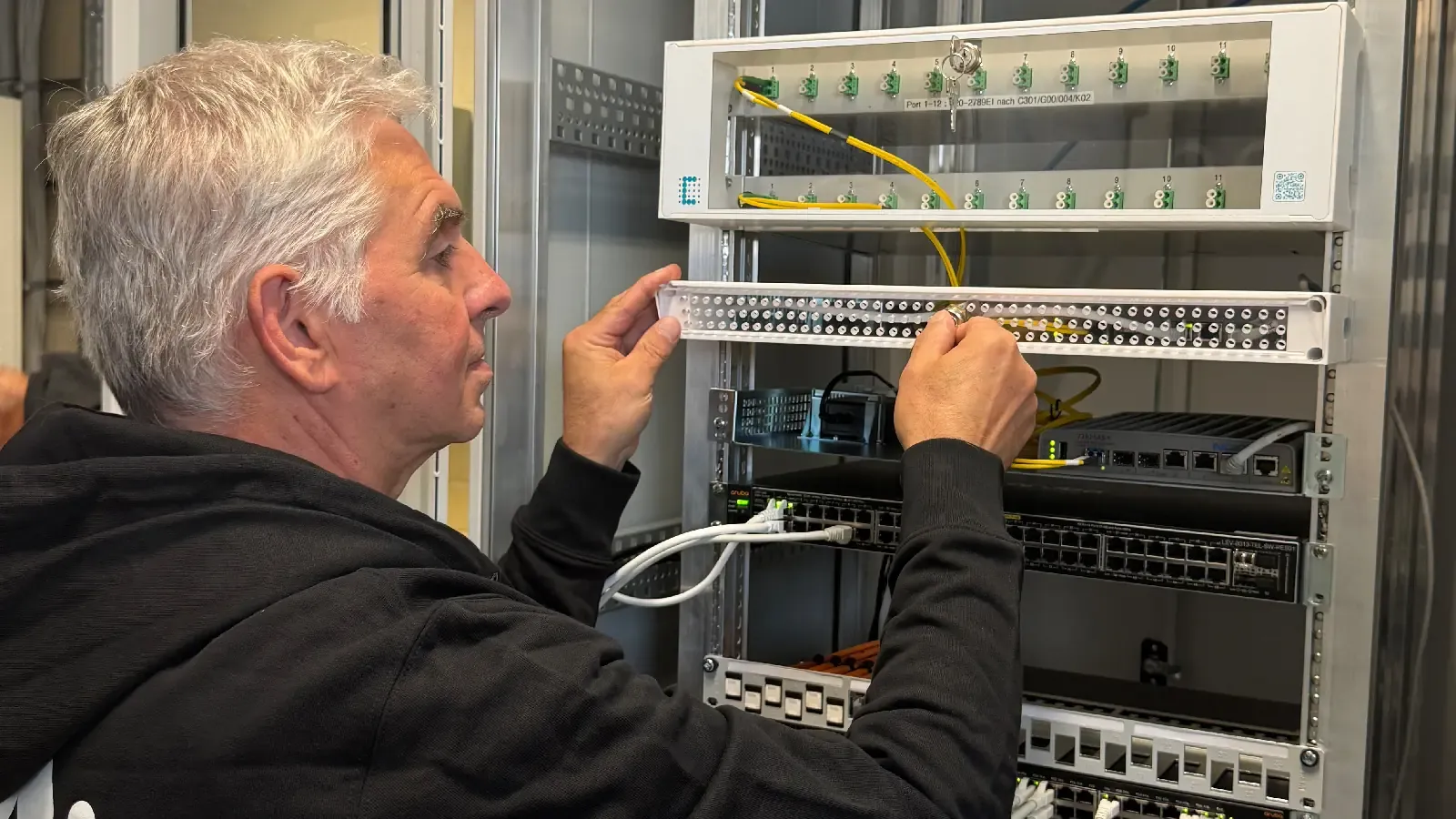
Edge is not an isolated technology but rather part of the overall IoT infrastructure. It supplements networks, platforms, and data centers with a local processing layer that handles specific tasks directly on-site.
Why Edge Is Important in an Industrial Context
In production environments, latency, availability, and operational reliability are often critical factors. Edge computing helps better meet these requirements by processing relevant data where it is generated.
When Edge Computing Makes Sense
Not every industrial IoT application needs the edge. This approach is particularly useful when specific technical or operational requirements must be met.
When there are high demands on response speed
When data must be processed quickly, local processing is often an advantage. This applies, for example, to applications where fast signals, threshold violations, or state changes need to be detected immediately.
When connectivity is limited or unstable
Not every production environment has a consistently stable connection to central platforms. In such cases, edge computing can help make systems more robust because preprocessing takes place locally.
When local autonomy is required
If a site or machine needs to continue operating even during a temporary interruption of the central connection, edge computing increases the solution’s autonomy. This is particularly relevant in critical or high-availability environments.
For large volumes of data
When a very large number of data points are generated, it often makes sense to filter or aggregate them at the edge. This reduces the load on central systems and lowers transmission costs.
The Benefits of Edge Computing
Edge computing offers a range of benefits that are particularly relevant in industrial settings.
Lower latency
Data does not have to be transmitted to a central platform before it is processed. This shortens response times and improves suitability for time-critical applications.
Reduced Load on Central Systems
Not all raw data needs to be sent unfiltered to the cloud or the data center. Edge computing can preprocess, filter, or aggregate data, which reduces the load on central systems and makes the architecture more efficient.
Greater Operational Reliability
When local components can continue to operate even without a permanent connection to the central system, this increases reliability. This is a particularly important consideration in production-related scenarios.
Better Data Quality for Downstream Systems
Preprocessing at the edge can reduce irrelevant, erroneous, or redundant data. This improves the quality of the information that is later processed centrally.
What Tasks Can Be Handled at the Edge
Edge computing can perform various functions, depending on the use case and architecture.
Data filtering and aggregation
Raw data is first checked locally, and only relevant information is forwarded. This saves bandwidth and improves the data’s usability.
Preliminary Analysis and Event Detection
Certain patterns, thresholds, or deviations can be detected locally. This allows events to be reported more quickly or fed directly back into local processes.
Local Control and Response
In some scenarios, the edge can also trigger local responses, such as alarms, state changes, or preparatory process steps. This is particularly useful in dynamic environments.
Buffering and Caching
If the central connection is temporarily interrupted, the edge can temporarily buffer data and synchronize it later. This ensures that the information chain remains intact.
How the Edge and the Cloud Work Together
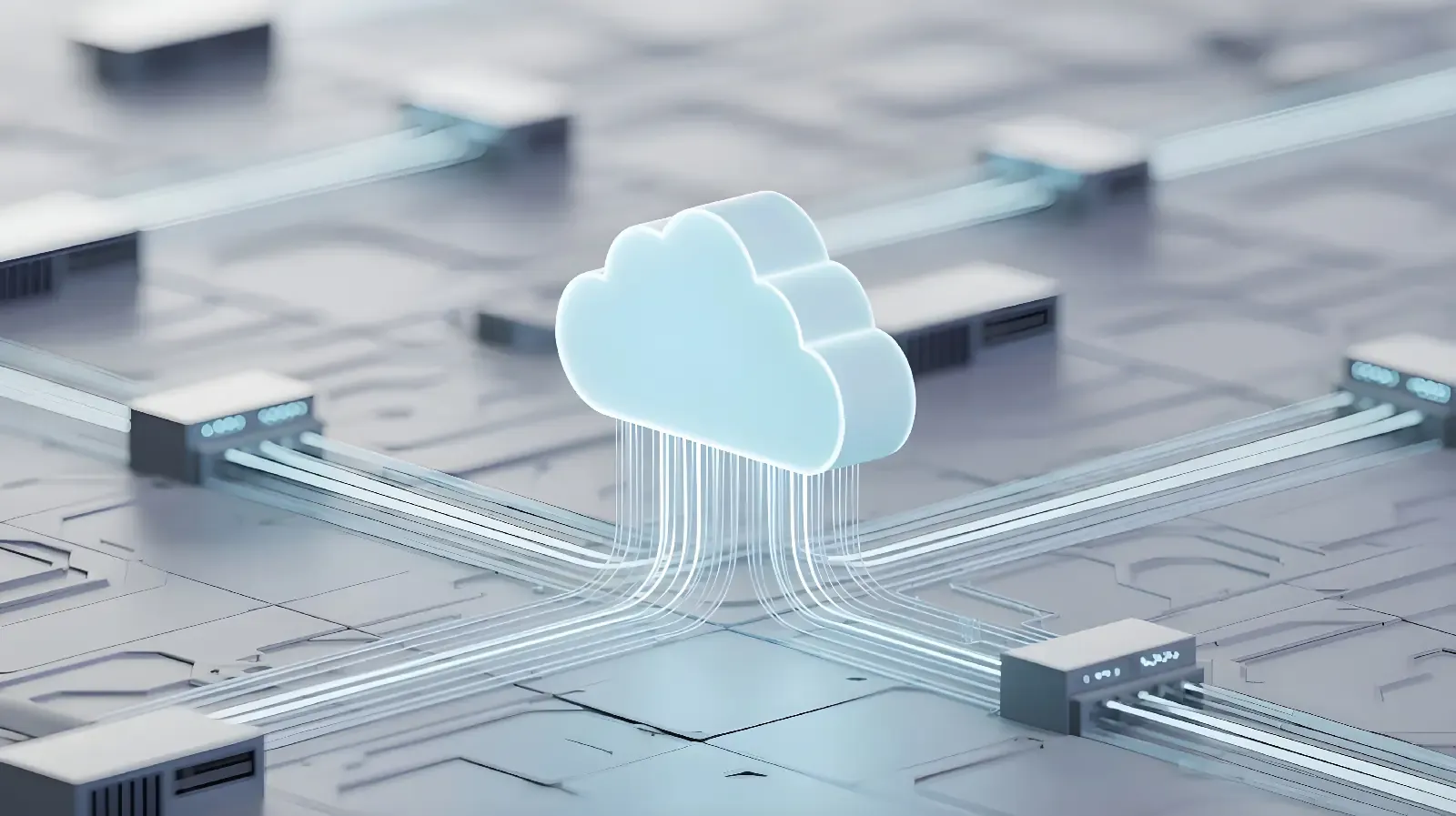
The edge and the cloud are not opposites, but are often complementary architectural building blocks. In the Industrial IoT, combining both approaches is often the most sensible solution.
Edge for Local Tasks
The Edge handles tasks where proximity to the equipment, rapid response, or local autonomy are important. This primarily involves preprocessing, filtering, and real-time processing.
Cloud for Central Processing
The cloud is well-suited for central evaluation, cross-site analysis, reporting, and scaling. It provides the overarching platform for many use cases.
The Hybrid Approach
In many industrial architectures, data is preprocessed at the edge and then consolidated in central systems. This allows for a better balance between efficiency, flexibility, and control.
The Challenges Posed by Edge Computing
Despite its advantages, edge computing also brings additional requirements. These should be deliberately factored into the architecture.
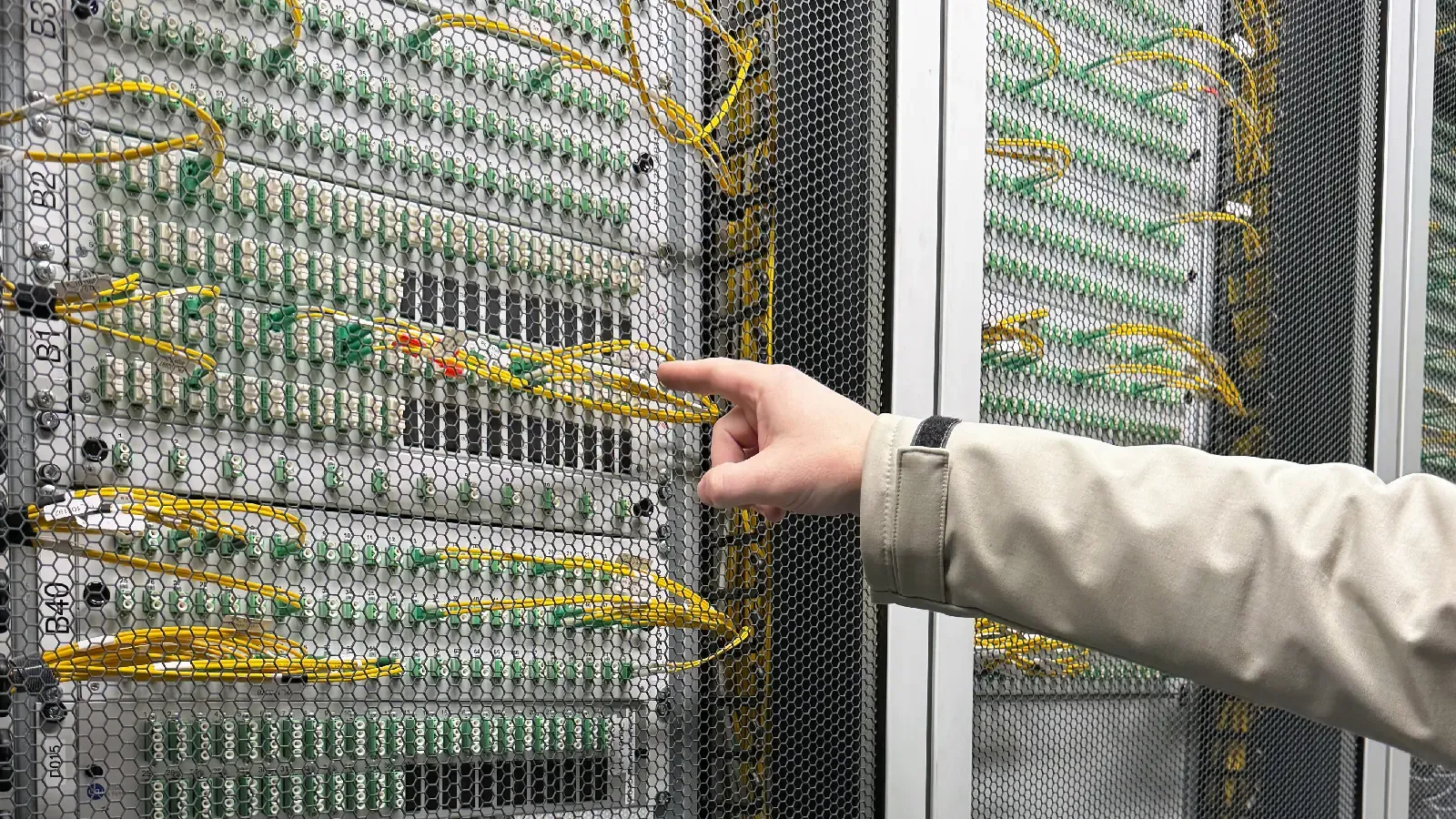
Distributed Infrastructure
Edge computing results in more decentralized components that must be operated, monitored, and maintained. This increases the complexity of the infrastructure.
Security requirements
Every local component is a potential point of attack. Therefore, access, update processes, segmentation, and monitoring must also be clearly regulated at the edge.
Operational Responsibility
It must be clear who operates, maintains, and monitors the edge infrastructure. Without a clear operational model, the decentralized architecture can quickly become confusing.
Standardization
When multiple locations or machines are equipped with edge technology, uniform standards are required. Otherwise, new siloed solutions will emerge instead of a scalable architecture.
The Role of the IoT System House
An IoT System House helps embed edge computing effectively into the overall architecture. It assesses whether edge computing is necessary for the specific use case and integrates local processing into the existing infrastructure model.
Architecture Instead of a Standalone Solution
A good IoT System House does not view edge computing in isolation but as part of the overall architecture. Together with the customer, it determines which tasks should be handled locally and which centrally.
Connecting OT, IT, and the Platform
Edge computing is particularly valuable when it acts as a seamless bridge between the machine environment, the network, and the platform. This requires a technical understanding of OT, IT, and operational processes.
Considering Operations and Security
Since edge components are distributed and often deployed close to the site, security, monitoring, and operations must be planned from the outset. This is a typical strength of an integrated systems provider approach.
Questions Companies Should Clarify in Advance
Before implementing edge computing, companies should answer a few key questions:
What data needs to be processed locally?
Not all data belongs at the edge. It should be clearly defined which tasks should be performed locally for technical or economic reasons.
What are the latency requirements?
The more precisely response times are defined, the easier it is to determine whether edge computing is necessary.
How stable is the connection to central systems?
If connections are not consistently stable, edge computing can be a key component in ensuring operational reliability.
Who is responsible for operation and maintenance?
Since edge components are distributed, a clear operational model is needed. Without clear responsibilities, security and maintenance issues can quickly arise.
Conclusion
In Industrial IoT, edge computing is a key component for local data processing, rapid response, and robust operational scenarios. Especially where latency, autonomy, or data volumes are critical, edge computing can provide a significant architectural advantage.
However, the greatest benefits are realized only when combined with the cloud, hosting, security, and platform operations. Therefore, edge computing should not be viewed as an isolated technology, but rather as part of a holistic industrial IoT infrastructure.
Related Content
This article is closely related to the following topics:
- Cloud for industrial IoT solutions.
- Hosting and data centers for IoT.
- Site networking for industrial plants.
- OT/IT integration in industrial environments.
- Security and segmentation in IoT infrastructures.
- High availability and resilience for industrial IoT systems.