/Knowledge/IoT Planner vs. IoT System House: Who designs, who implements?

Article · 9/21/2026

IoT Planner vs. IoT System House: Who designs, who implements?

The IoT planner defines the target vision, the architecture, and the requirements. The IoT System House then takes over the technical integration, the implementation in the industrial environment, and often also the support during operation and scaling. This distinction is important because many IoT projects do not fail due to the idea itself, but due to the gap between concept and actual implementation.

What an IoT planner delivers

An IoT planner develops the conceptual foundation of a project. They think in terms of goals, structures, requirements, and dependencies.

Typical tasks
  • Defining the target architecture.
  • Capturing and structuring requirements.
  • Describing interfaces and system boundaries.
  • Planning for safety and operational aspects.
  • Translating use cases into technical requirements.

Typical strength

The strength of the IoT planner lies in systematic approach. They ensure that a technical idea turns into a robust technical concept.

What an IoT planner does not automatically deliver

Planning is important, but it is only part of the overall picture. An IoT planner does not necessarily implement the solution themselves and does not automatically bear operational responsibility.

Typical limitations

  • No mandatory responsibility for installation and commissioning.
  • No mandatory field or OT implementation.
  • No automatic operation after go-live.
  • No mandatory responsibility for scaling or rollout.

Practical consequence

A good concept is an important foundation. However, it only becomes valuable once it is translated into a solution that actually works in practice.

What the IoT System House takes on

The IoT System House starts where planning transitions into implementation. It connects conception with technical realization, operation, and further development.

Typical services

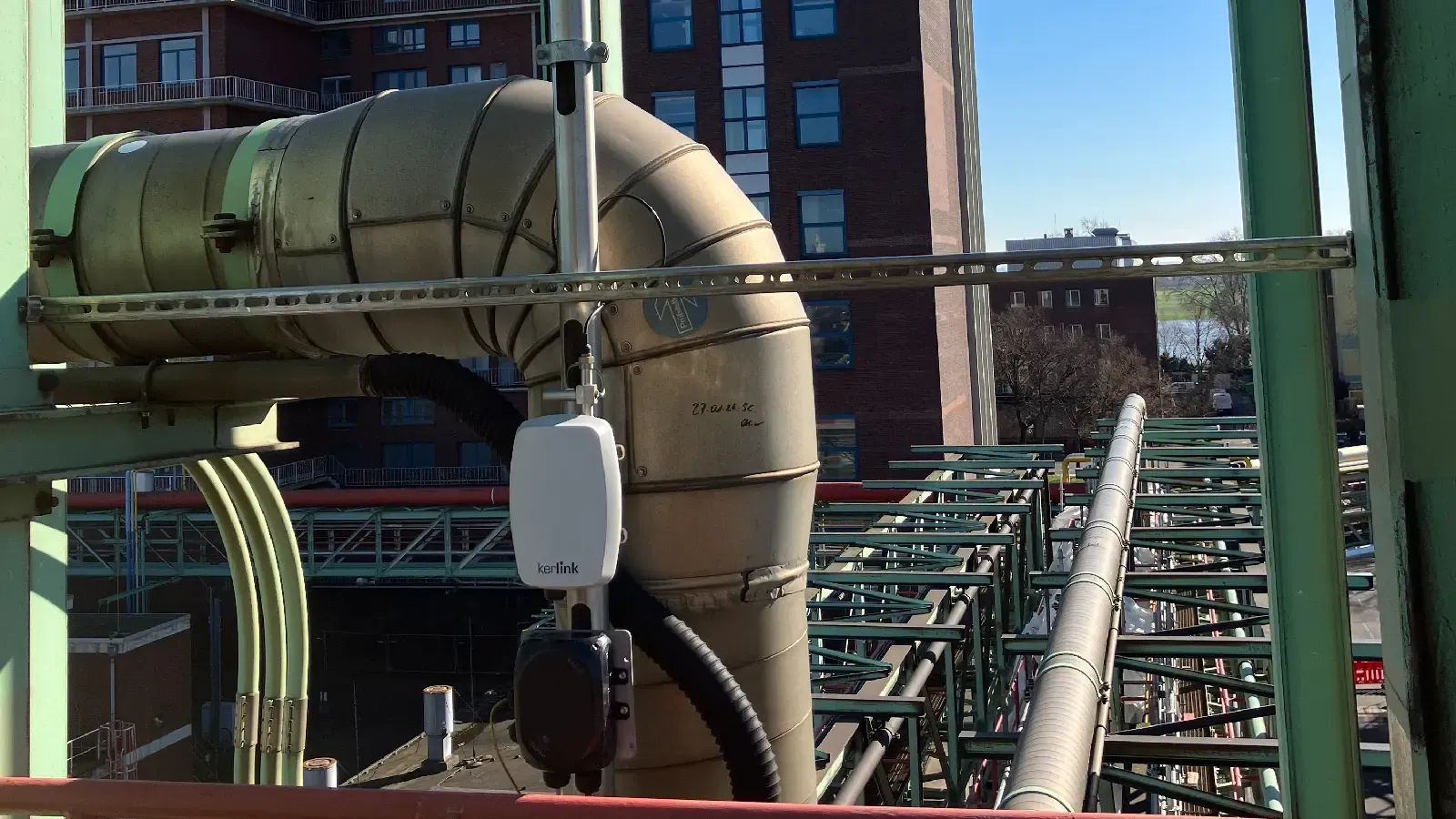
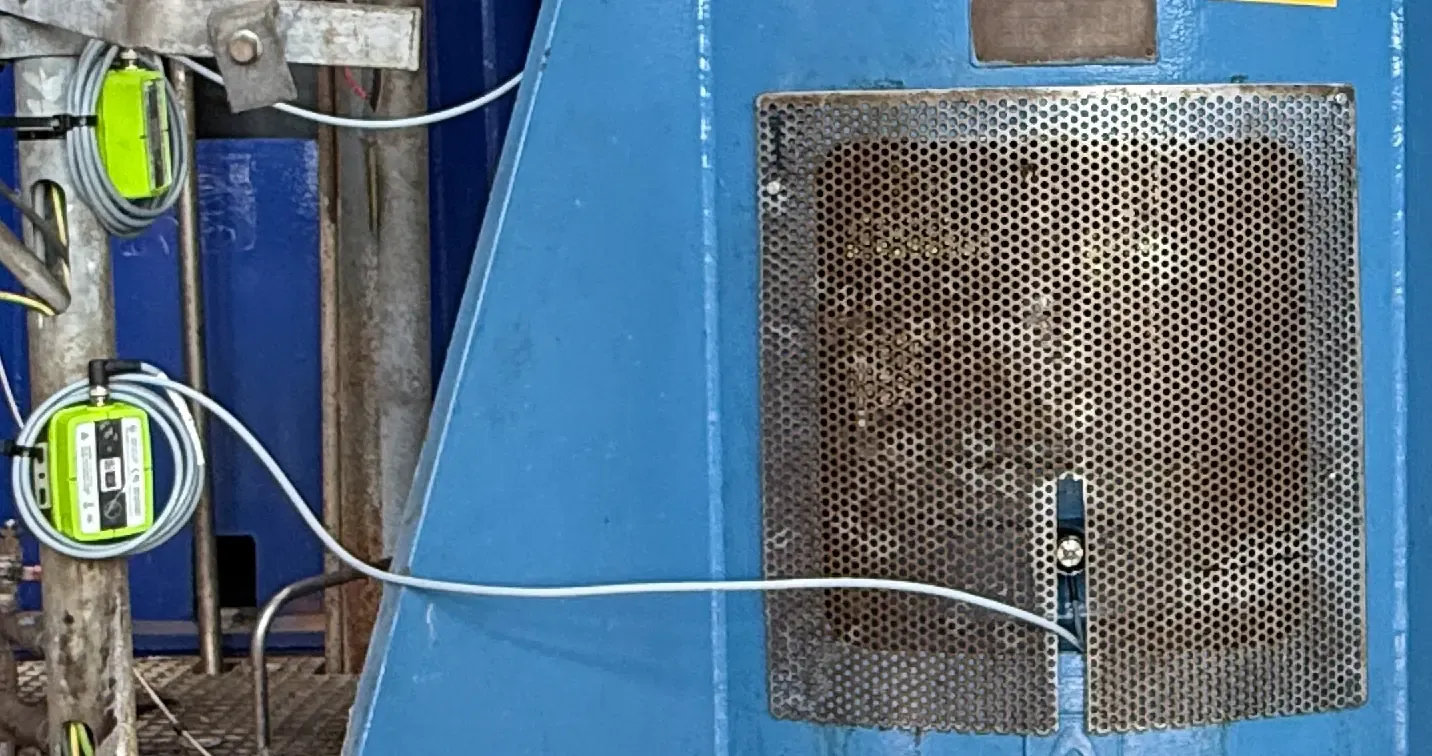
  • Integration of sensors, OT, and IT.
  • Implementation of the planned architecture.
  • Connection of data sources and platforms.
  • Commissioning in the industrial environment.
  • Support during rollout and scaling.
  • Operation and adaptation to real-world requirements.

The difference in practice

The IoT planner conceives the target vision. The IoT System House turns it into a robust solution at the plant, the site, or within the connected industrial environment.

Why this distinction matters in the buying center

In industrial projects, planning and implementation are often evaluated by different roles. The buying center therefore needs clarity about who bears which responsibility.

Typical questions

  • Who developed the concept?
  • Who implements it technically?
  • Who assesses feasibility within the existing setup?
  • Who is responsible for operation?
  • Who supports the rollout?

Relevance

If these questions are not clearly answered, gaps emerge between architecture, implementation, and operation. This is exactly where many IoT initiatives fail.

IoT planning and IoT System House complement each other

The two roles are not opposites, but mutually dependent. Good planning prevents technical detours. Good implementation prevents the concept from remaining stuck in theory.

Interaction

  • The planner creates structure and clarity.
  • The System House creates technical reality.
  • Together, they create viable industrial IoT Solutions.

Logic of success

The more complex the environment, the more important a clean handover from planning to implementation becomes.


IoT Planner vs. IoT System House

IoT PlannerIoT System House
Develops the target visionImplements the solution
Defines architecture and requirementsIntegrates sensors, OT, and IT
Evaluates concepts and feasibilityRealizes, tests, and operates
Focus: PlanningFocus: Implementation


Especially relevant in industrial environments

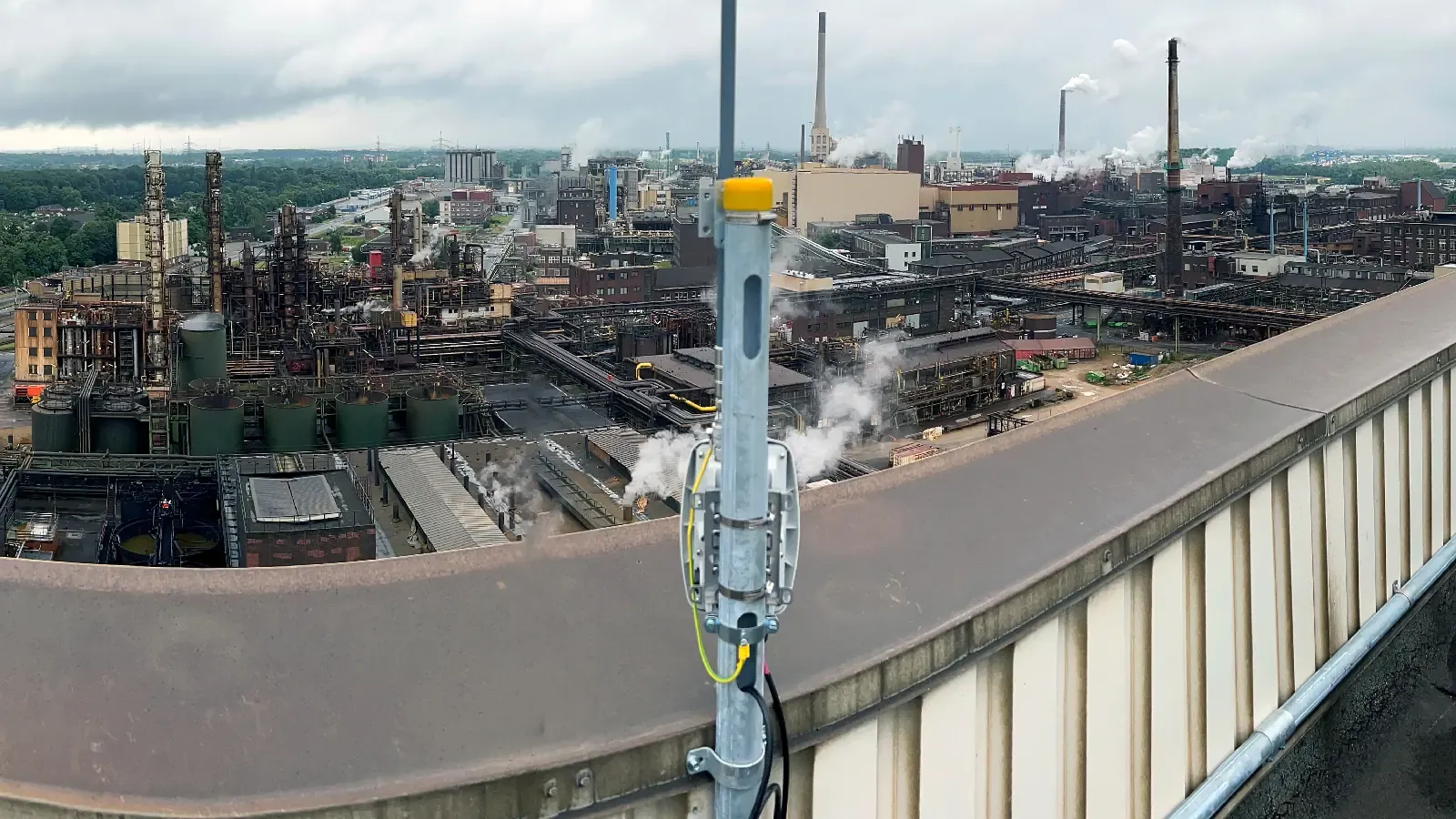
In chemicals, pharmaceuticals, utilities, and manufacturing, the gap between planning and implementation is particularly critical. There, not only function and cost matter, but also safety, availability, compliance, and the realities of existing infrastructure.

Typical framework conditions

  • Brownfield instead of greenfield.
  • High safety requirements.
  • Existing OT landscapes.
  • Critical operational processes.
  • Multiple stakeholders in the project.

Consequence

A planning approach without closeness to implementation remains too abstract. Conversely, a system house without sound planning often works inefficiently. The connection between both roles is therefore crucial.

Conclusion

The IoT planner develops the target vision, the IoT System House brings it to reality. Anyone who wants to successfully implement industrial IoT projects should not blur these roles, but deliberately bring them together.

This creates a clean chain from the idea through the architecture to operational impact in practice. These transitions are exactly what determine success or standstill in industrial projects.

Author

CQT Editorial Team
CQT Editorial TeamEditorial Team · Conneqtive

Related articles

IoT System House

What Is an IoT System House?

An IoT System House plans, integrates, and operates industrial IoT solutions from a single source. Learn how the model works and what sets it apart from traditional IT service providers.

Read more

IoT System House

The Role of the IoT System House in End-to-End Process Automation

Read more

IoT System House

Data Center for Industrial IoT Solutions

Why is the data center a core building block of industrial IoT architectures? Learn which requirements apply to hosting, availability, security, and operations. User need / key question: Why is the data center a central component of industrial IoT architectures?

Read more

IoT System House

IoT as-a-Service in Industrial Environments

Learn when IoT as a Service makes sense in industrial environments, what benefits the model offers, and how it differs from traditional project-based approaches.

Read more

IoT System House

Regulated Connectivity and Provider Status in IoT

Why is regulated connectivity relevant for industrial IoT? Learn what role provider status, availability, and trust play in industrial IoT solutions.

Read more

IoT System House

IoT System House vs. IT System House

What sets an IoT System House apart from an IT System House? Learn why industrial IoT projects have to combine IT, OT, sensor technology, and process expertise.

Read more

IoT System House

Cyber Resilience, NIS2 and ISO/IEC 27001 in IoT Operations

What requirements do NIS2 and ISO/IEC 27001 place on industrial IoT solutions? Find out how to build cyber resilience into IoT operations systematically.

Read more

IoT System House

Predictive Maintenance and Energy Monitoring with IoT

How do predictive maintenance and energy monitoring create measurable value in industrial IoT? Find out which use cases are particularly relevant.

Read more

IoT System House

IT Infrastructure for Industrial IoT

What IT infrastructure does Industrial IoT require? Find out what role networks, data centers, connectivity, and platform operations play in robust IoT solutions.

Read more

IoT System House

Security by Design at the IoT System House

How can IoT solutions be built securely from the very beginning? Learn why security by design is indispensable in the Industrial IoT.

Read more

IoT System House

How Do I Recognize a Good IoT System House?

How do you recognize a good IoT System House? Learn which criteria really matter when it comes to selection, architecture, security, and operating model.

Read more

IoT System House

IoT System House vs. IoT System Integrator

In industrial IoT projects, two roles often appear that seem similar at first glance: the IoT System House and the IoT system integrator. Both work on the technical implementation, both connect components, and both are relevant to project success. Nevertheless, their roles are not identical.

Read more