IoT as a Service describes an operating model in which industrial IoT solutions are provided not as a one-time project but as a permanent service. For companies, this means that technology, operations, monitoring, and further development are brought together in a clearly defined model.
In industrial environments in particular, this model offers advantages when internal resources are limited, multiple sites need to be integrated, or an initiative has to be scalable over the long term. The focus shifts from one-time implementation to lasting use and value creation.
What IoT as a Service means
IoT as a Service is a service-oriented approach to the planning, build-out, and operation of connected industrial solutions. Instead of building hardware, platform, and operations entirely on their own, companies use a model in which these services are provided and owned by a partner.
This typically covers:
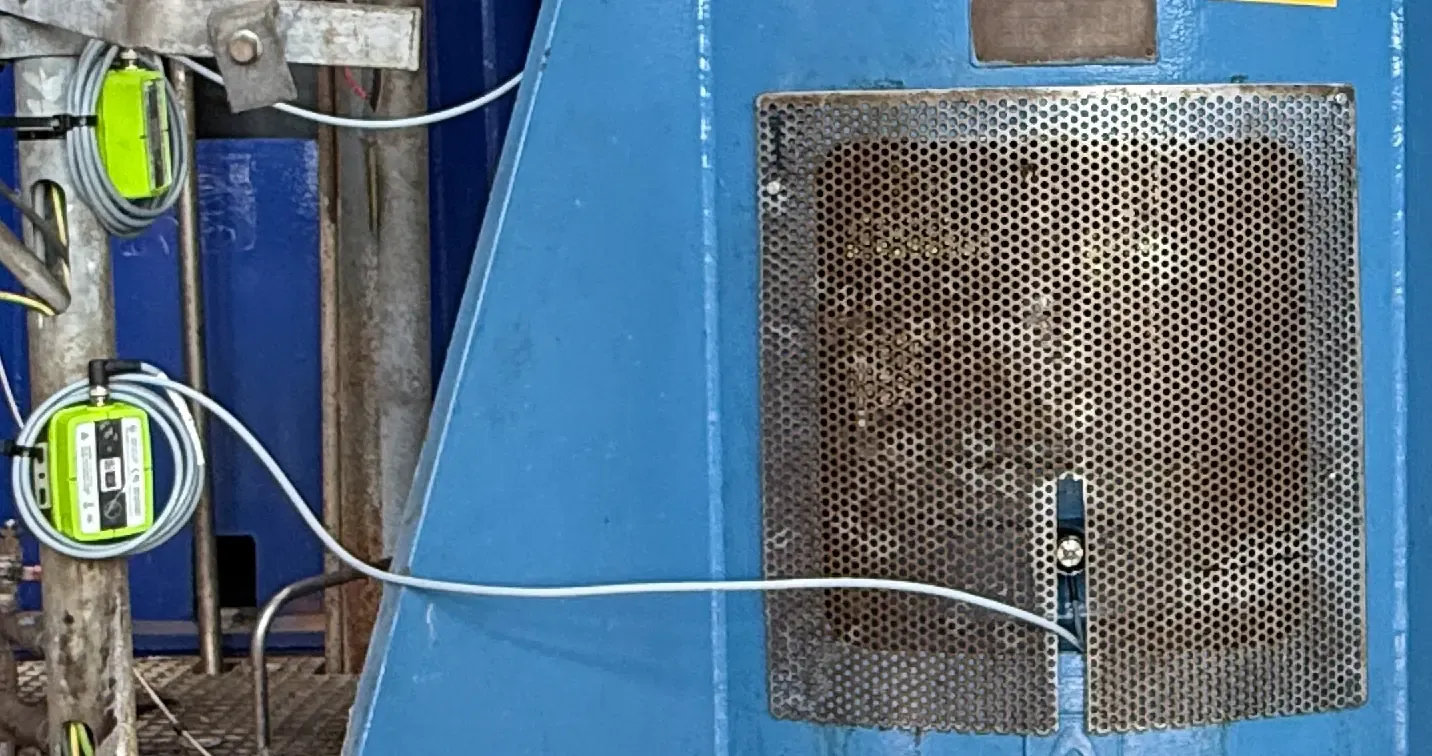
- Sensors, actuators, and connectivity.
- Data platforms and dashboards.
- Operations, monitoring, and maintenance.
- Security and system upkeep.
- Further development and scaling.
Unlike traditional project business, the service does not end at go-live but accompanies the entire lifecycle of the solution.
The core of the model
The central idea is this: the focus is not on legal ownership of individual components, but on possession and the usable service. Companies therefore do not primarily buy technology, but functionality, availability, transparency, and operational capability.
Why this matters for industrial companies
In industrial environments, IoT solutions must function reliably over the long term. At the same time, pressure is growing to reduce costs predictably and to bring projects into productive use faster. IoT as a Service addresses exactly these requirements.
How IoT as a Service differs from the project model
Traditional IoT projects often follow a linear logic: planning, implementation, handover. After that, responsibility largely lies with the customer. In the service model, things are different. Here, the solution is built in such a way that operations, support, and further development are accounted for contractually and organizationally.
What project models deliver
In the project model, the focus is on introducing a solution. Success is often measured by the implementation itself: Is the technology installed? Is the pilot running? Is the system live? That is important, but it is only part of the overall picture.
Industrial IoT in the service model
In the IoT as a Service model, lasting usability takes center stage. The decisive factors are:
- availability in day-to-day operations,
- clear service levels,
- monitoring and incident management,
- continuous optimization,
- scalable use across multiple use cases.
The difference lies in responsibility
The key difference lies in operational responsibility. While the project model involves a handover after implementation, in the service model responsibility for ongoing operations remains with the provider or is clearly shared by agreement.
The benefits of IoT as a Service
IoT as a Service can be particularly useful wherever speed, predictability, and scalability are required.
Predictable costs instead of high one-time investments
A key advantage is the shift from high investment costs to predictable ongoing costs. This makes budgeting easier and allows initiatives to be realized even when larger capex budgets are hard to secure. In most cases, the monthly operating costs of the IoT solution amount to a fraction of the process costs saved each month.
Faster implementation
When infrastructure, operations, and service are already part of the model, the path to productive use is shorter. This can be especially beneficial for recurring use cases.
Lower operational complexity
Many companies do not have sufficient internal resources to operate IoT solutions themselves over the long term. A service model reduces this burden because operations, upkeep, and monitoring are outsourced or shared.
Greater scalability
A service model can often be rolled out more easily to additional assets, plants, or sites. This creates a better foundation for growth and standardization.
Clearer responsibilities
In industrial environments in particular, it is important that responsibilities are clearly defined. A well-structured service model creates transparency here: Who operates what? Who responds in the event of a fault? Who drives further optimization?
When IoT as a Service makes sense
IoT as a Service is not the best solution in every case. It is particularly useful when at least one of the following applies:
- internal IT or OT resources are scarce,
- the solution needs to go into productive use quickly,
- multiple sites are to be integrated,
- there are high requirements for availability and operations,
- security and compliance must be considered on an ongoing basis,
- or the use case is so urgent and important that stable service operations are critical.
The model is therefore especially attractive for companies that view IoT not as a one-off project but as a long-term operational building block.
Typical use cases
Examples include:
- condition monitoring,
- predictive maintenance,
- energy monitoring,
- automated reporting,
- asset and site transparency,
- and connected service or operating processes.
The role of an IoT System House
IoT as a Service is particularly effective when it is delivered by an IoT System House. That way, architecture, implementation, security, and operations come from a single source.
An IoT System House can:
- translate the business requirements,
- set up the technical architecture,
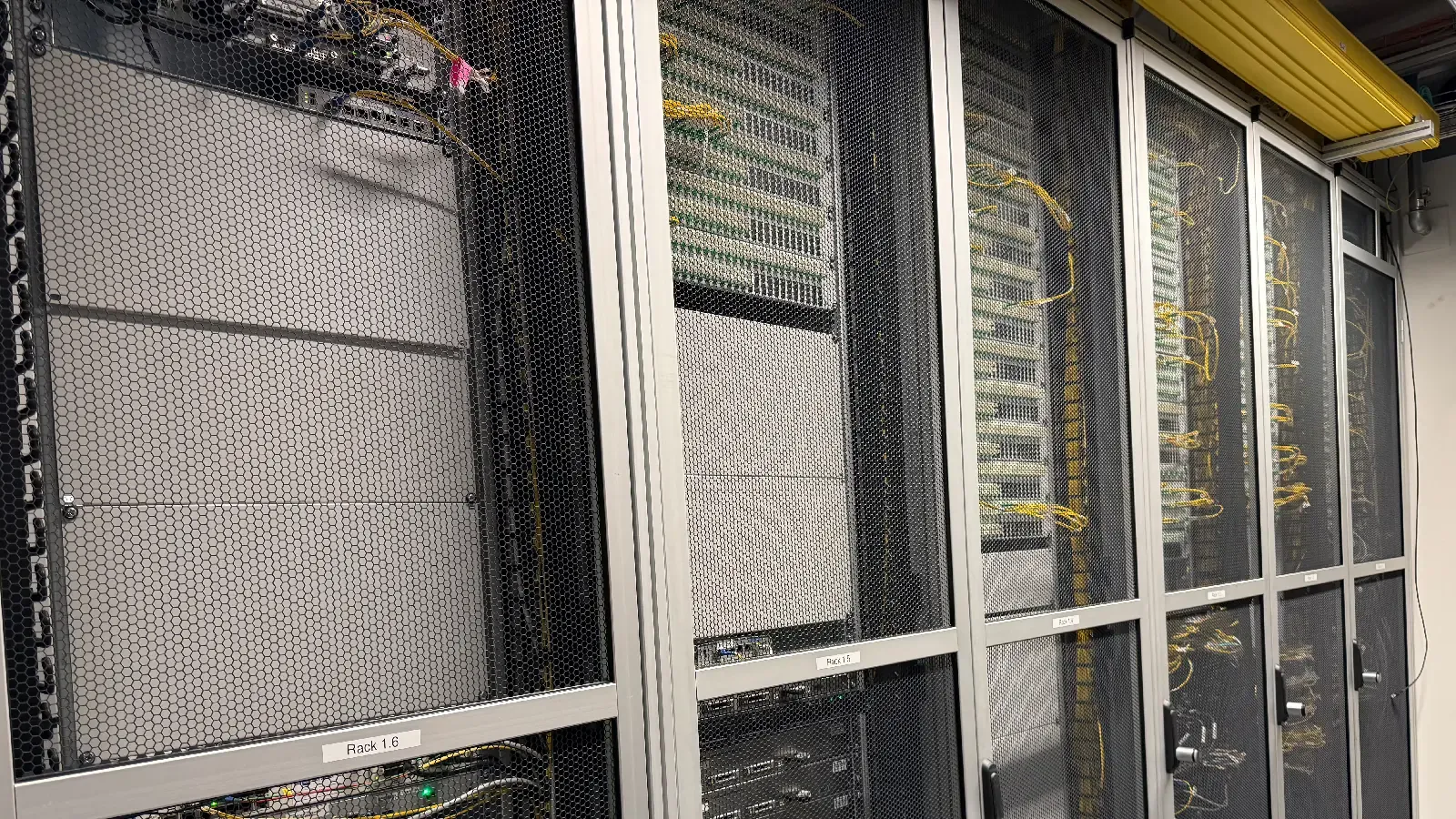
- build and operate infrastructure and platform,
- ensure security and compliance,
- and continuously develop the solution further.
This turns a technical solution into a robust operating model.
Why the interplay matters
IoT as a Service only works really well when individual building blocks are not considered in isolation. Sensors, actuators, connectivity, platform, data center, and security must be conceived as a coherent architecture. This is precisely where the strength of an IoT System House lies.
Questions companies should clarify in advance
Before introducing an IoT-as-a-Service model, companies should answer a few fundamental questions:
- Which processes or assets are to be supported?
- What monetary value creation can be expected from the initiative?
- Which data must be permanently available?
- Which service levels are required?
- Which security requirements apply?
- Who bears which responsibility in operations?
- How scalable does the solution need to be?
- Which cost structure makes sense in the long term?
The more clearly these questions are answered, the better the model can be tailored to actual requirements.
What to look for when selecting a provider
Not every provider offering IoT as a Service automatically covers the relevant industrial requirements. Important selection criteria are:
- experience in industrial environments,
- robust operating models,
- security and compliance expertise,
- transparent service levels,
- the ability to integrate into existing IT and OT landscapes,
- and the ability to scale solutions beyond the pilot stage.
Not all services are created equal
A true service model involves more than just support. It should clearly define how operations, monitoring, maintenance, further development, and escalation are organized. Only then does a model emerge that is sustainable for industrial applications over the long term.
Conclusion
IoT as a Service is a sound operating model for industrial companies that want not only to introduce their IoT initiatives but to use and scale them over the long term. It combines technology with clear operational responsibility, predictable costs, and a higher degree of implementation certainty.
The model is especially valuable where internal resources are limited, multiple sites need to be integrated, or the solution is business-critical over the long term. In such cases, IoT as a Service is less a pure procurement model and more a strategic operating decision.
Read the next article
The article IT Infrastructure for Industrial IoT explores the technical fundamentals in more depth. It covers networks, data centers, connectivity, and the architectural building blocks that make a robust IoT operating model possible.