An IT System House and an IoT System House may sound similar at first glance, but in industrial practice they perform different tasks. An IT System House typically focuses on classic IT infrastructure, workplace environments, networks, cloud, security, and the stable operation of digital systems. An IoT System House goes further: it connects IT with OT, sensor technology, data flows, platform logic, and industrial processes.
In industry in particular, the classic IT perspective often falls short. There, solutions not only have to run securely and reliably, they also have to incorporate machines, plants, field data, and operational workflows. That is precisely where the difference lies.
What an IT System House typically delivers
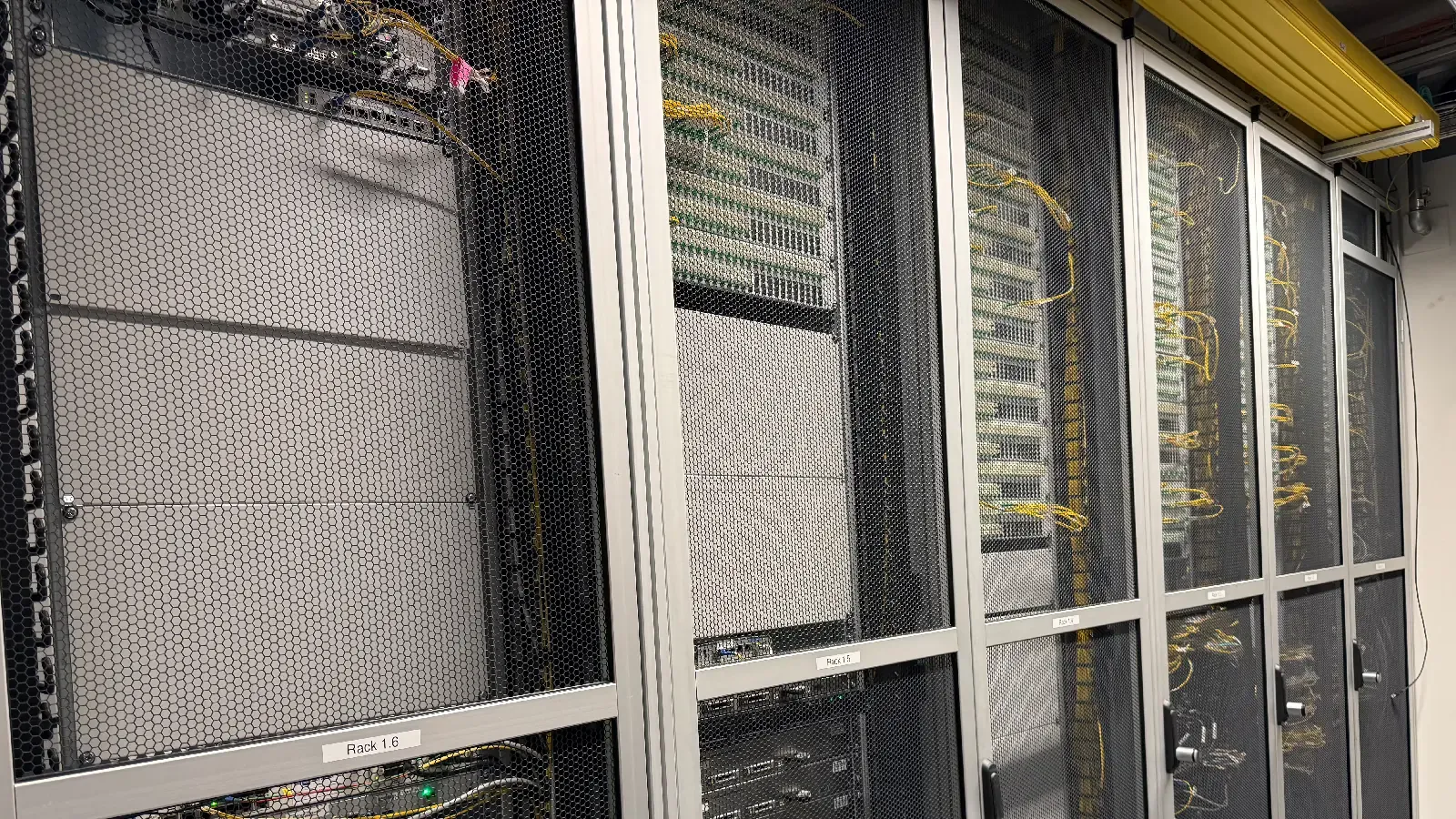
An IT System House is first and foremost a comprehensive partner for classic IT landscapes. It plans, implements, and supports the infrastructures that digitally underpin business operations.
Classic focus areas of an IT System House
- Networks.
- Server and cloud environments.
- End devices and workplace solutions.
- Backup, operations, and support.
- IT security.
- Standard software and collaboration.
The focus is on availability, security, standardization, and operational efficiency. This is essential for many companies, but it does not yet reflect the complex logic of industrial IoT environments.
What an IoT System House delivers on top of that
An IoT System House connects the IT world with industrial reality. It thinks not only in terms of infrastructure and support, but in terms of how data is created, proximity to the field, process relevance, and feedback into operational workflows.
Additional dimensions of an IoT System House's services
- Sensor technology and data acquisition.
- OT connectivity.
- Edge and gateway architectures.
- Industrial protocols and interfaces.
- Data integration from machines, plants, and environments.
- Translating use cases into operational processes.
- Operation and scaling in real-world industrial environments.
Why exactly this is decisive
Industrial IoT projects are not just about transporting or storing data securely. They are about turning technical signals into real operational impact: transparency, control, alarms, maintenance intelligence, energy insight, or cross-site comparability.
In short: the strategic difference between an IT System House and an IoT System House is that an IT System House provides the digital foundation. An IoT System House makes that foundation effective in industrial operating processes.
- IT System House = infrastructure, operations, standard IT.
- IoT System House = infrastructure plus OT, sensor technology, data integration, and process impact.
It follows that the IoT System House works closer to value creation, closer to machines and plants, and closer to industry's business objectives. It is therefore less about pure IT support and more about being the integration and implementation authority for industrial digitalization.
Industrial IoT projects are not just IT projects
In industry, an IoT project rarely depends on networks or cloud alone. It depends on machine states, plant availability, safety requirements, regulatory frameworks, and embedding into real processes.
Typical additional requirements
- Connecting OT environments.
- Accounting for production and maintenance logic.
- Security and compliance requirements.
- Site and brownfield conditions.
- Scaling across lines, plants, or sites.
The consequence: a company can run its IT flawlessly and still fail at an IoT project if proximity to the field, data context, or process integration are missing.
Why standards alone are not enough
In classic IT environments, standards support repeatability and scalability. In industrial IoT projects, standards are important but often not sufficient, because the environments are heterogeneous.
Typical hurdles
- Differing machine and plant landscapes.
- Legacy installations that have grown over time.
- Mixed protocols and system landscapes.
- Security concerns between IT and OT.
- Varying levels of maturity at different sites.
It follows that an IoT System House must not only know the technologies, but also bring integration capability, pragmatism, and operational experience to the table.
Where the IoT System House is superior to the IT System House
Understanding of OT
An IoT System House understands that in an industrial setting, data is created at machines, plants, sensors, and processes. It therefore thinks from the source through to the impact.
Proximity to the field and data source design
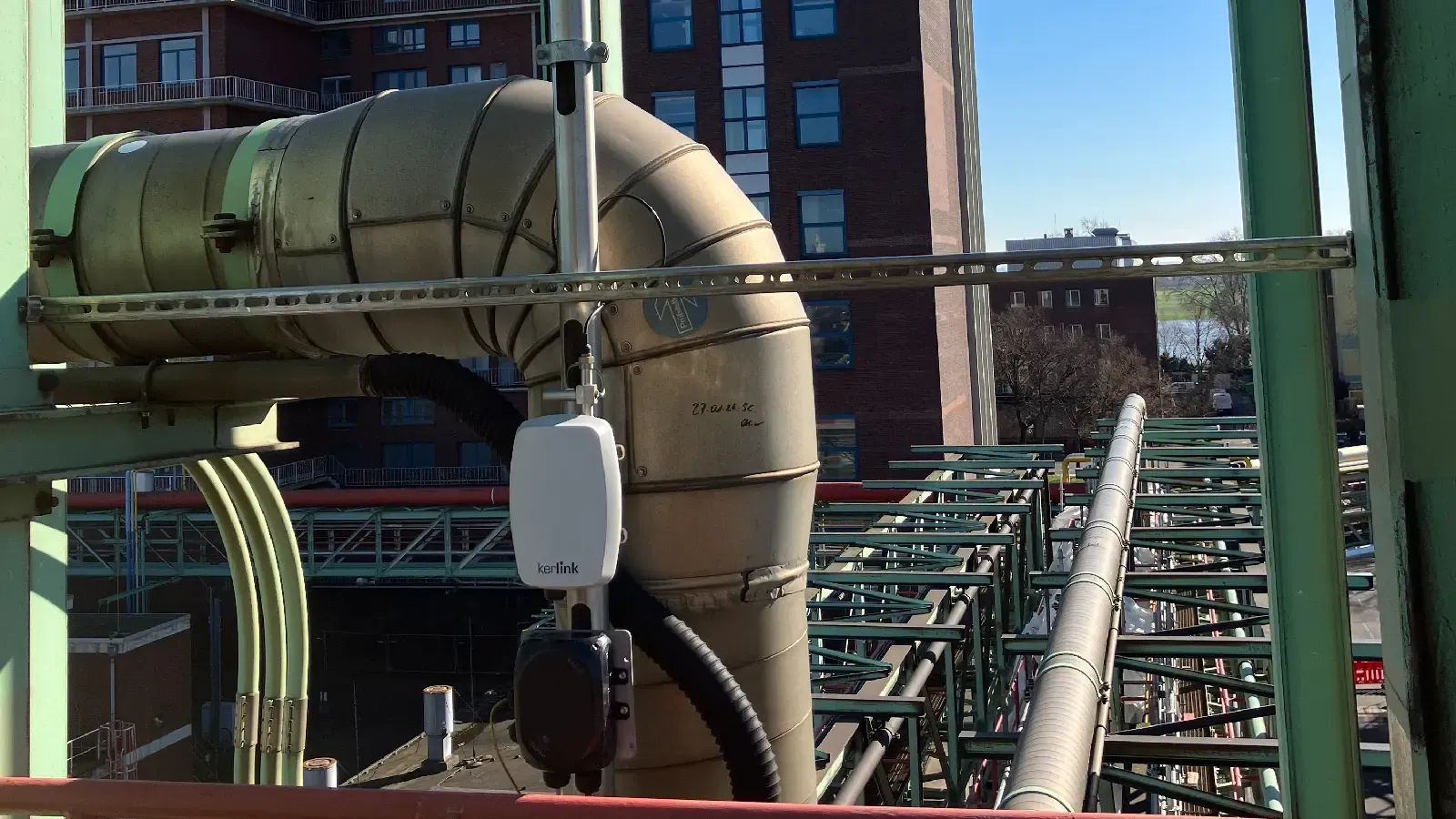
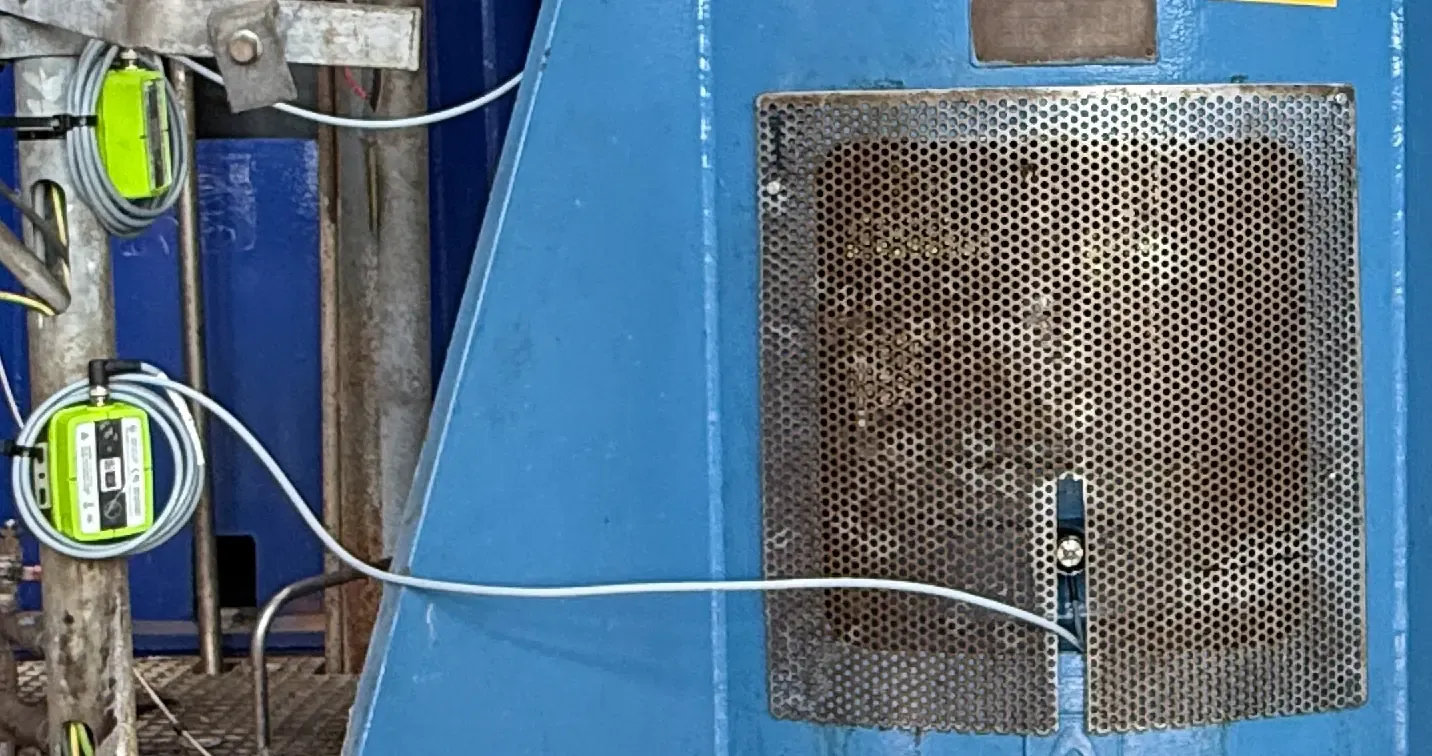
Not every solution starts in the data center. Many IoT projects start where a sensor, a measuring point, or a gateway has to be installed. The systems integrator must understand this field logic and translate it cleanly into the architecture.
End-to-end perspective
An IoT System House thinks beyond the mere operation of IT. It connects:
- Acquisition.
- Transport.
- Storage.
- Processing.
- Visualization.
- Feedback into the process.
Operational reality
In industrial projects, what counts is not only whether something works technically. What counts is whether it works reliably in shift operation, under compliance requirements, in brownfield environments, and under the pressure of responsibility.
IT, OT, and the closed-loop model
In industrial IoT architectures, the relationship between IT and OT is not a simple one-way flow but a bidirectional loop.
OT generates and measures data at machines, plants, and processes. IT transports, stores, harmonizes, and analyzes this data. An IoT System House connects both levels so that data leads to concrete decisions, automation, and operational impact.
IT is not merely a transport layer. It contextualizes, integrates, analyzes, and makes information usable. OT is not merely a data source. It is the operational level where feedback, control, and impact take place.
Typical loops in industrial IoT
- Measurement in OT.
- Transmission to IT.
- Processing and analysis.
- Visualization or alarming.
- Feedback into operations, maintenance, or control.
What is the difference between a systems integrator, a systems house, and a planner?
An IoT System House combines technical building blocks into a working solution. An IoT System House can include this integration work as well, but usually takes on broader responsibility.
Integrator:
- Focus on technical consolidation.
- Strong interface expertise.
- Often project-based.
Systems integrator:
- Broader consulting and implementation scope.
- More responsibility across lifecycle, operations, and scaling.
- Frequently more strongly geared toward industrial operating reality.
Planner:
The IoT planner designs the target architecture, requirements, and interfaces. The systems integrator implements, integrates, and supports operations.
- Conceptual design.
- Architecture.
- Security and interface logic.
- Requirements and high-level design.
Systems integrator:
- Implementation.
- Commissioning.
- Operations.
- Scaling.
- Adaptation to real plant and site conditions.
Beyond classic IT: what the IoT System House delivers on top
An IT System House can deliver a great deal that matters to digital companies. Industrial IoT projects, however, require additional areas of expertise.
Additional services of the IoT System House
- Implementation close to OT.
- Sensor and field integration.
- Operation in industrial environments.
- Data flow from the asset through to analysis.
- Integration into maintenance, production, logistics, or compliance.
- Support with rollout and scaling.
The core difference is that the IoT System House thinks not only in terms of systems, but in terms of operational context.
Which services an IT System House typically does not fully cover
End-to-end process automation: An IT System House can provide infrastructure, security, and the digital foundation. But it does not automatically deliver:
- Field-level sensor planning.
- OT integration.
- Process mapping based on plant logic.
- Operations-oriented use case translation.
- Feedback into operational workflows.
Industrial environments: In chemicals, pharmaceuticals, utilities, and manufacturing, the following must also be taken into account:
- Safety and compliance requirements.
- Regulatory documentation.
- Availability and downtime risks.
- Brownfield conditions.
- Site logistics and plant structures.
Conclusion: This is exactly the gap the IoT System House closes.
Would you like to assess whether your project needs an IoT System House? Then have the requirements evaluated in a structured way along the lines of IT, OT, operations, and scaling.