An IoT System House helps industrial companies not only implement connected solutions technically, but also operate them securely and sustainably. The term does not describe a single product, but an integrative service model spanning the entire IoT value chain: from use case development and architecture through to operations.
In an industrial environment, working with an IoT System House that has industry experience is particularly attractive, because there, in addition to technology, availability, security, compliance, and scalability are what count above all. As an IoT System House for industry, Conneqtive combines these requirements in one end-to-end approach.
What an IoT System House does in principle
An IoT System House plans, integrates, and operates solutions based on connected devices, machines, sensors, and data platforms. In doing so, it brings together different disciplines: IT, OT, security, connectivity, data center, and operational responsibility, along with people.
The focus is not on the individual component, but on the overall system. The goal is an IoT solution that works in live operation, fits into existing structures, and can be scaled up as needed.
From idea to operation
A typical IoT System House supports companies across several phases:
- Identifying suitable use cases.
- Technical and economic evaluation.
- Architecture and integration.
- Implementation and commissioning.
- Operations, monitoring, and further development.
The service therefore does not end with project approval or go-live, but continues in day-to-day operations.
Why the holistic approach matters
In Industrial IoT, many factors interlock. A technically functioning solution can still fail in operation if interfaces are missing, security is inadequate, or responsibilities remain unclear. An IoT System House makes sure these factors are taken into account early on.
How an IoT System House differs from a traditional IoT System House
A traditional IoT System House often works on a project basis or focuses on individual technologies. An IoT System House pursues a broader, systemic approach. It thinks not only in terms of infrastructure or software, but in terms of processes, data flows, asset context, operations, and usage.
This is particularly important because industrial IoT projects usually connect several layers:
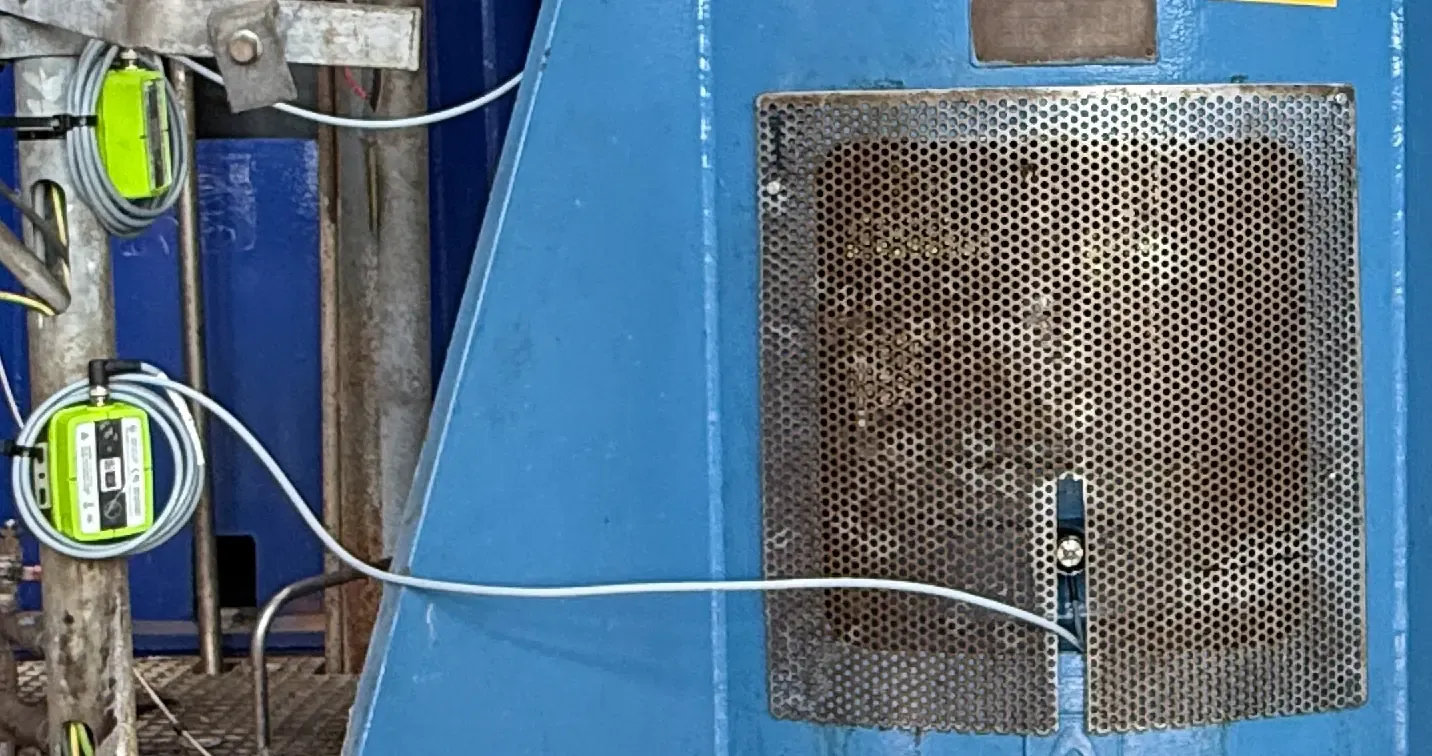
- Sensors and field devices.
- IT networks and connectivity.
- Data platforms and data processing.
- Security and compliance.
- Business applications and reporting.
An IoT System House views these layers as a coherent architecture and takes on responsibility for integration.
One difference lies in responsibility
While a traditional service provider often stops at technical delivery, an IoT System House also assumes ongoing operational responsibility. This is a key difference, because IoT only unfolds its true value in live operation.
Another difference lies in perspective
IoT System Houses frequently solve individual technical tasks. An IoT System House additionally asks:
- Which problem is to be solved?
- Which process is to be optimized?
- What does the economic benefit look like?
- How stable is the solution in everyday use?
- How can it be scaled across multiple sites or use cases?
Which services an IoT System House typically offers
An IoT System House generally covers several service areas that build on one another.
Strategy and use case development
The starting point is the question of which processes should actually be improved through IoT. These may include production monitoring, predictive maintenance, energy monitoring, or automated reporting. An IoT System House helps prioritize these use cases and translate them into a roadmap
Architecture and integration
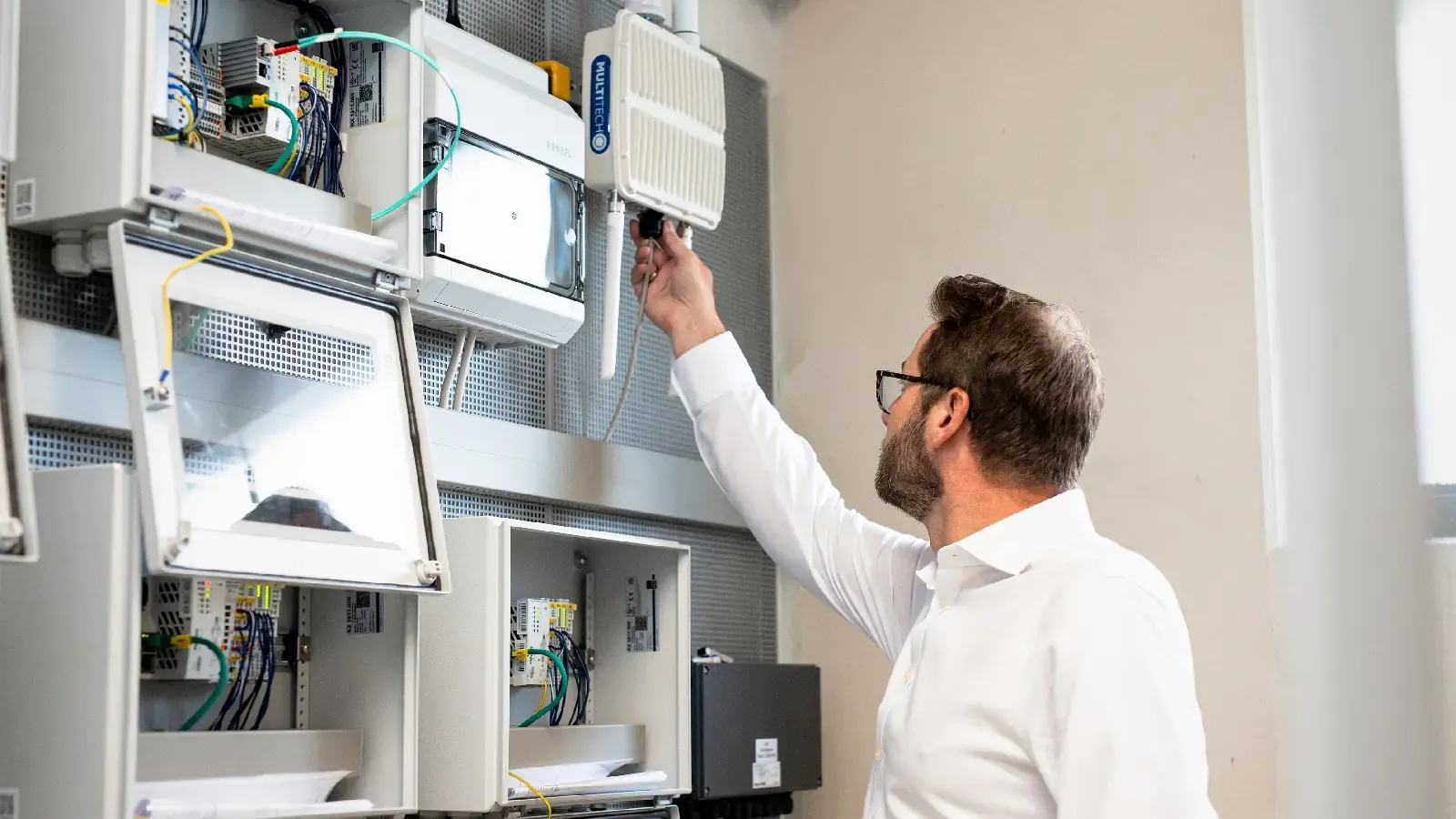
Industrial IoT solutions often have to be integrated into established IT and OT landscapes without interfering with them. This includes machines, control systems, gateways, networks, cloud or on-premises platforms, and business systems. An IoT System House ensures that these building blocks interact cleanly from a technical standpoint, often as a retrofit.
Connectivity and infrastructure
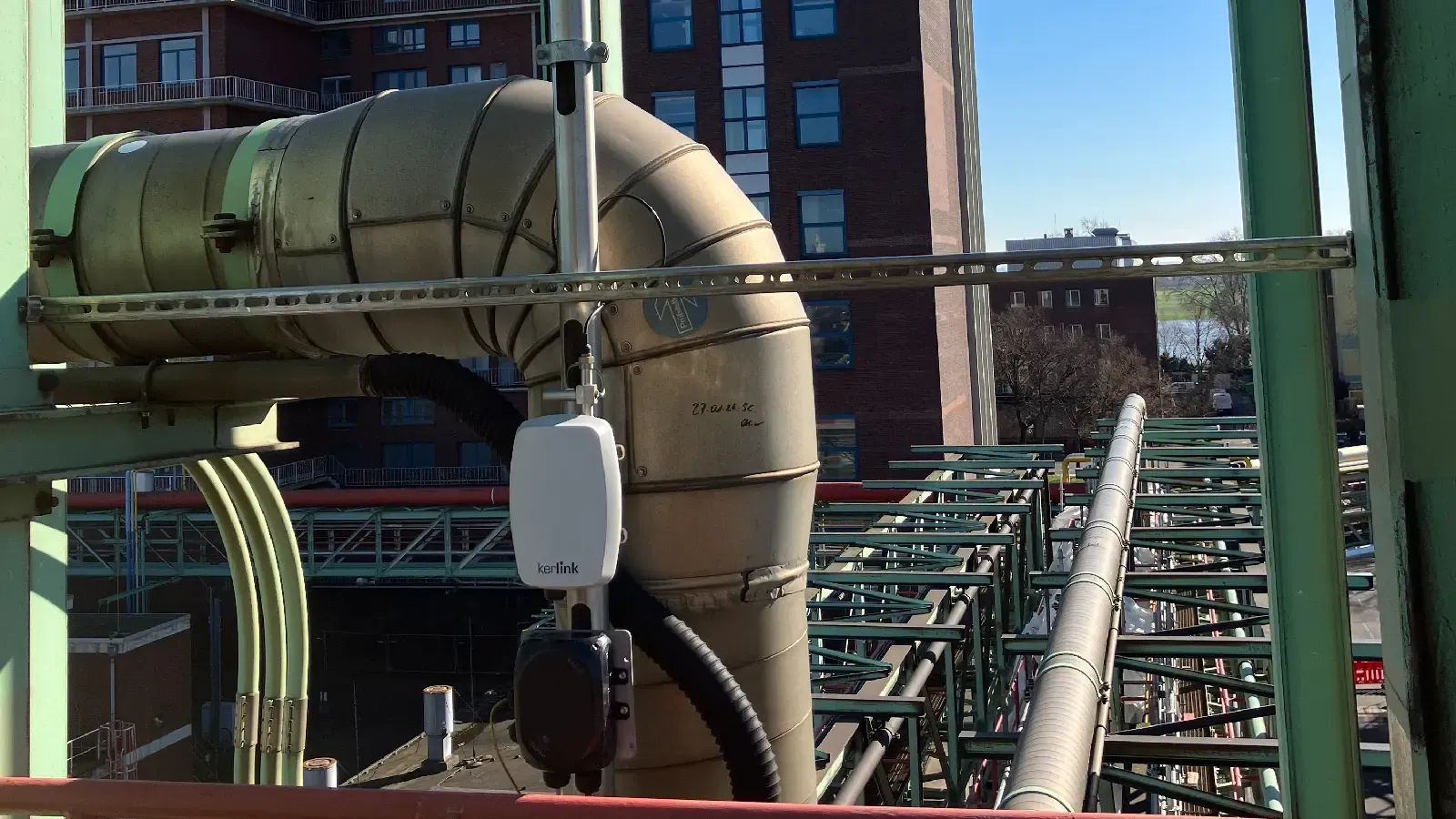
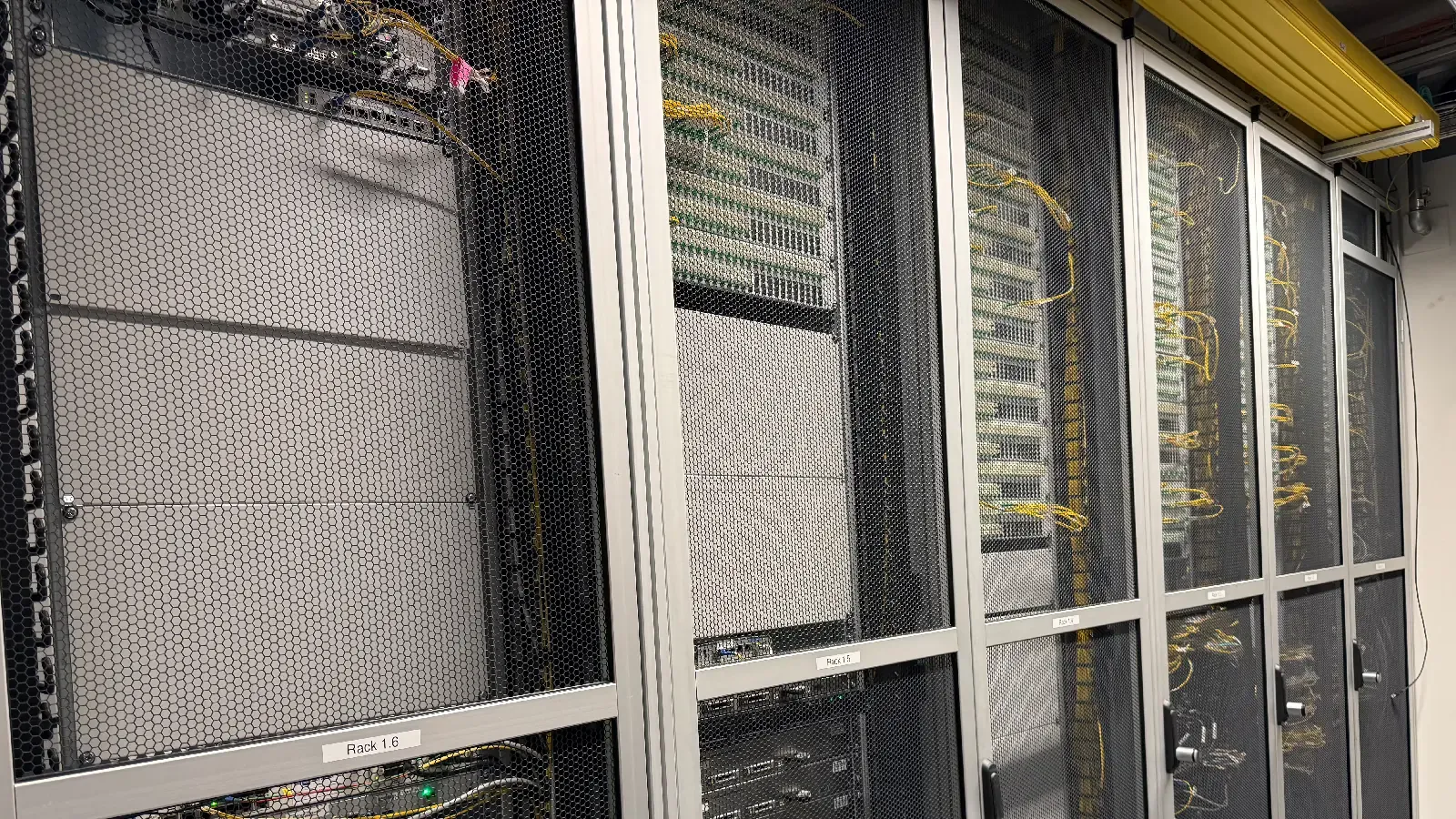
A reliable IoT solution requires stable data transmission. This includes networks, secure connections, hosting or data center structures, and the technical basis for platform operations. Without this foundation, IoT cannot be operated on a lasting, scalable basis.
Security and compliance
In IoT, security is not an add-on but a prerequisite. It concerns end devices, communication paths, access rights, platforms, and operational processes. An IoT System House also takes regulatory requirements into account, for example from NIS2, KRITIS, or ISO/IEC 27001.
Operations and managed services
Many companies want to use IoT not as a one-off project, but as an ongoing service. In this case, the systems integrator takes over operations, monitoring, maintenance, and further development. This model is then often described as IoT as a Service or Managed IoT Services.
What benefits an IoT System House offers
Working with an IoT System House creates added value above all where projects are complex, security-critical, or relevant to scaling.
One point of contact instead of many individual partners
Instead of coordinating sensors, network, platform, security, and operations separately, companies receive an integrated service from a single source. This reduces friction and simplifies management.
Lower project risk
An experienced partner knows the typical sources of error in industrial IoT projects. These include unclear requirements, interface problems, missing operating concepts, or security gaps. A systemic approach makes it possible to identify and reduce these risks earlier.
Greater scalability
Individual projects are often difficult to transfer to additional plants, assets, or sites. An IoT System House develops solutions in such a way that they can be scaled. This is especially relevant when companies are planning multiple sites or recurring use cases.
Predictable costs and operational reliability
In the service model, predictable ongoing costs replace one-off investments. At the same time, responsibilities are defined more clearly. This makes budgeting, operations, and continuous optimization easier.
Who an IoT System House is especially relevant for
An IoT System House addresses not only IT or OT, but in particular the business side of the company.
For CIOs and IT management
CIOs are looking for solutions that can be securely integrated into the existing system landscape. For them, governance, security, standardization, and scalability are the priorities.
For COOs, production, and plant management
Operations leaders above all need measurable benefits in day-to-day operations. They focus on availability, transparency, efficiency, and the least possible interference with ongoing processes.
For business units and maintenance
Business units want solutions that work in everyday use and reduce workload. What matters is ease of use, traceable data, reliable support, and ideally the ability to predict necessary maintenance measures.
For CEOs and executive management
At the leadership level, the focus is on future viability, competitiveness, and site stability. Here, IoT is seen primarily as a lever for efficiency, resilience, and digital development.
When an IoT System House is the right choice
An IoT System House makes particular sense when:
- multiple systems have to be integrated,
- security and compliance impose high requirements,
- a project is to be operated on a lasting basis,
- multiple sites are involved,
- internal resources for setup and operation are limited,
- or IoT is conceived as a strategic operating model.
In such situations, a partner with end-to-end responsibility is often more useful than a multitude of individual specialist providers.
Conclusion
An IoT System House is a specialized partner for industrial digitalization. It combines strategy, technology, security, and operations into an integrated model. The added value arises above all where IoT is understood not as a one-off project, but as a lasting operating and value creation system.
Anyone looking to build Industrial IoT sustainably needs not just technologies, but a clear architecture and a dependable partner for implementation and operations.
Next steps and further reading
This article shows what an IoT System House does in principle. Topics that explore this further include:
- IoT as a Service in an industrial environment.
- IT infrastructure for Industrial IoT.
- Security by design at the IoT System House.
- Regulated connectivity and provider status in IoT.
- Data centers for industrial IoT solutions.
- NIS2, KRITIS, and ISO/IEC 27001 in IoT operations.
- Predictive maintenance and energy monitoring with IoT.