Why environmental monitoring is more than data acquisition
In industry, environmental monitoring is not just a question of measured values, but of robust processes. Companies have to capture, document, and evaluate environmental information in a way that produces reliable records and actionable structures.
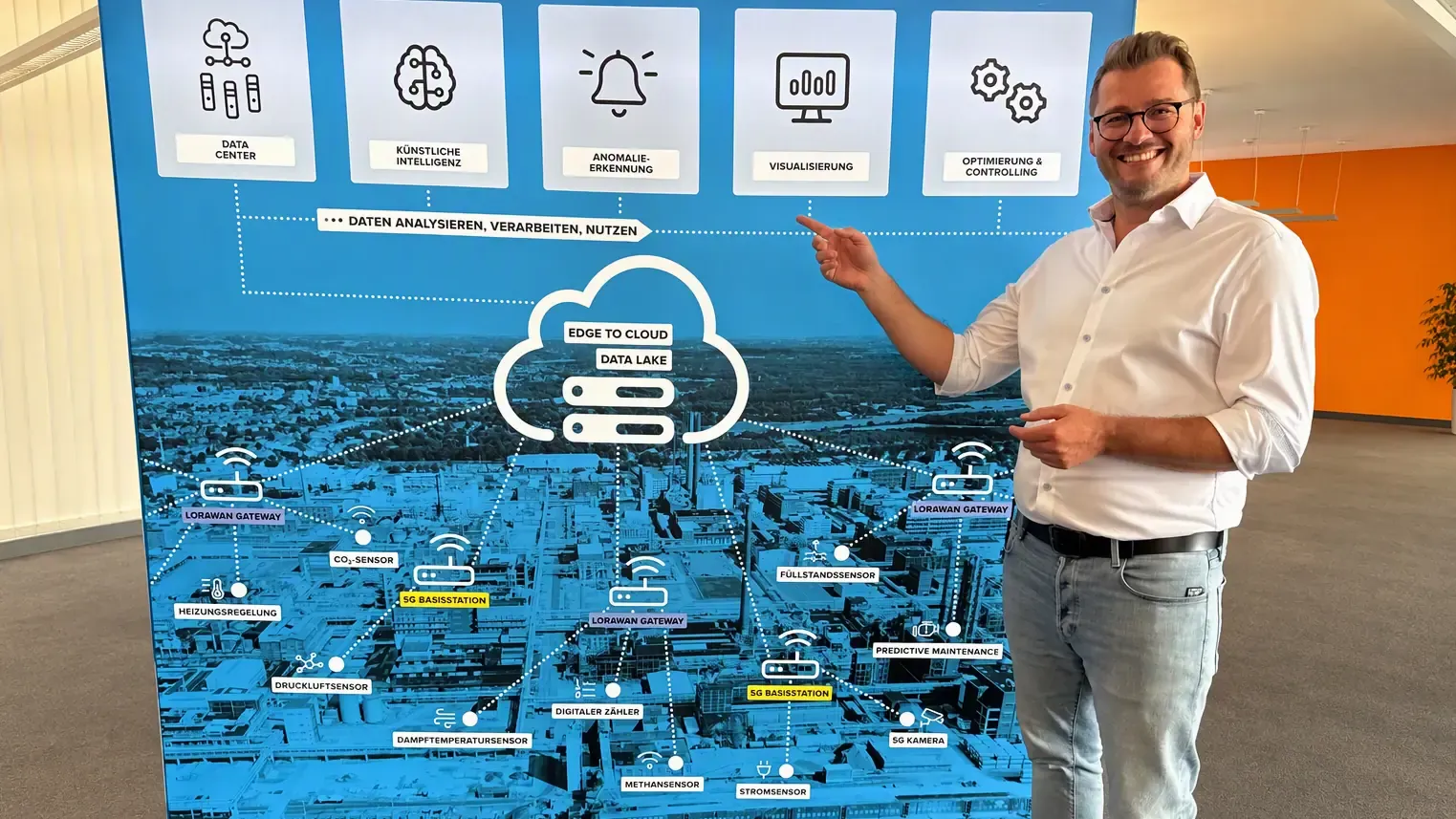
IoT-based environmental monitoring supports exactly this requirement. It combines sensors, data transmission, and digital analysis into an end-to-end process that creates transparency and simplifies documentation.
The role IoT plays
In industrial environments, environmental information is generated at many points simultaneously. This includes air values, water parameters, emissions, process conditions, or safety-relevant measured variables. Without digital connectivity, this data often remains fragmented, manual, or available only at isolated points.
IoT solutions enable continuous acquisition and structured provisioning of this information. As a result, data can not only be displayed but also used systematically for operations, environmental management, and reporting.
Typical fields of application
IoT-based environmental monitoring becomes relevant in industry above all where several requirements come together: regulatory requirements, a high need for documentation, and the desire for greater transparency in operations.
Typical fields of application are:
- Air quality measurement.
- Water quality monitoring.
- Emission and ambient air quality control.
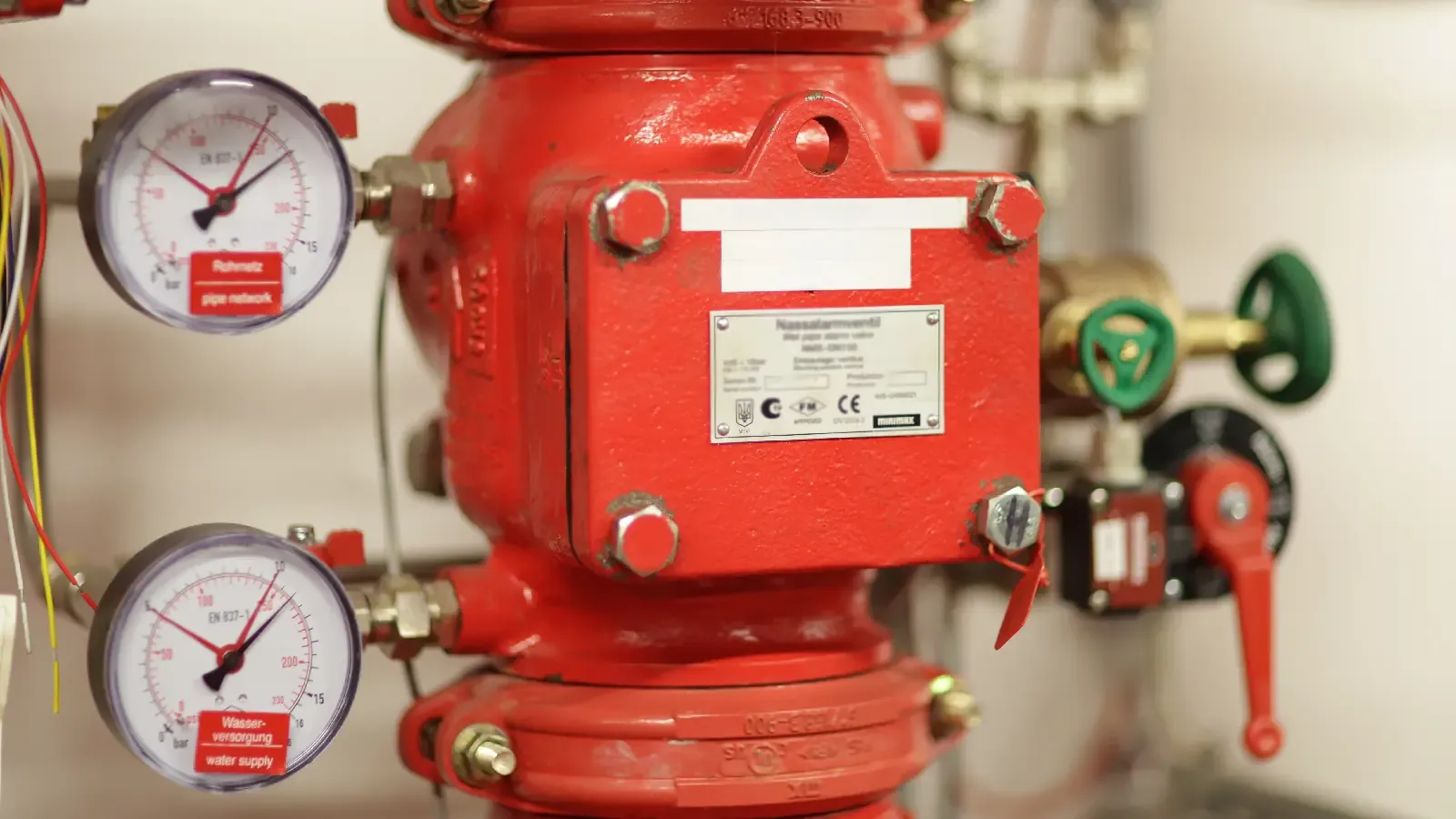
- Safety-relevant environmental parameters.
- Process-level environmental measurement in production environments.
What these fields of application have in common is that they do not just supply measured values, but form the basis for records, assessments, and responses.
Why transparency is a key benefit
A major advantage of IoT in environmental monitoring lies in improved transparency. When data is captured automatically and made available centrally, manual effort decreases. At the same time, the quality of the information base increases.
This is especially important when environmental values have to be checked, documented, or shared internally on a regular basis. A digital structure reduces media discontinuities and facilitates collaboration between operations, environmental management, and other specialist departments.
Where retrofit and brownfield come in
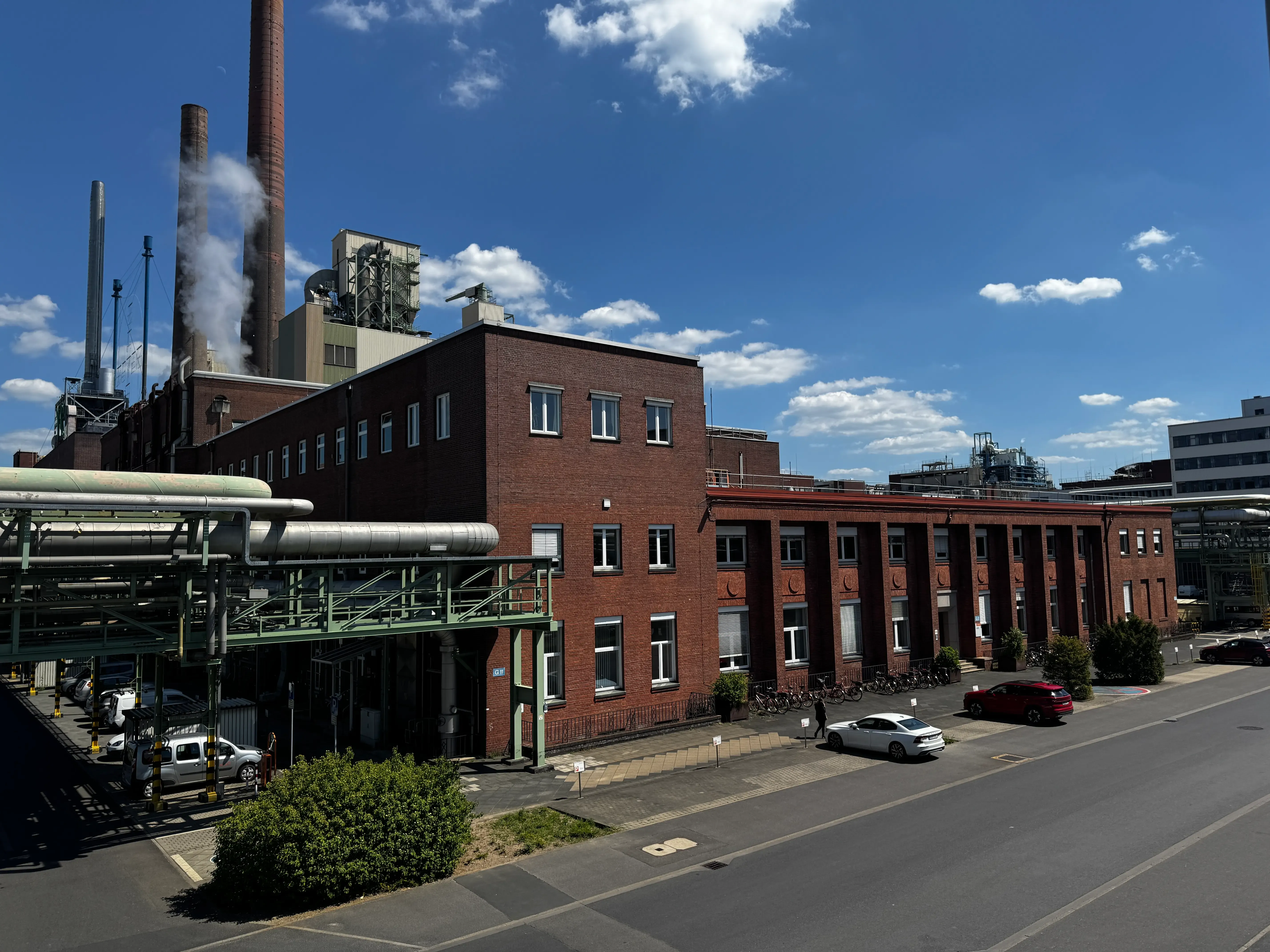
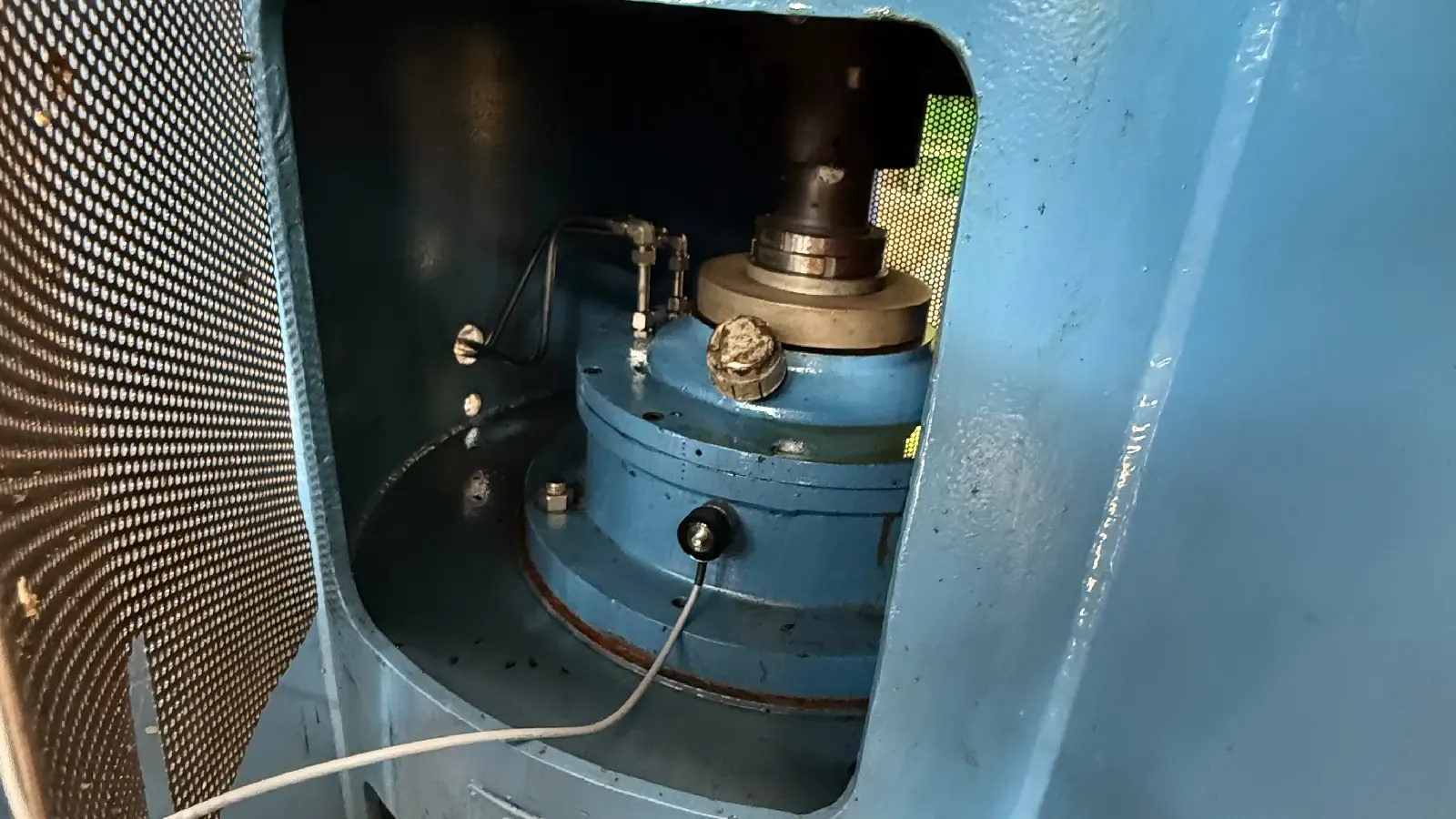
In existing industrial plants in particular, environmental monitoring with IoT is often a brownfield topic. Existing infrastructures can be expanded step by step without fundamentally changing ongoing operations.
Incremental rollouts are especially well suited to such scenarios. A clearly defined use case delivers initial data, builds experience, and subsequently enables the transfer to further areas or sites.
Conclusion
IoT does not just make environmental monitoring more digital, it makes it more robust above all. It gives companies the ability to capture environmental information continuously, document it in a traceable way, and make it usable for both operational and regulatory requirements.
This turns isolated measurement into a structured process. That is precisely where the key benefit of IoT in industrial environmental monitoring lies.