Why Vibration Sensing Is Important in Industrial Operations
Vibration sensing is a key component of condition monitoring for machines and systems. It provides early indications of changes in operating behavior before they lead to a failure. In this way, it helps maintenance and operations teams plan maintenance measures earlier, more precisely, and more cost-effectively.
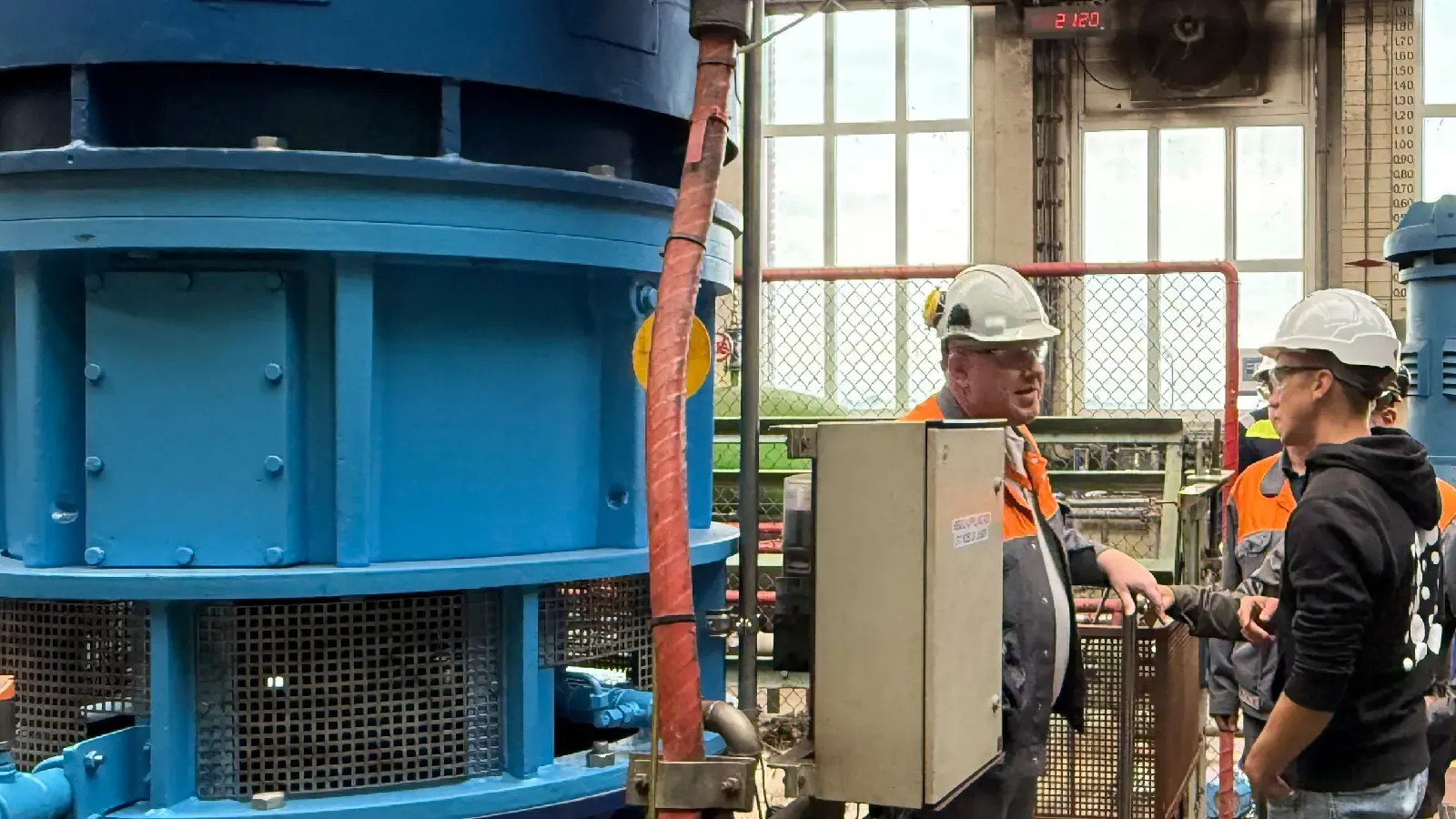
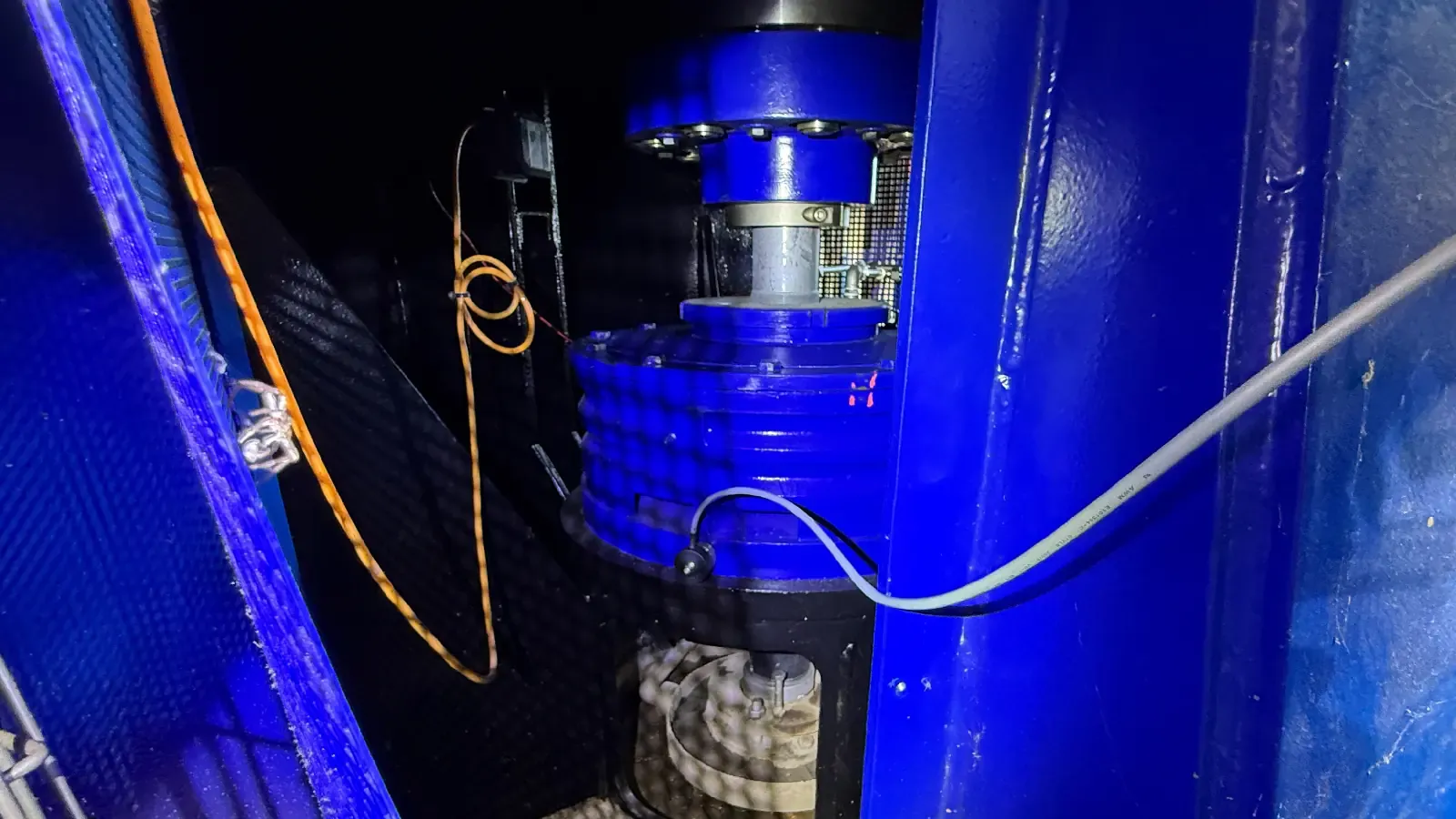
Vibration sensing is particularly relevant for rotating machinery such as pumps, motors, or fans. In these applications, deviations in operating behavior can often be detected early and translated into concrete actions.
From Measurement Values to Maintenance Decisions
The true benefit of vibration sensor technology lies not merely in the collection of data, but in its interpretation. A measurement value only becomes operationally relevant when it leads to a decision.
Typical questions include:
- Is the deviation critical?
- Does it require an immediate response?
- Can the corrective action be planned?
- Which piece of equipment has priority?
- How can the procedure be applied to other machines?
This is precisely where vibration sensor technology links technical condition data with operational maintenance decisions.
What benefits does this provide?
When vibration data is used systematically, it offers several operational benefits:
- Early detection of anomalies.
- Improved planning of maintenance tasks.
- Reduction in unplanned downtime.
- More targeted use of resources.
- Higher plant availability.
This makes maintenance less reactive and more proactively organized. The focus shifts from troubleshooting to planned intervention.
Vibration Sensing in the Context of Predictive Maintenance
Vibration sensing is a typical application within predictive maintenance. It provides a basis for assessing machine conditions and, thus, for predictive maintenance concepts.
When combined with other data sources, this can provide a robust picture of the plant’s condition. This allows for more than just a single measurement point to be considered; it fosters a better understanding of developments over time.
Role in the Topic Cluster
This article supplements the existing content on Predictive Maintenance with Vibration Sensing and Condition Monitoring with IoT to provide a clearer decision-making perspective. While one article describes the broader benefits of predictive maintenance and the other contextualizes continuous condition monitoring, this text focuses on the question of how machine data translates into concrete maintenance decisions.
This clearly defines the article’s scope within the cluster: It explains the relationship between measurement, evaluation, and response in the maintenance process.
Application to Existing Facilities
Vibration sensor technology plays a particularly important role in brownfield applications because it can often be adapted to existing machines. This allows existing facilities to be gradually transitioned to a data-driven maintenance approach without fundamentally altering ongoing operations.
This makes their use attractive from both a technical and economic perspective. Vibration sensor technology offers direct added value, especially in areas where availability, responsiveness, and predictability are critical.
Conclusion
Vibration sensor technology is more than just a technical measurement method. It supports the transition from reactive to predictive maintenance by translating condition data into reliable maintenance decisions.
This makes it a key component of industrial IoT solutions that not only collect data but also generate operational impact.